

Medical description
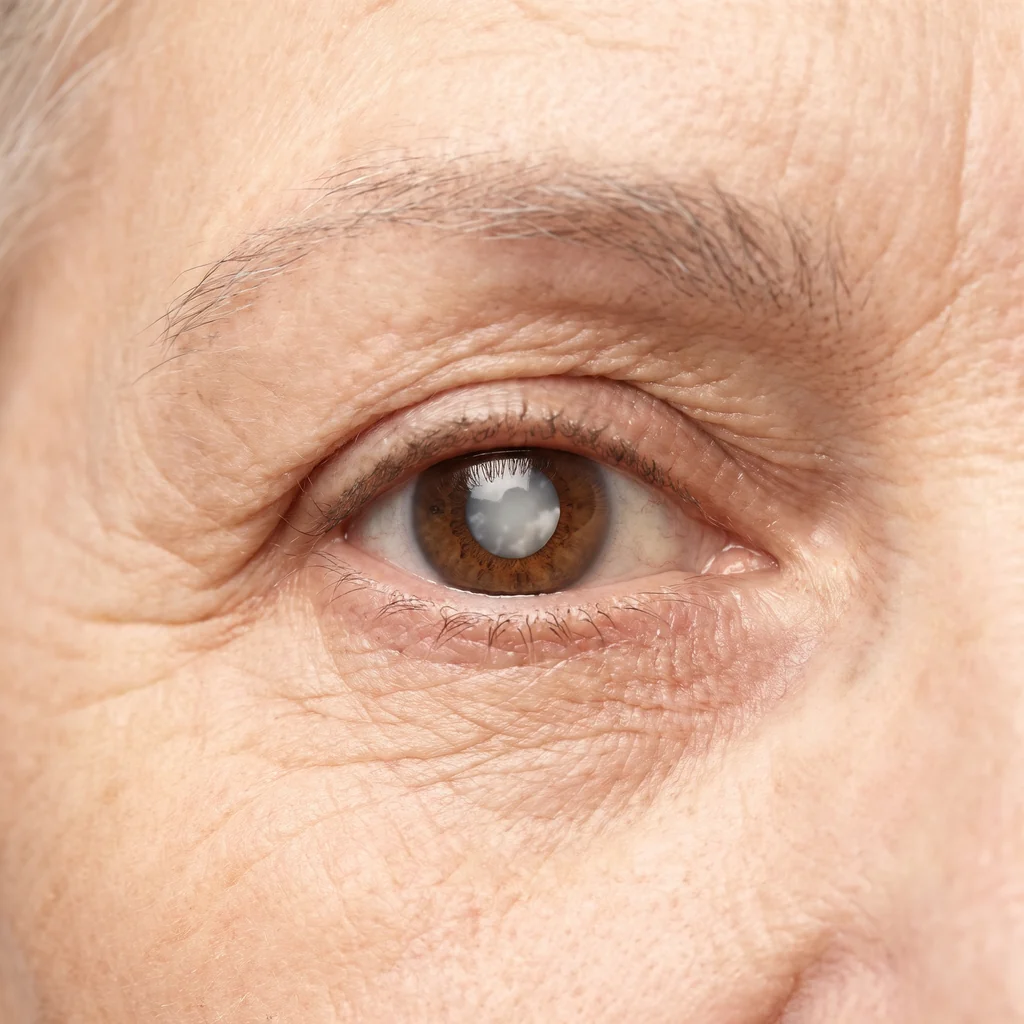
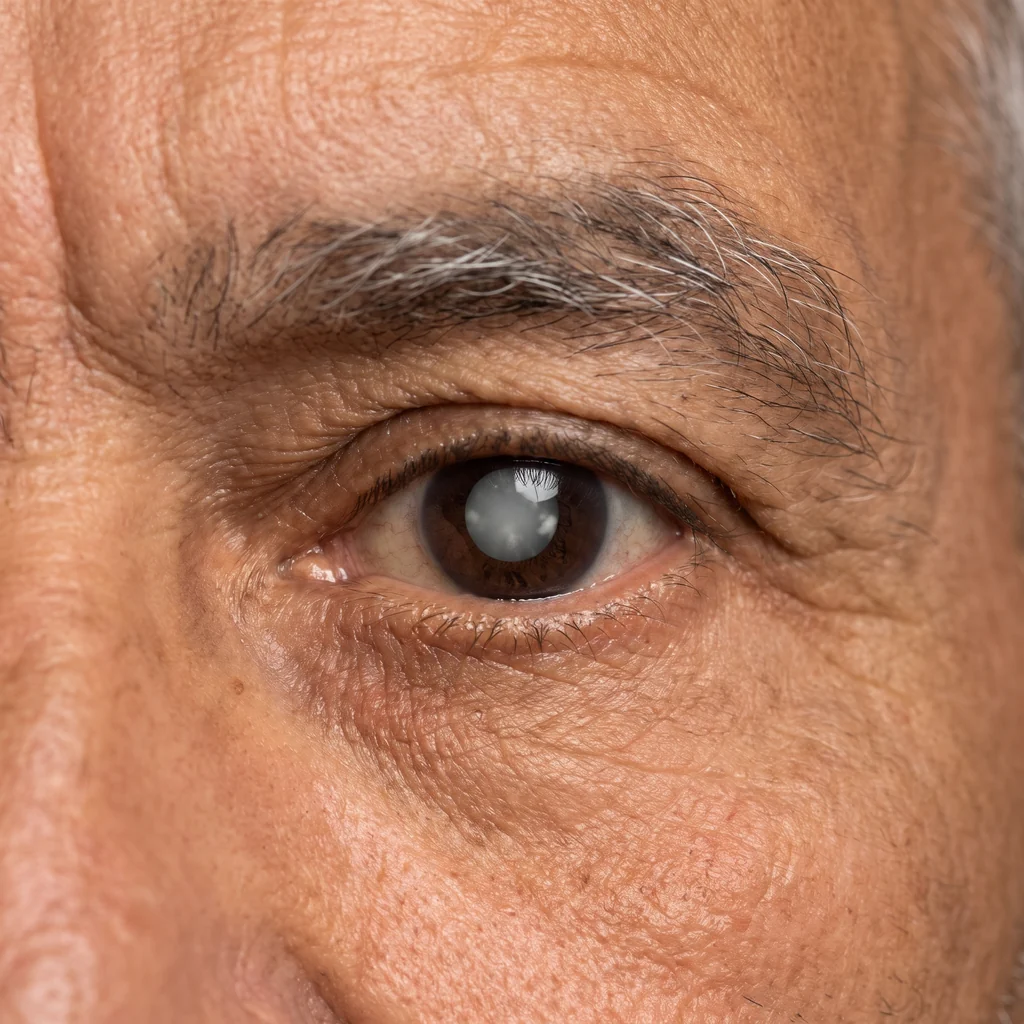
A cataract is the gradual clouding of the lens, the natural lens located inside the eye. It causes blurred or hazy vision, sensitivity to light, poorer night vision and dull colours. The only solution is surgical: the cloudy lens is removed and replaced by a clear artificial implant, placed permanently in the eye. Depending on the implant chosen, the procedure can also correct short-sightedness, long-sightedness, astigmatism or, with certain implants, presbyopia.
What the procedure can correct
- Blurred or hazy vision
- Glare and sensitivity to light
- Poorer vision at night
- Dull or yellowed colours
- Frequent changes in glasses prescription
The ideal candidate
A person whose cataract affects their vision in daily life, confirmed by an eye examination. A full assessment, with measurements of the eye to calculate the power of the implant, is essential before the procedure. General health and other eye conditions, such as glaucoma or a retinal disease, are taken into account when choosing the implant and the timing of surgery.
The technique
The procedure is carried out as day surgery, most often under anaesthetic eye drops, sometimes supplemented by light sedation, and takes around twenty minutes. Through a micro-incision, the ophthalmologist breaks up the lens using ultrasound (phacoemulsification), suctions it out, then inserts the folded implant, which unfolds inside the eye. The two eyes are generally operated on a few days apart.
Your stay, step by step
- 1
Arrival and consultation
Welcome by your coordinator, examination and pre-operative consultation with the practitioner, who confirms the treatment plan.
- 2
Procedure
Local · 15–30 min
- 3
Back to the hotel
Day-case treatment: you return to your hotel the same day, accompanied.
- 4
Check-up before departure
Follow-up visit, care, instructions and prescription before your flight home. Recommended stay: 4–7 days.
- 5
Remote follow-up
Back home, your coordinator remains your contact and organises follow-up with the practitioner (photos and messages via WhatsApp, then through your secure patient area once it opens).
Risks and recovery
A feeling of discomfort, a red eye and still-blurred vision are common in the first few days. Less commonly, inflammation, increased pressure in the eye, infection, swelling of the cornea or retina, or retinal detachment may occur. Secondary clouding of the capsule may appear later and is easily treated by laser. Your ophthalmologist will explain these in detail during the consultation.
The information on this page is provided for guidance only and does not replace a medical consultation. Every procedure carries risks; the indication is made by the practitioner after examination, and results vary from person to person.
Frequently asked questions
Are both eyes operated on the same day?
Generally not: the second eye is operated on a few days after the first, once the first check-up has been carried out. Your ophthalmologist adapts the schedule to your stay.
Will I still need glasses?
That depends on the implant chosen. A standard implant corrects distance vision, and reading glasses are often still needed; certain implants also correct near vision.
What precautions should I take after the procedure?
You need to use the prescribed eye drops, avoid rubbing your eye, wear an eye shield at night for the first few days and avoid swimming pools and dust for a few weeks.
