Medical description
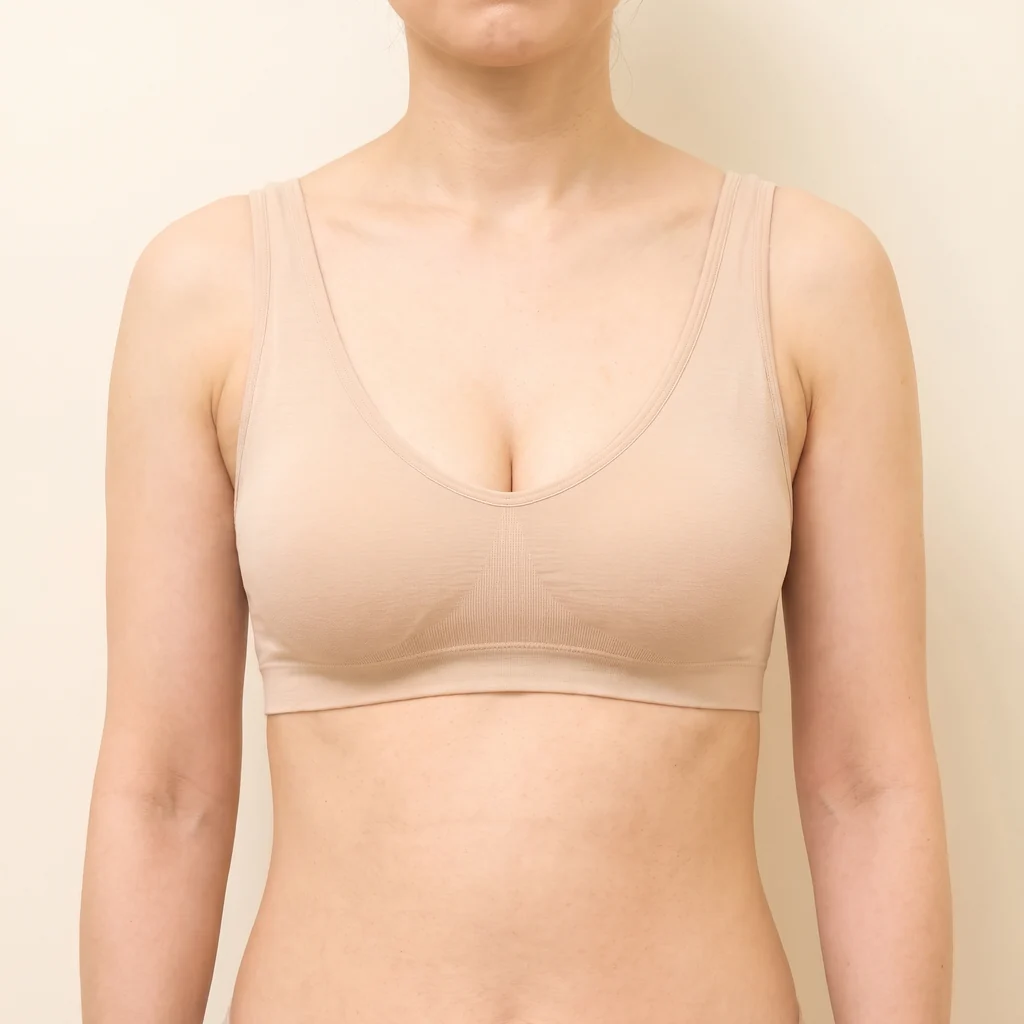
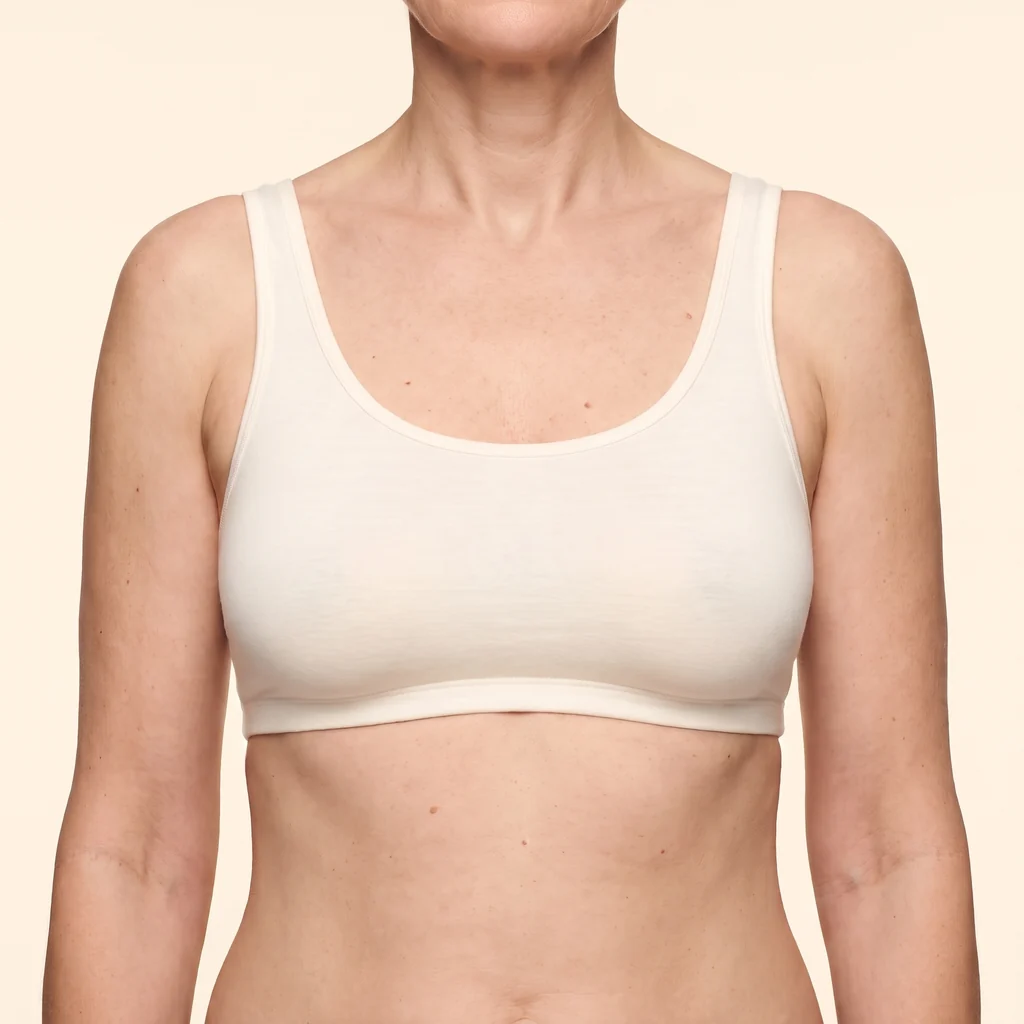
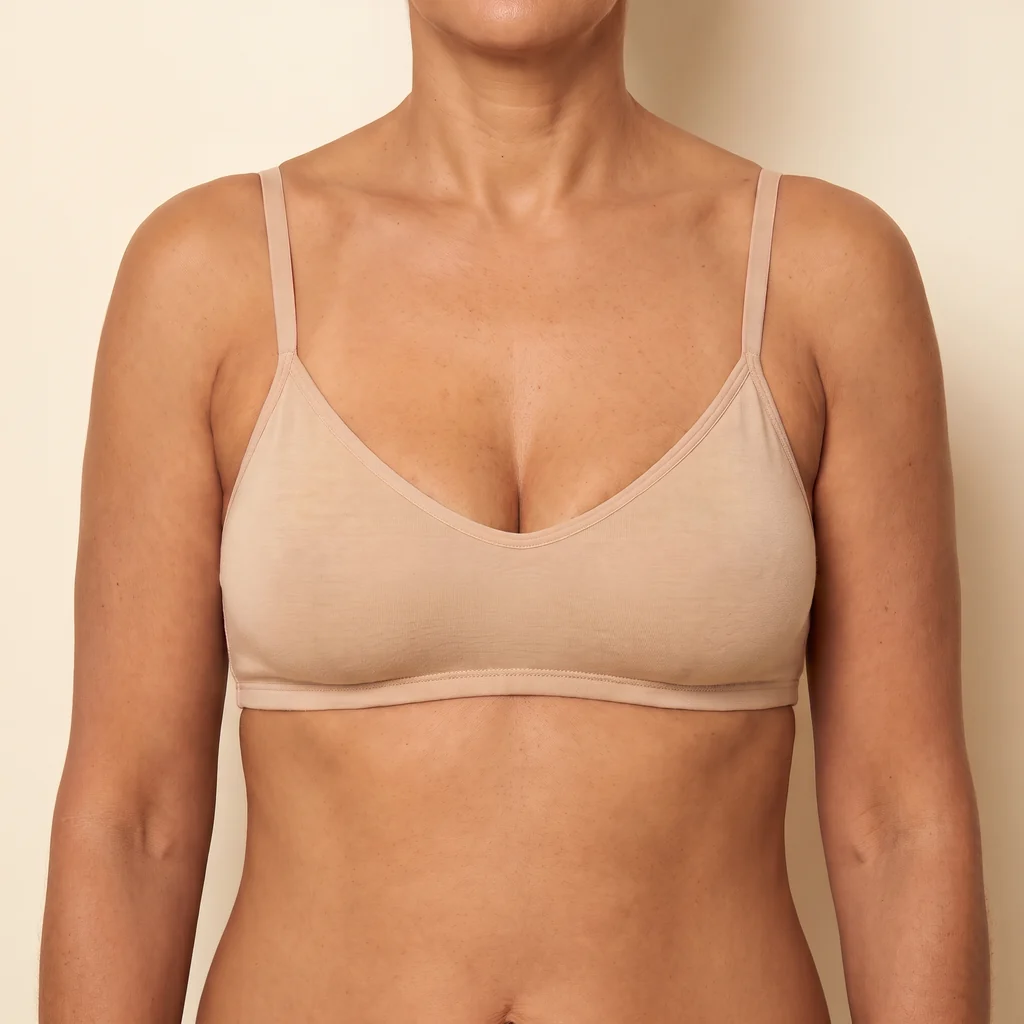
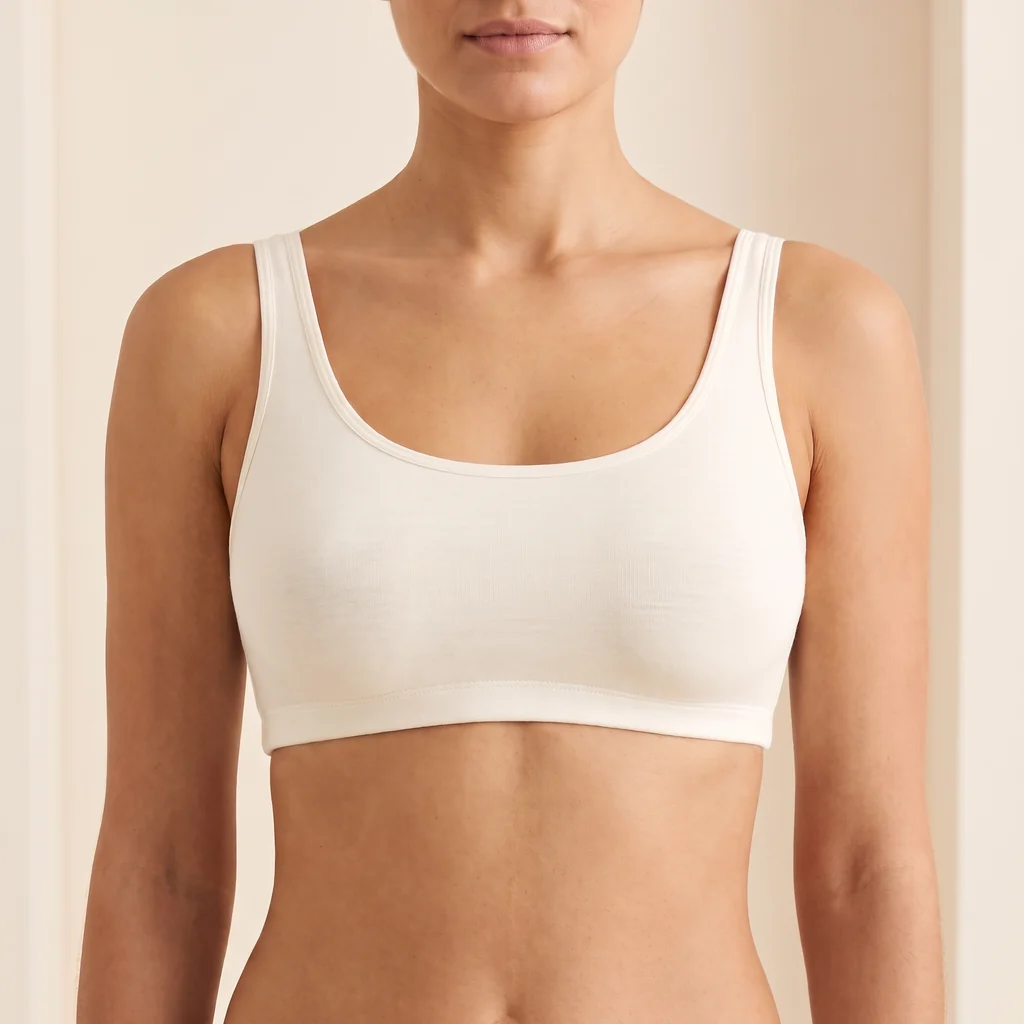
Breast augmentation with implants, or augmentation mammaplasty, involves placing an implant behind the breast gland or behind the pectoralis major muscle to increase breast volume. It is intended for women whose breasts are naturally considered too small, or whose volume has decreased after pregnancy, breastfeeding or weight loss. The volume, shape of the implant (round or anatomical), its projection and position are determined during the consultation from precise measurements of the chest and the thickness of the tissues. The aim is a result in proportion to your figure. Implants are not lifetime devices: regular monitoring is recommended and replacement may become necessary over the years.
What the procedure can correct
- Naturally underdeveloped breasts
- Loss of volume after pregnancy or breastfeeding
- Breast deflation after weight loss
- Asymmetry in volume between the two breasts
- Disproportion between the bust and the hips
The ideal candidate
An adult woman in good health, at a stable weight, whose skin and breast tissue provide sufficient coverage for the implant and who does not have significant sagging. Expectations should be realistic, and a recent breast assessment (ultrasound, or mammogram depending on age) is required. The procedure is postponed during pregnancy or breastfeeding, and stopping smoking is strongly advised.
The technique
The procedure is performed under general anaesthesia. The implant is inserted through a short incision, most often in the crease beneath the breast, sometimes around the areola or in the armpit, then placed in front of the muscle, behind the muscle or in a combined position known as dual plane, depending on the thickness of the tissues. The surgeon creates a custom pocket, checks symmetry in a sitting position, then closes in several layers. A dressing and a support bra are put in place for several weeks.
Your stay, step by step
- 1
Arrival and consultation
Welcome by your coordinator, examination and pre-operative consultation with the practitioner, who confirms the treatment plan.
- 2
Procedure
General · 1–2 h
- 3
Monitoring in the clinic
Hospital stay: 1 night. The care team looks after your comfort and post-operative monitoring.
- 4
Check-up before departure
Follow-up visit, care, instructions and prescription before your flight home. Recommended stay: 6–7 days.
- 5
Remote follow-up
Back home, you send your photos and stay in touch with the practitioner through your patient area, for up to 12 months.
Risks and recovery
The usual after-effects include a feeling of tightness in the chest, moderate pain relieved by painkillers, swelling and sometimes bruising. Possible complications are haematoma, infection, capsular contracture, rupture or displacement of the implant, changes in nipple sensation, scars of variable quality and, very rarely, implant-associated lymphoma. Your surgeon will explain these in detail during the consultation.
The information on this page is provided for guidance only and does not replace a medical consultation. Every procedure carries risks; the indication is made by the practitioner after examination, and results vary from person to person.
Frequently asked questions
Will I be able to breastfeed after a breast augmentation?
In most cases, breastfeeding remains possible, particularly when the implant is inserted through the crease beneath the breast, as the gland is not cut. Your surgeon will discuss this with you according to the chosen approach.
Do implants need to be changed after a certain time?
Implants are not designed to last a lifetime. Regular clinical and imaging follow-up makes it possible to check their condition, and replacement is considered in the event of a complication or change in the breasts.
When will I be able to return to sport?
Gentle activities are resumed gradually, but sports that work the chest muscles or arms are generally postponed for around six weeks. Your surgeon will adapt this timescale to the position of the implant.