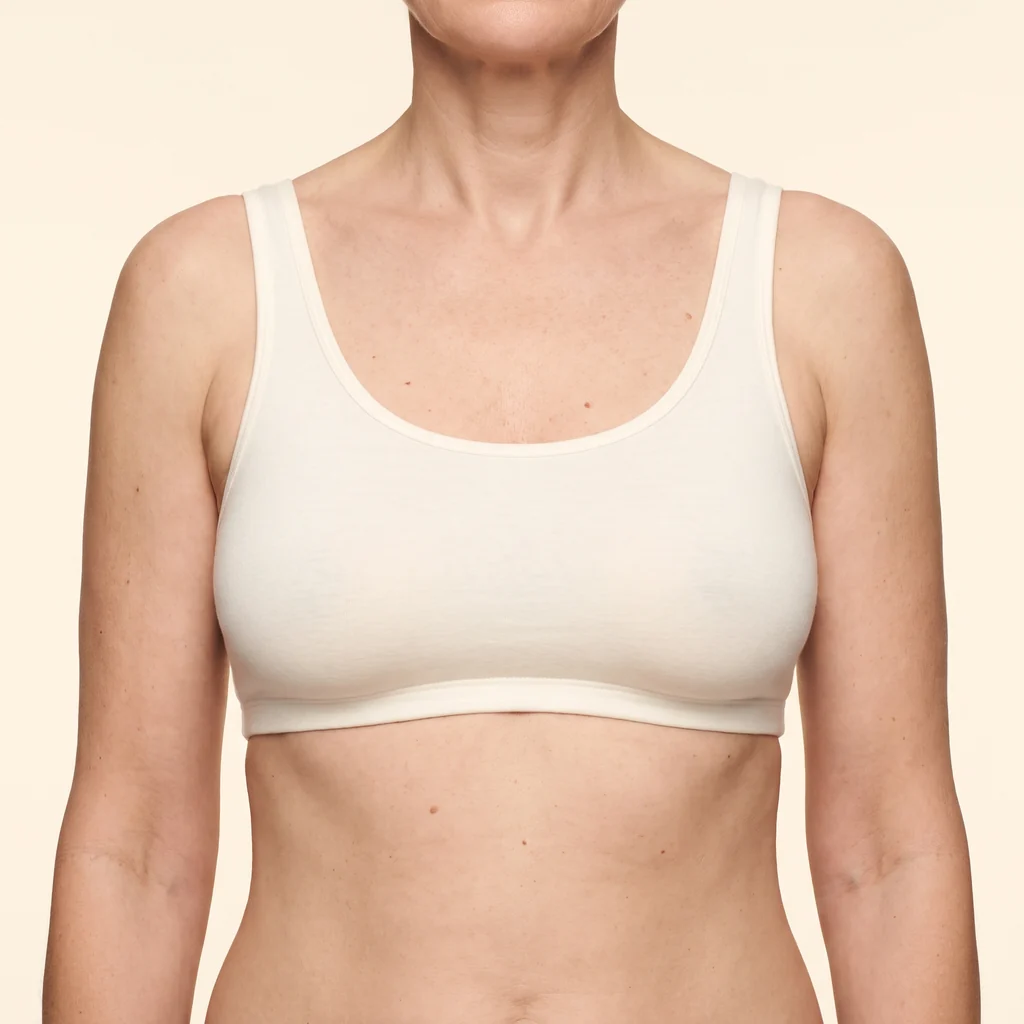
Medical description
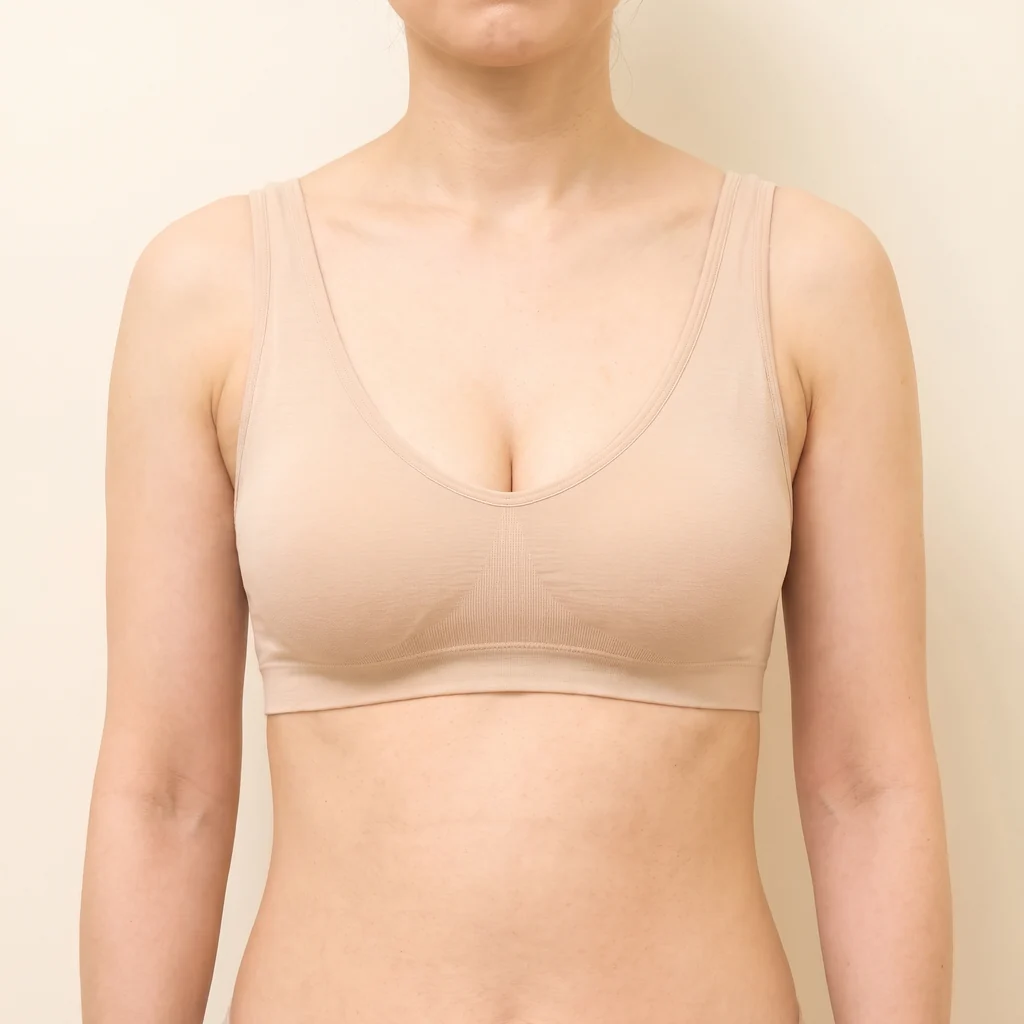
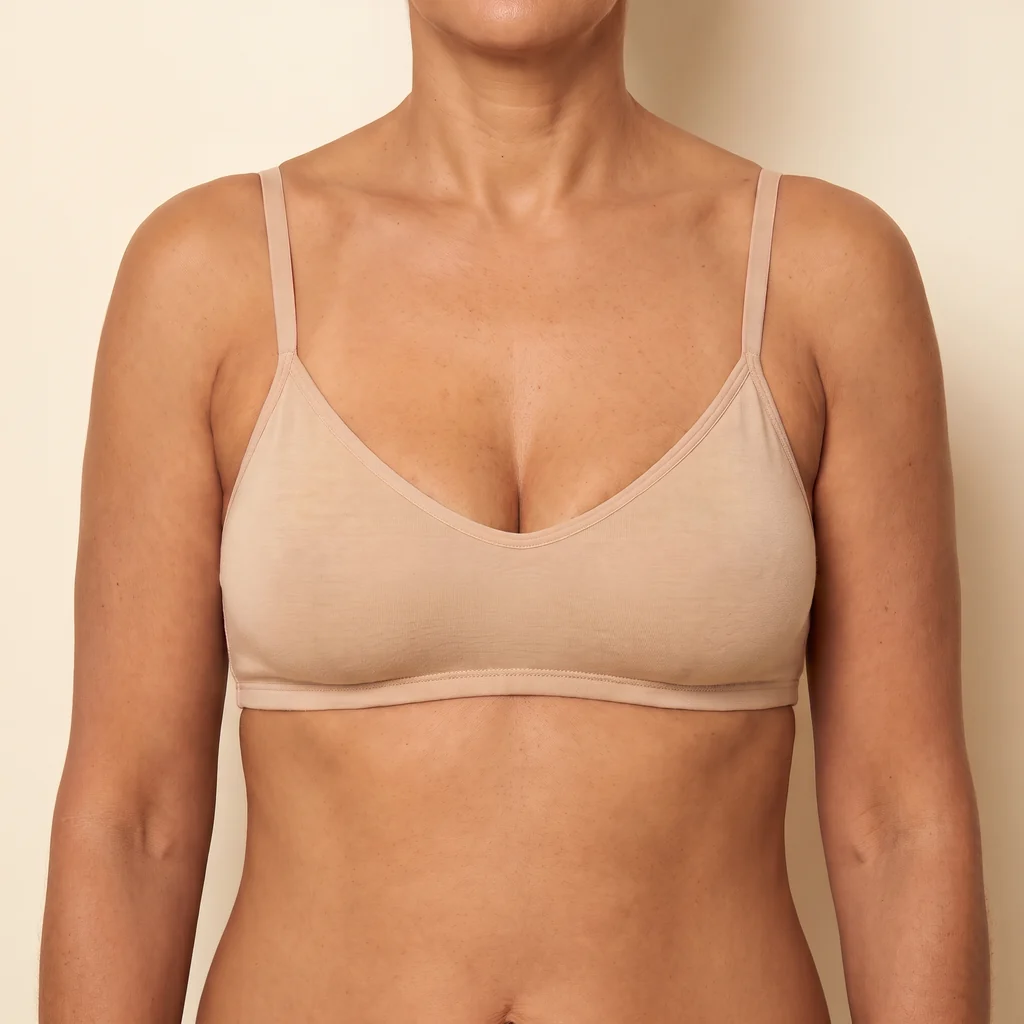
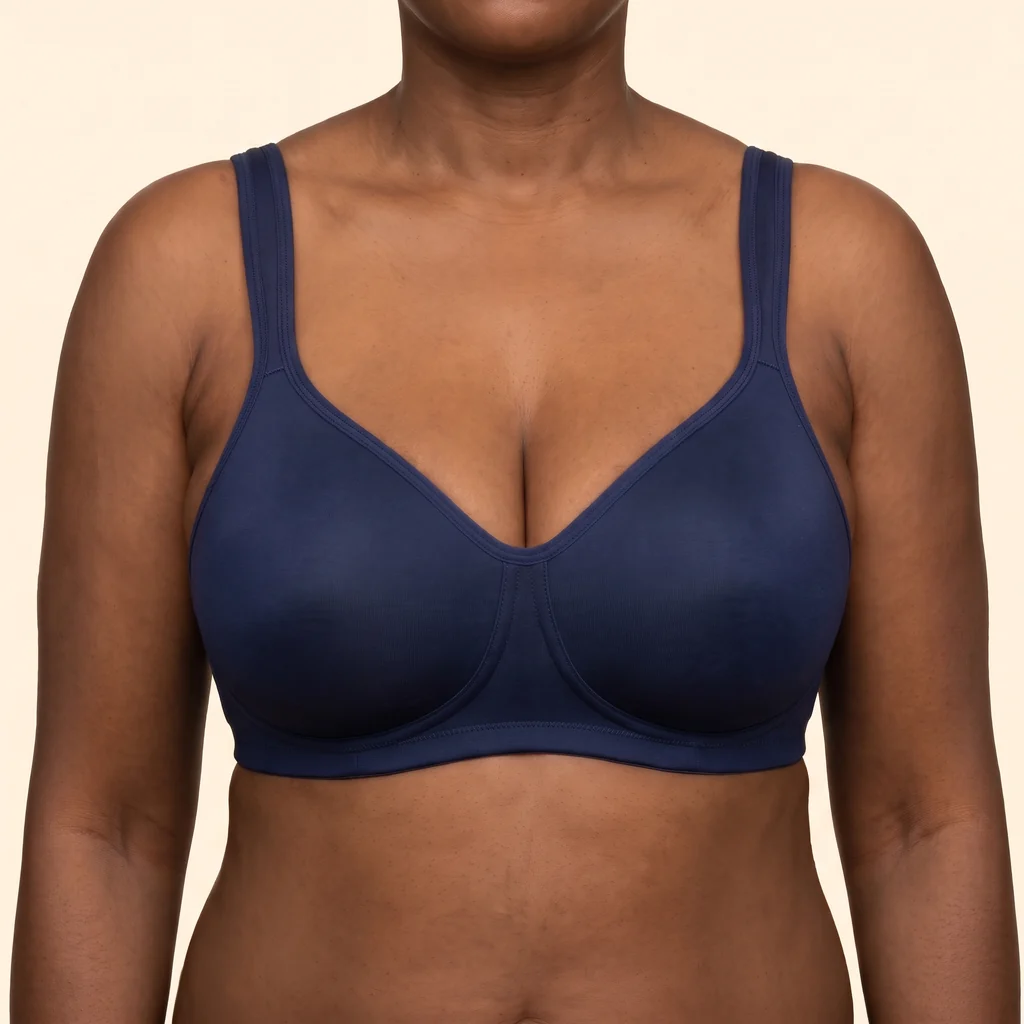
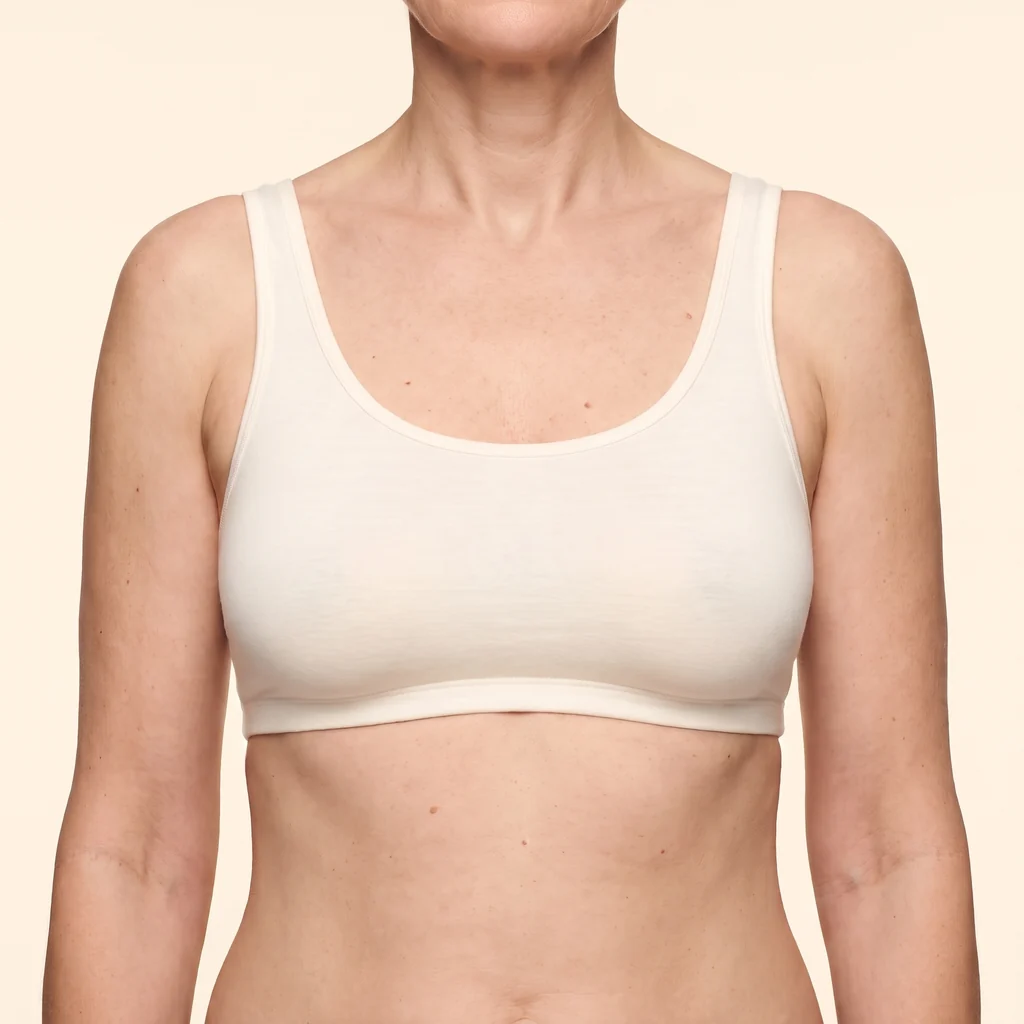
Mastopexy, or breast lift, corrects breast ptosis, that is, sagging of the breasts. It involves removing excess skin, reshaping and lifting the breast tissue, then repositioning the areola and nipple higher, possibly reducing the diameter of the areola. It does not significantly change the volume: it restores a rounder shape and better firmness. Sagging often appears after pregnancy, breastfeeding, significant weight loss or with age, when the skin loses its elasticity. The technique and the length of the scars depend on the degree of sagging, assessed by the surgeon during the examination. If an increase in volume is also desired, a breast lift with implants may be considered.
What the procedure can correct
- Sagging breasts after pregnancy or breastfeeding
- Drooping breasts after weight loss
- Areolas positioned too low or too wide
- Loss of fullness in the upper breast
- Asymmetry in position between the two breasts
The ideal candidate
A woman who is happy with her breast volume but would like higher, firmer breasts, at a stable weight and with no plans for pregnancy in the near future. Smoking must be stopped before and after the procedure, as it increases the risk of healing problems. A recent breast assessment is required.
The technique
The procedure is performed under general anaesthesia. Depending on the degree of sagging, the scar is around the areola only, around the areola and vertical (lollipop-shaped), or an inverted T with an additional line in the crease beneath the breast. The surgeon reshapes the breast tissue to lift it, repositions the areola, removes the excess skin and sutures in several layers. A dressing is applied, then a support bra is worn day and night for several weeks.
Your stay, step by step
- 1
Arrival and consultation
Welcome by your coordinator, examination and pre-operative consultation with the practitioner, who confirms the treatment plan.
- 2
Procedure
General · 2–3 h
- 3
Monitoring in the clinic
Hospital stay: 1 night. The care team looks after your comfort and post-operative monitoring.
- 4
Check-up before departure
Follow-up visit, care, instructions and prescription before your flight home. Recommended stay: 7–8 days.
- 5
Remote follow-up
Back home, you send your photos and stay in touch with the practitioner through your patient area, for up to 12 months.
Risks and recovery
The usual after-effects include swelling, bruising, a feeling of tightness and moderate pain. Possible complications are haematoma, infection, delayed healing where the scars meet, compromised blood supply to the areola, changes in sensation, asymmetry, widened or hypertrophic scars and partial recurrence of sagging over time. Your surgeon will explain these in detail during the consultation.
The information on this page is provided for guidance only and does not replace a medical consultation. Every procedure carries risks; the indication is made by the practitioner after examination, and results vary from person to person.
Frequently asked questions
Will the scars be visible?
The scars are permanent but generally fade gradually over one to two years. They are placed so as to be covered by a bra or swimsuit.
Does the result last over time?
The result is long-lasting, but the breasts continue to age naturally. A pregnancy or significant changes in weight may cause renewed sagging.
Will I be able to breastfeed after a breast lift?
As the areola generally remains attached to the breast tissue, breastfeeding is often possible, though not guaranteed. It is preferable to have the procedure once you have completed your family.