Medical description
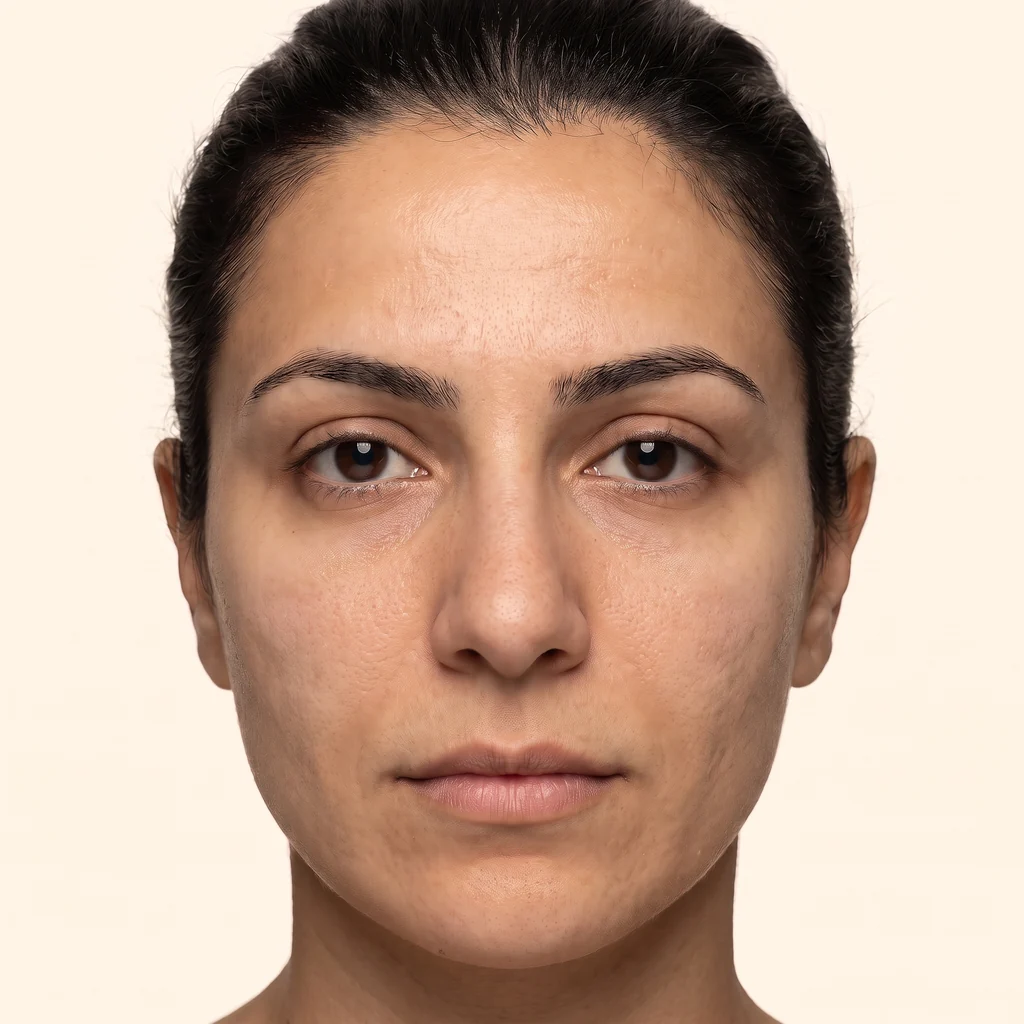
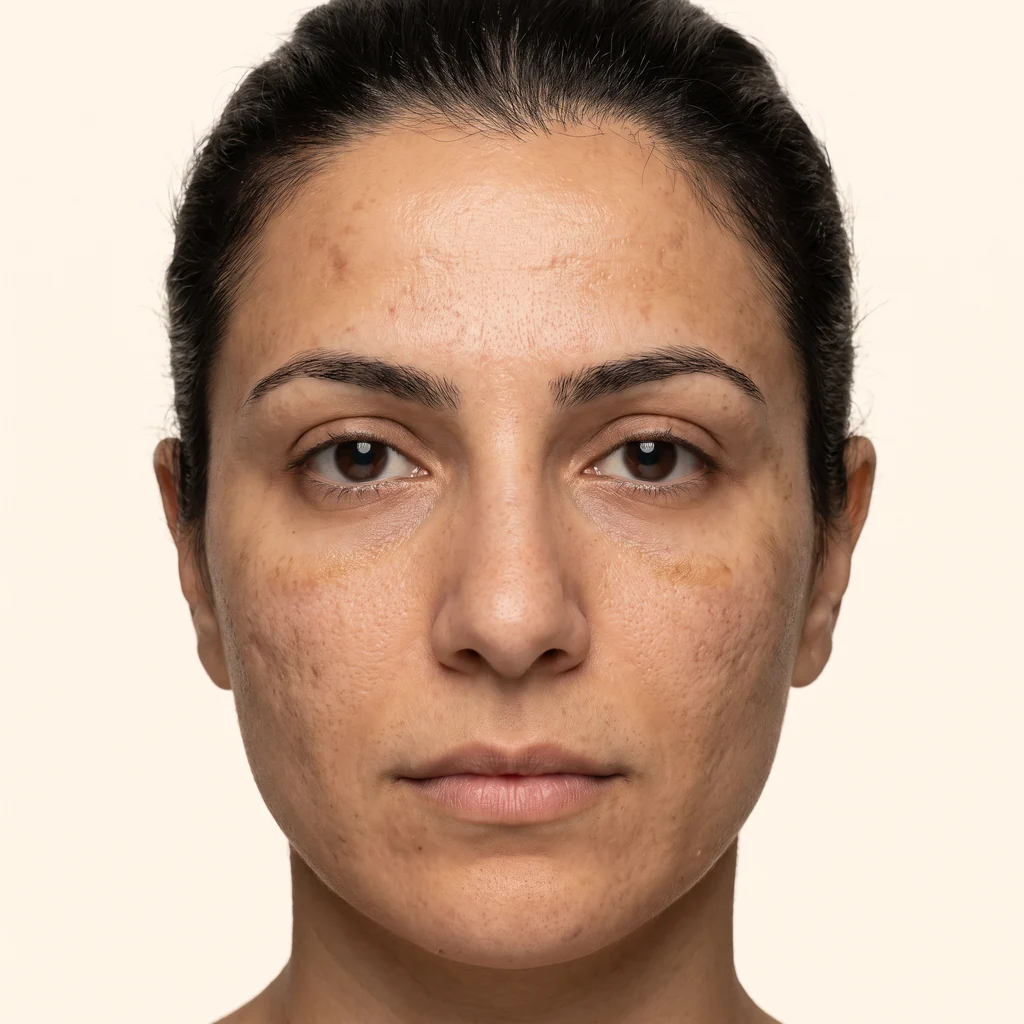
A chemical peel involves applying an acid solution to the skin that causes controlled exfoliation of its superficial layers, followed by cell renewal. There are superficial peels, based on fruit acids or salicylic acid, which act on the epidermis with a light recovery, and medium-depth peels, most often using trichloroacetic acid (TCA), which reach the superficial dermis and cause more marked peeling. The choice of acid, its concentration and the number of layers depend on the indication and skin type. The peel aims to improve radiance, pigmentation spots, fine lines and certain acne scars. Unlike laser, it acts chemically over the entire treated surface.
What the procedure can correct
- Dull, uneven complexion
- Pigmentation spots and melasma
- Fine lines and thickened skin texture
- Enlarged pores and acne-prone skin
- Superficial acne scars
The ideal candidate
A peel is suitable for adults who wish to improve the quality of their skin and are prepared to follow strict sun protection. Olive or dark skin carries a higher risk of pigmentation spots and requires a cautious choice of product; it is not advised during pregnancy, in the event of active cold sores, skin lesions in the area or recent isotretinoin treatment. The doctor confirms the indication after examination and assessment of your skin phototype.
The technique
Skin preparation with suitable skincare is often prescribed a few weeks before the session. On the day, the skin is cleansed and degreased, then the solution is applied with a brush or gauze for a controlled time, before being neutralised or rinsed off depending on the product. No anaesthesia is needed, as a feeling of warmth or tingling is usual. A soothing cream and sunscreen are then applied.
Your stay, step by step
- 1
Arrival and consultation
Welcome by your coordinator, examination and pre-operative consultation with the practitioner, who confirms the treatment plan.
- 2
Procedure
None · 0.5–1 h
- 3
Back to the hotel
Day-case treatment: you return to your hotel the same day, accompanied.
- 4
Check-up before departure
Follow-up visit, care, instructions and prescription before your flight home. Recommended stay: 2–7 days.
- 5
Remote follow-up
Back home, you send your photos and stay in touch with the practitioner through your patient area, for up to 12 months.
Risks and recovery
Redness, a feeling of tightness, followed by peeling that is more or less marked depending on the depth of the peel, are usual for several days. Pigmentation spots may occur, especially with sun exposure or dark skin, as may a cold sore outbreak, infection, prolonged redness and, more rarely with medium-depth peels, scarring. Your doctor will explain these in detail during the consultation.
The information on this page is provided for guidance only and does not replace a medical consultation. Every procedure carries risks; the indication is made by the practitioner after examination, and results vary from person to person.
Frequently asked questions
Will my skin peel?
It depends on the depth of the peel: fine, discreet flaking for a superficial peel, more visible for several days for a medium-depth peel. You must not pull off skin that is coming away.
Can I go in the sun after a peel?
You should avoid the sun and apply high-protection sunscreen for several weeks, as the skin is more sensitive and prone to pigmentation spots. It is preferable to schedule the treatment outside periods of sun exposure.
How many sessions are needed?
Superficial peels are often carried out as a course of several sessions, whereas a medium-depth peel is generally a single session. Your doctor will define the protocol according to your skin and your goal.