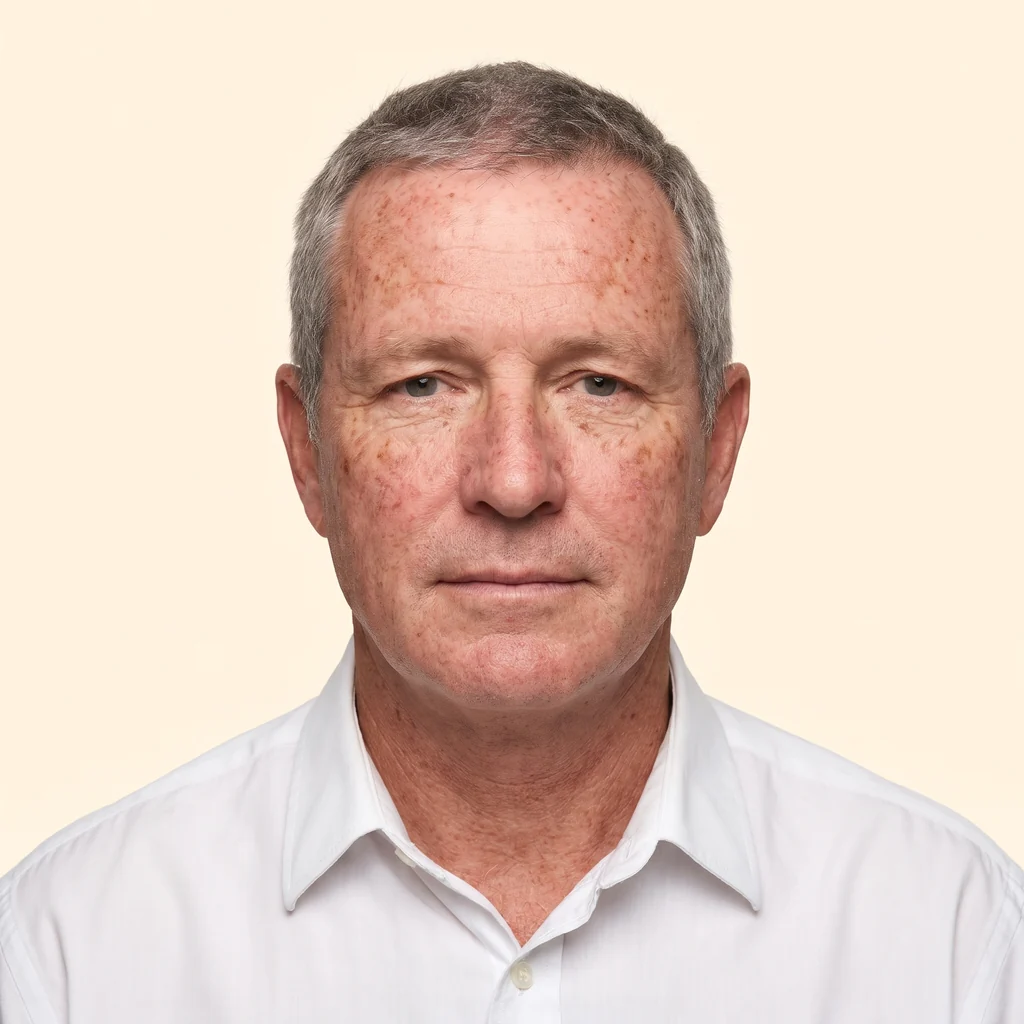
Medical description
Laser resurfacing uses a beam of light that heats or vaporises fine columns of skin in a controlled way, leaving the surrounding tissue intact, which promotes rapid healing. This process stimulates collagen production and renewal of the epidermis. There are ablative fractional lasers, such as CO2 or erbium, which are more effective but involve a more marked recovery, and non-ablative lasers, which are gentler but require several sessions. Laser treatment aims to improve skin texture, fine lines, acne scars and certain pigmentation spots and, unlike a chemical peel, allows the depth and density of treatment to be precisely adjusted. Results develop gradually, as collagen is produced.
What the procedure can correct
- Fine lines and wrinkles on the face
- Atrophic (depressed) acne scars
- Uneven texture and enlarged pores
- Pigmentation spots and uneven skin tone
- Loss of skin firmness
The ideal candidate
Laser treatment is suitable for adults who wish to improve the texture and quality of their skin and are able to follow strict sun avoidance. Olive, dark or tanned skin carries a higher risk of pigmentation problems and requires cautious settings; it is not advised during pregnancy, in the event of active cold sores, skin infection, a tendency to thick scars or recent isotretinoin treatment. The doctor confirms the indication after examination and assessment of your skin phototype.
The technique
After make-up removal and application of an anaesthetic cream, the eyes are protected with suitable goggles. The doctor passes the laser handpiece over the area using parameters chosen for your skin, with a sensation of heat or tingling. A healing cream is applied at the end of the session. Preventive treatment against cold sores may be prescribed for ablative lasers.
Your stay, step by step
- 1
Arrival and consultation
Welcome by your coordinator, examination and pre-operative consultation with the practitioner, who confirms the treatment plan.
- 2
Procedure
Numbing cream · 0.5–1.5 h
- 3
Back to the hotel
Day-case treatment: you return to your hotel the same day, accompanied.
- 4
Check-up before departure
Follow-up visit, care, instructions and prescription before your flight home. Recommended stay: 3–7 days.
- 5
Remote follow-up
Back home, you send your photos and stay in touch with the practitioner through your patient area, for up to 12 months.
Risks and recovery
Redness, swelling, a burning sensation and the formation of small scabs or peeling are usual for several days, and more marked with ablative lasers. Prolonged redness, pigmentation spots, a cold sore outbreak, infection, an acne flare-up and, more rarely, scarring may occur. Your doctor will explain these in detail during the consultation.
The information on this page is provided for guidance only and does not replace a medical consultation. Every procedure carries risks; the indication is made by the practitioner after examination, and results vary from person to person.
Frequently asked questions
Is laser treatment painful?
The anaesthetic cream generally makes the session well tolerated, with a sensation of intense heat at times. A sunburn-like feeling may persist for a few hours.
When can I fly and go in the sun?
Travel is generally possible at the end of the recommended stay, protecting the skin and keeping it well moisturised during the flight. The sun should be avoided and high-protection sunscreen applied for several weeks.
How many sessions are needed?
An ablative laser may be sufficient in a single session for some indications, whereas non-ablative lasers often require a series of sessions spaced apart. Your doctor will suggest the protocol suited to your skin.