Medical description
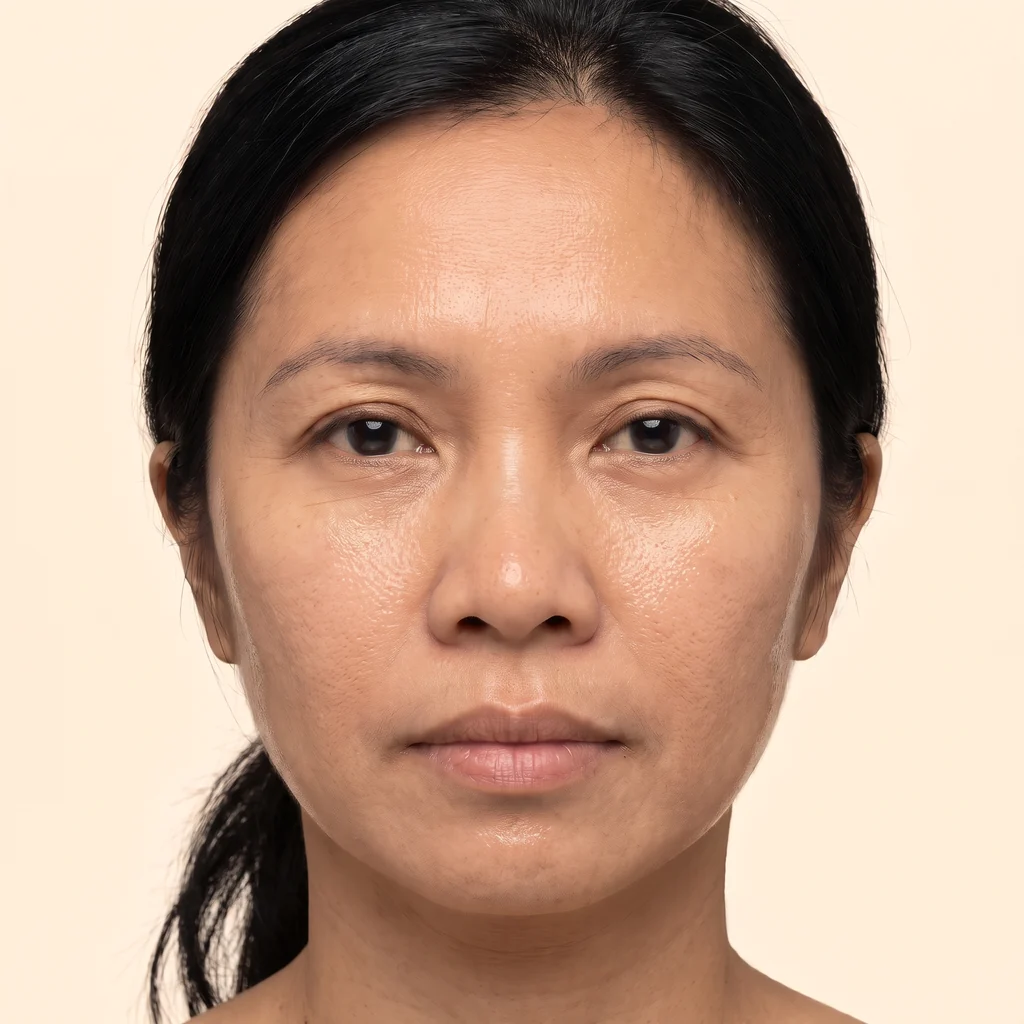
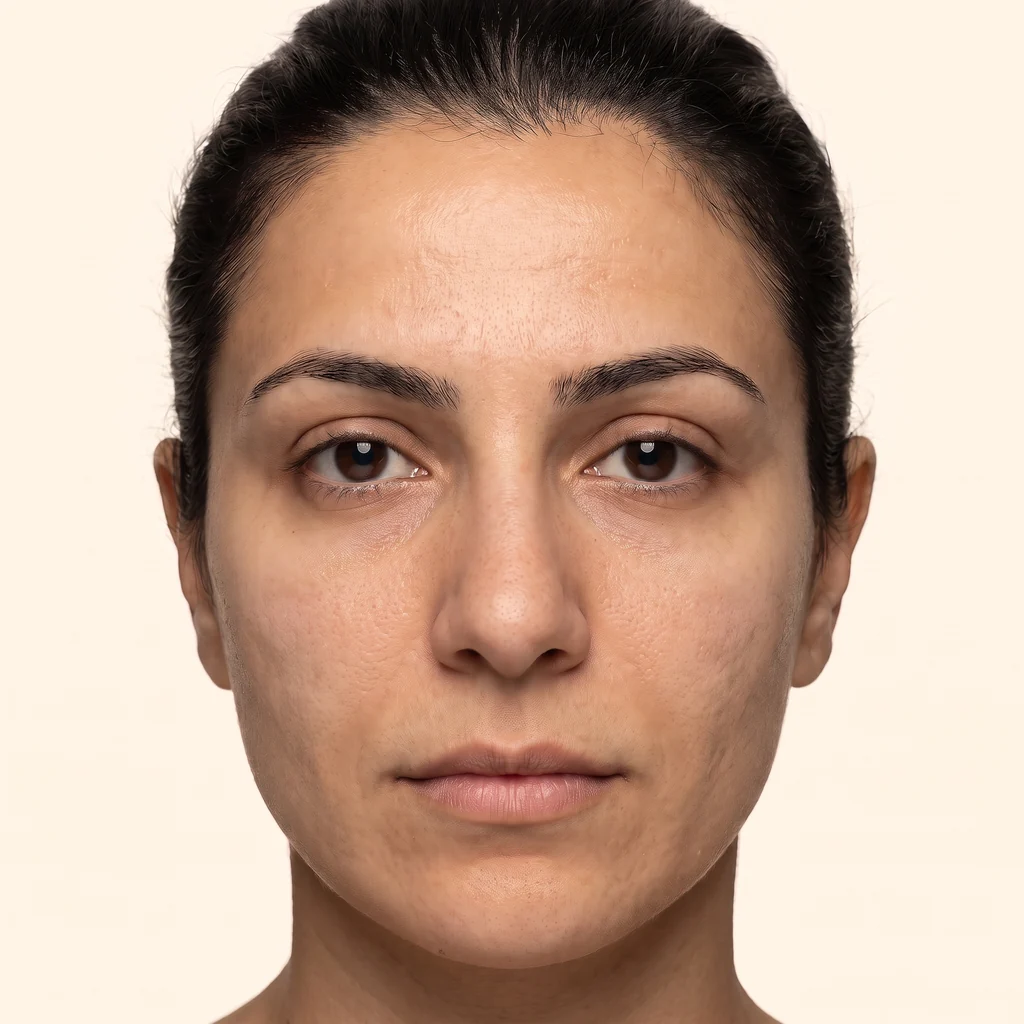
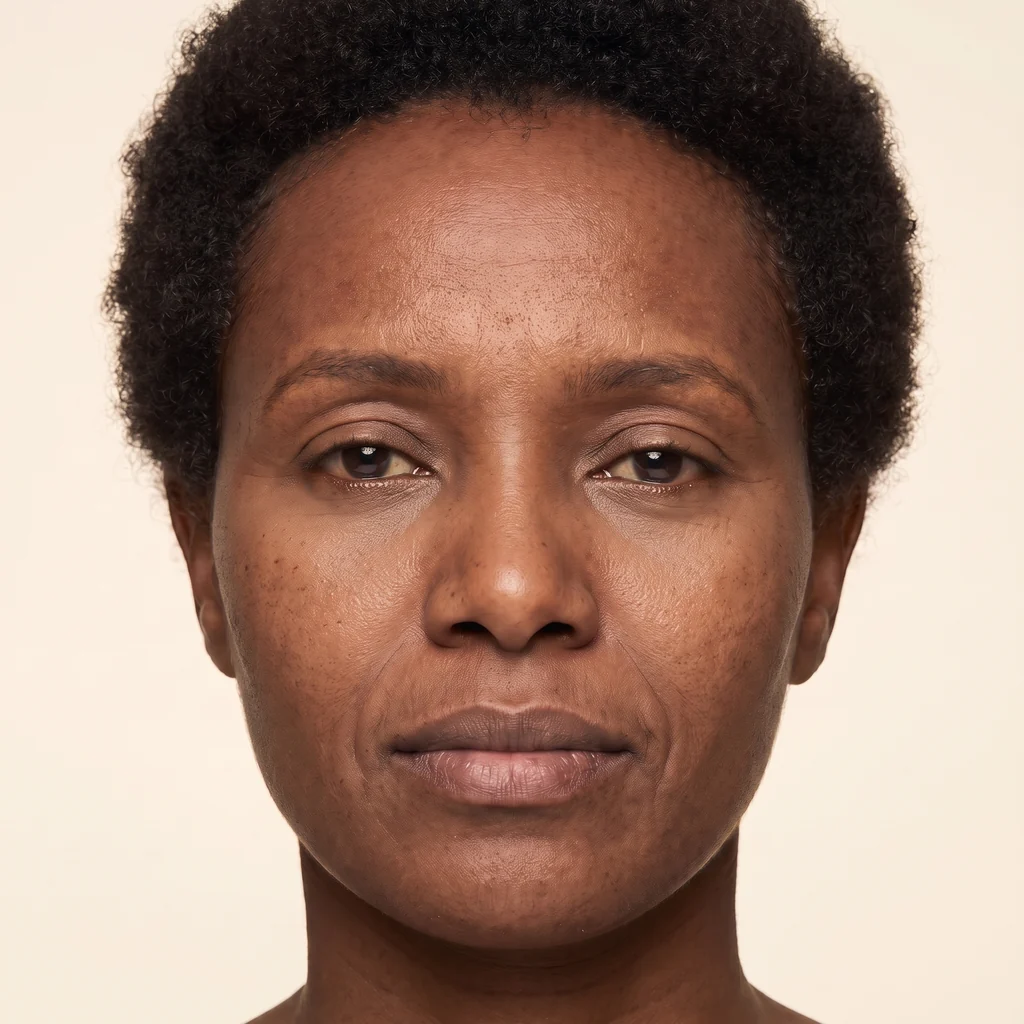
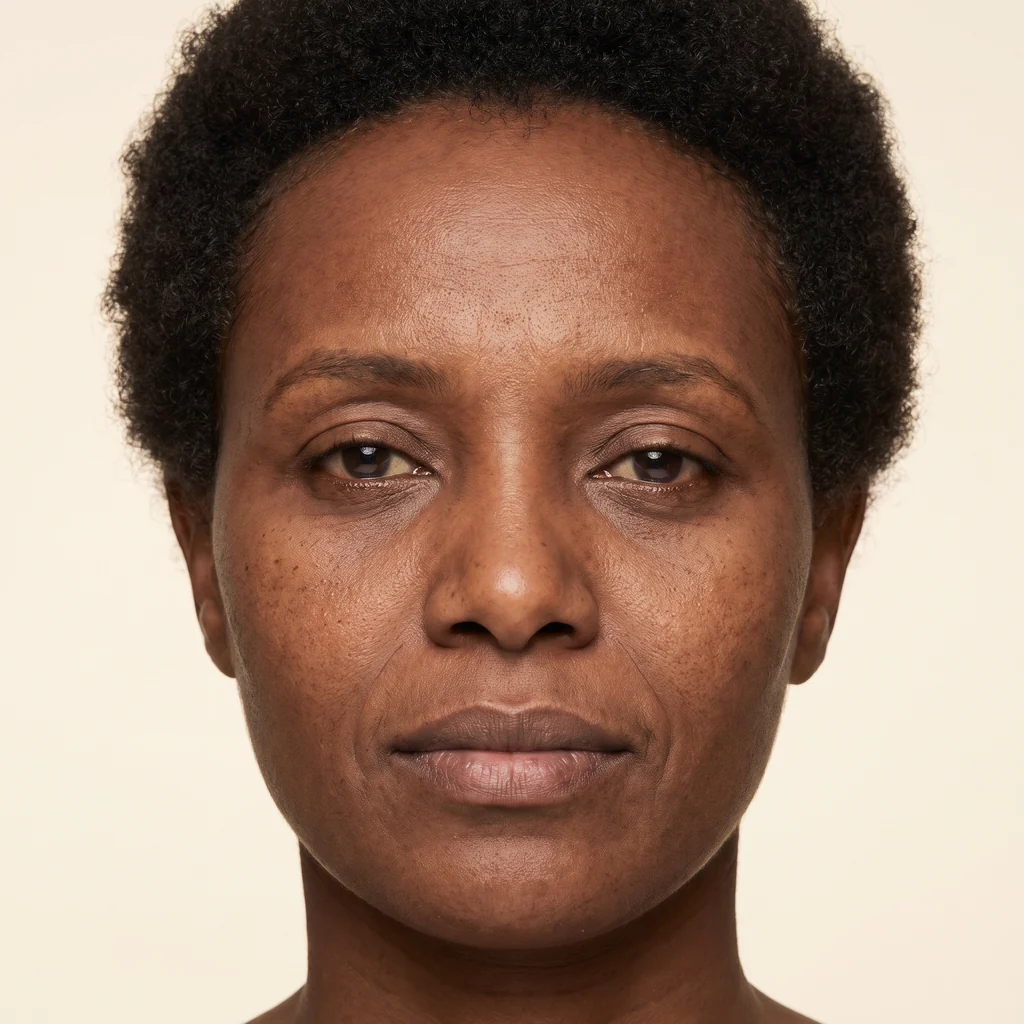
PRP, or platelet-rich plasma, is obtained from a small blood sample taken from the patient, centrifuged to concentrate the platelets. These release growth factors that stimulate skin cells and collagen production. Injected into the face, neck or décolletage, PRP aims to improve the radiance, texture and firmness of the skin, as well as certain acne scars or pigmented dark circles; as the product is autologous, that is, derived from your own body, the risk of allergy is very low. Unlike skin boosters, it does not provide hyaluronic acid but mobilises the skin's own repair capacity. The results are gradual, vary from person to person and are temporary.
What the procedure can correct
- Dull complexion and tired skin
- Uneven texture and enlarged pores
- Fine lines and loss of firmness
- Superficial acne scars
- Dark circles and thin skin under the eyes
The ideal candidate
PRP is suitable for healthy adults seeking a natural, gradual improvement in the quality of their skin. It is contraindicated in the event of platelet or clotting disorders, anticoagulant treatment, infection, anaemia, active cancer and during pregnancy. The doctor confirms the indication after a medical consultation and an examination of the skin.
The technique
An anaesthetic cream is applied to the area while a blood sample is taken from the inside of the elbow. The blood is centrifuged in a sterile tube to separate the platelet-rich plasma, which is then injected as micro-deposits with a fine needle or combined with microneedling. No dressing is needed. A protocol generally includes several sessions a few weeks apart, followed by maintenance.
Your stay, step by step
- 1
Arrival and consultation
Welcome by your coordinator, examination and pre-operative consultation with the practitioner, who confirms the treatment plan.
- 2
Procedure
Numbing cream · 0.5–1 h
- 3
Back to the hotel
Day-case treatment: you return to your hotel the same day, accompanied.
- 4
Check-up before departure
Follow-up visit, care, instructions and prescription before your flight home. Recommended stay: 1–2 days.
- 5
Remote follow-up
Back home, you send your photos and stay in touch with the practitioner through your patient area, for up to 12 months.
Risks and recovery
Redness, slight swelling, tenderness and sometimes small bruises are usual for one to two days. Less commonly, infection, a cold sore outbreak or a bruise at the blood sampling site may occur. Your doctor will explain these in detail during the consultation.
The information on this page is provided for guidance only and does not replace a medical consultation. Every procedure carries risks; the indication is made by the practitioner after examination, and results vary from person to person.
Frequently asked questions
Are PRP injections painful?
The anaesthetic cream generally makes the injections well tolerated, with a tingling sensation. The area may remain tender for a few hours.
When will I see a result?
The improvement is gradual and appears over the weeks as the skin regenerates. It remains temporary and is maintained through regular sessions.
Can PRP be combined with other treatments?
PRP is often combined with microneedling, skin boosters or laser to enhance the effect. Your doctor will define the combination and schedule suited to your skin.