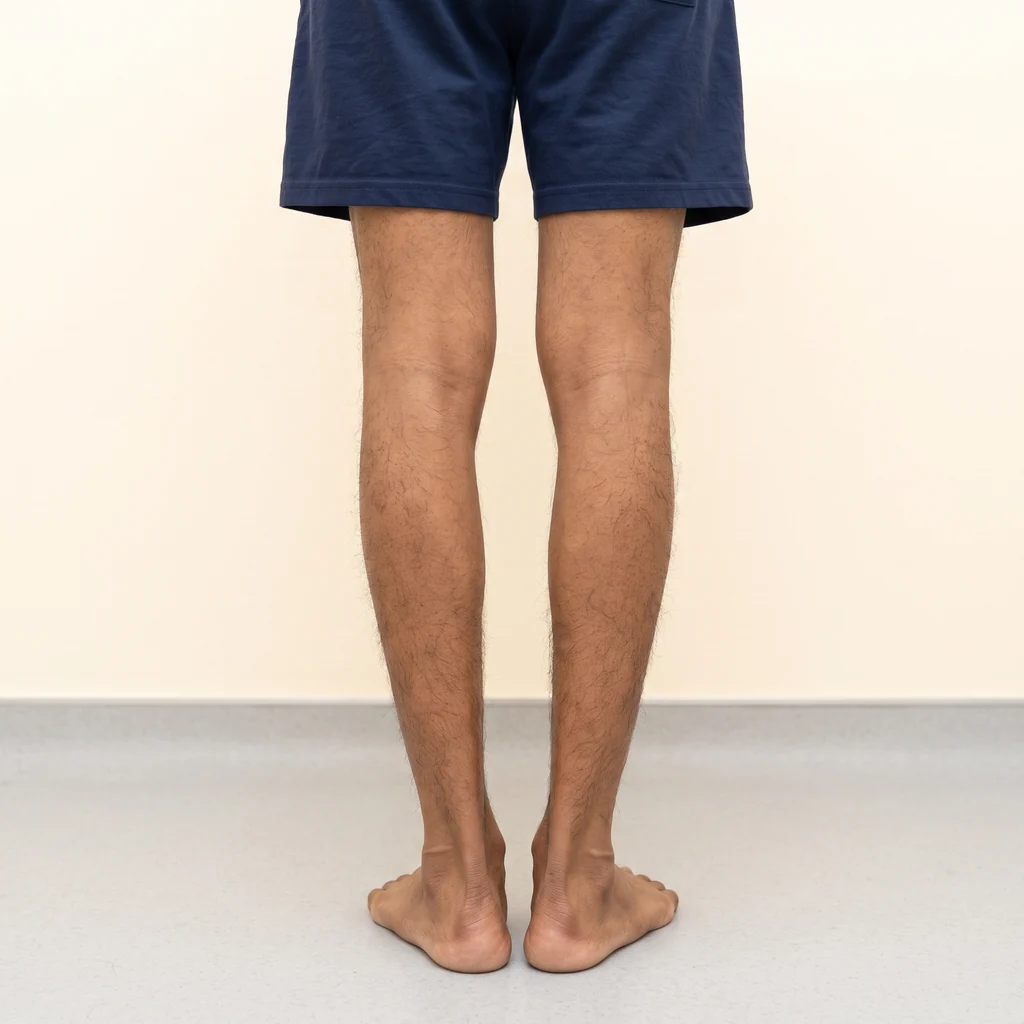
Medical description
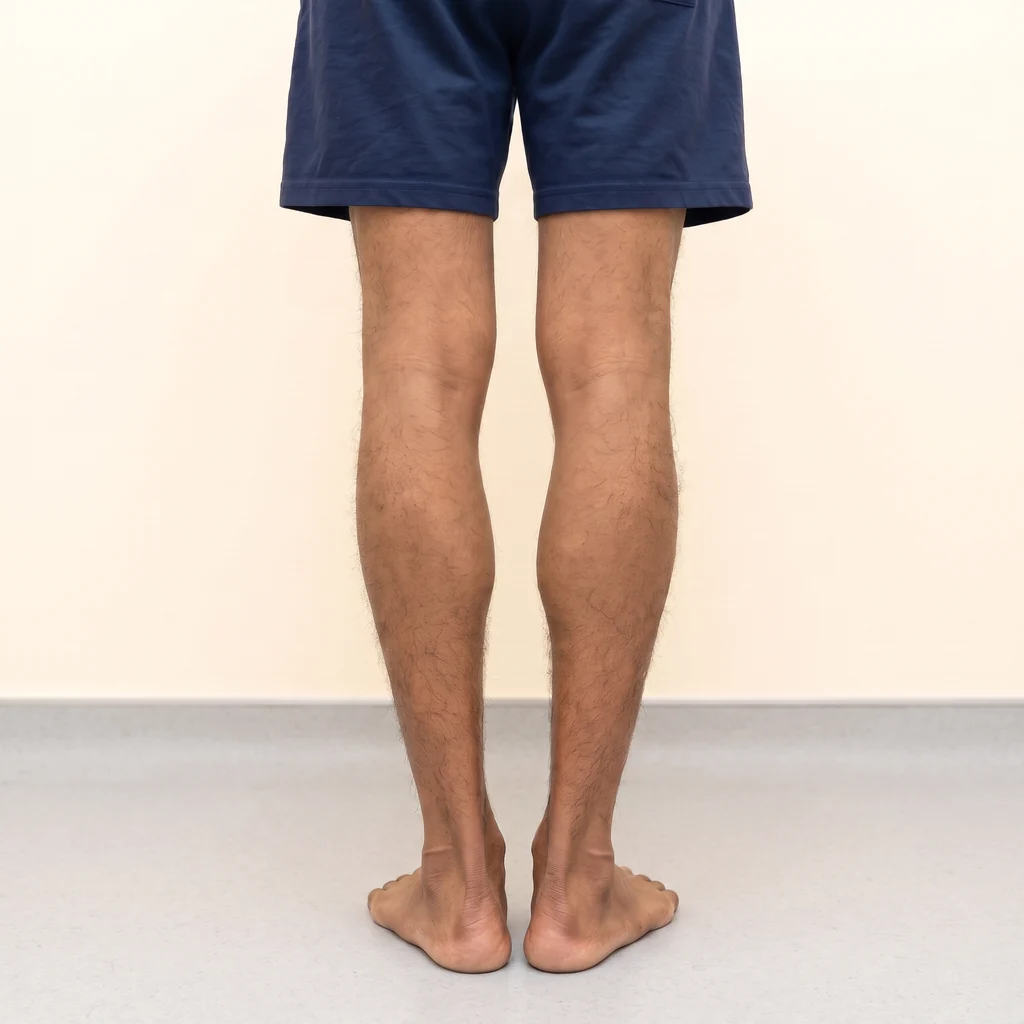
Calf implants increase the volume and improve the contour of the leg when the calves are naturally thin and do not develop despite training. They are also indicated to correct an asymmetry, for example after polio, club foot or an injury. This procedure is for men and women alike. The implants, made of solid, flexible silicone, are placed beneath the muscle sheath, most often on the inner part of the calf, sometimes also on the outer part. Their shape and size are chosen according to the length of the leg and the desired volume. Fat grafting is an alternative for more modest corrections. The indication is confirmed by the surgeon after examination.
What the procedure can correct
- Calves that are too thin despite exercise
- Difference in volume between the legs
- After-effects of club foot or polio
- Lack of shape in the leg
- Disproportion between thighs and calves
The ideal candidate
An adult man or woman in good health, at a stable weight, with no venous or arterial circulation problems in the legs and with realistic expectations. Any history of phlebitis or clotting disorders must be reported. Smoking must be stopped before the procedure.
The technique
The procedure is performed under general anaesthesia, lying face down. The surgeon makes an incision of a few centimetres in the crease behind the knee, then creates a pocket beneath the fascia, the sheath of the muscle, into which the implant is slid. Closure is done in several layers. A bandage or compression stockings are put in place, and walking is resumed gradually, avoiding prolonged exertion at first.
Your stay, step by step
- 1
Arrival and consultation
Welcome by your coordinator, examination and pre-operative consultation with the practitioner, who confirms the treatment plan.
- 2
Procedure
General · 1.5–2 h
- 3
Monitoring in the clinic
Hospital stay: 1 night. The care team looks after your comfort and post-operative monitoring.
- 4
Check-up before departure
Follow-up visit, care, instructions and prescription before your flight home. Recommended stay: 8–10 days.
- 5
Remote follow-up
Back home, you send your photos and stay in touch with the practitioner through your patient area, for up to 12 months.
Risks and recovery
The usual after-effects include pain when walking, a feeling of tightness, swelling and bruising of the legs during the first few weeks. Possible complications are seroma, haematoma, infection, displacement or visibility of the implant, asymmetry, changes in sensation, phlebitis and, rarely, compartment syndrome, which requires urgent treatment. Your surgeon will explain these in detail during the consultation.
The information on this page is provided for guidance only and does not replace a medical consultation. Every procedure carries risks; the indication is made by the practitioner after examination, and results vary from person to person.
Frequently asked questions
Will I be able to walk normally after the operation?
Walking is resumed from the first few days, but it remains cautious and sometimes uncomfortable at first. It generally returns to normal over the following weeks.
When will I be able to return to running or sport?
Sports that put strain on the calves, such as running or jumping, are generally postponed for around six to eight weeks. Your surgeon will adapt this timescale to your progress.
Is air travel risky after calf implants?
Travelling home is generally possible at the end of the recommended stay, but the risk of phlebitis calls for precautions: compression stockings, hydration, ankle exercises and walking during the flight.