Medical description
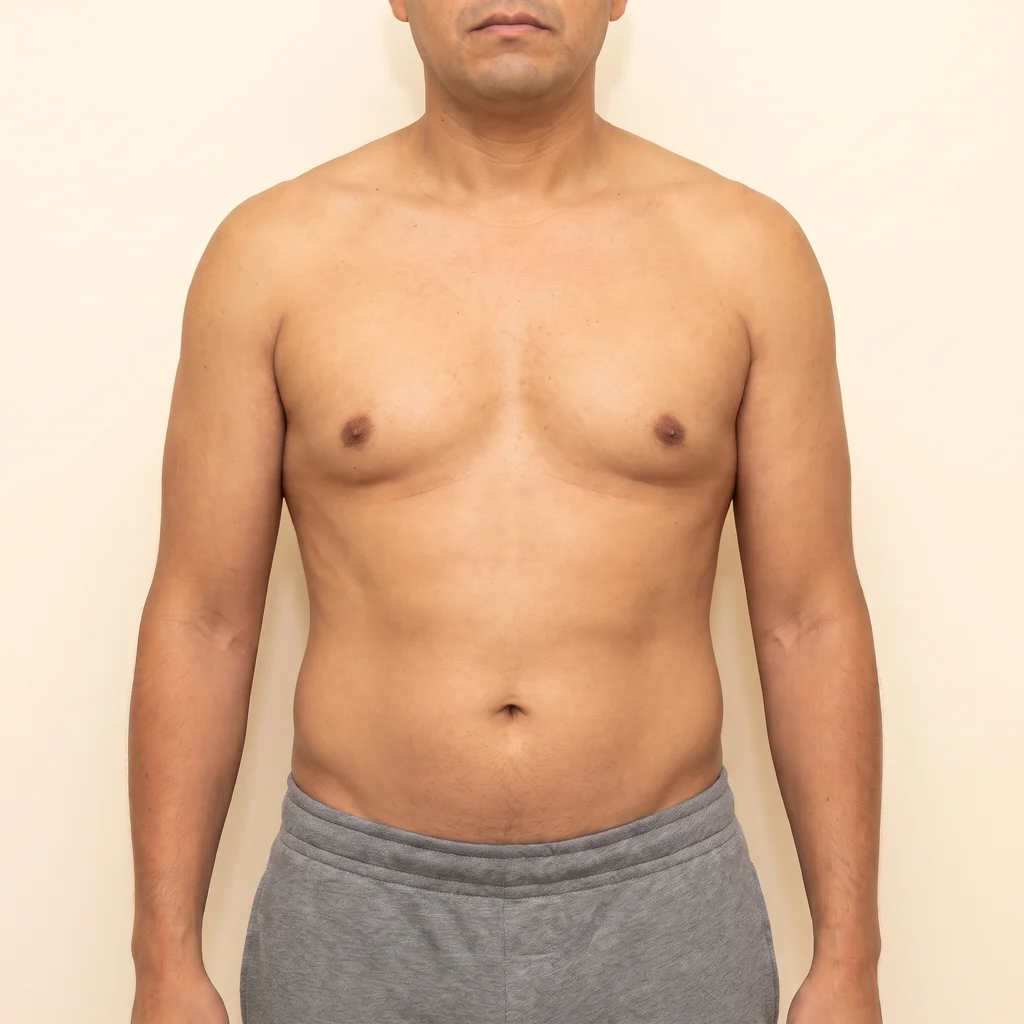
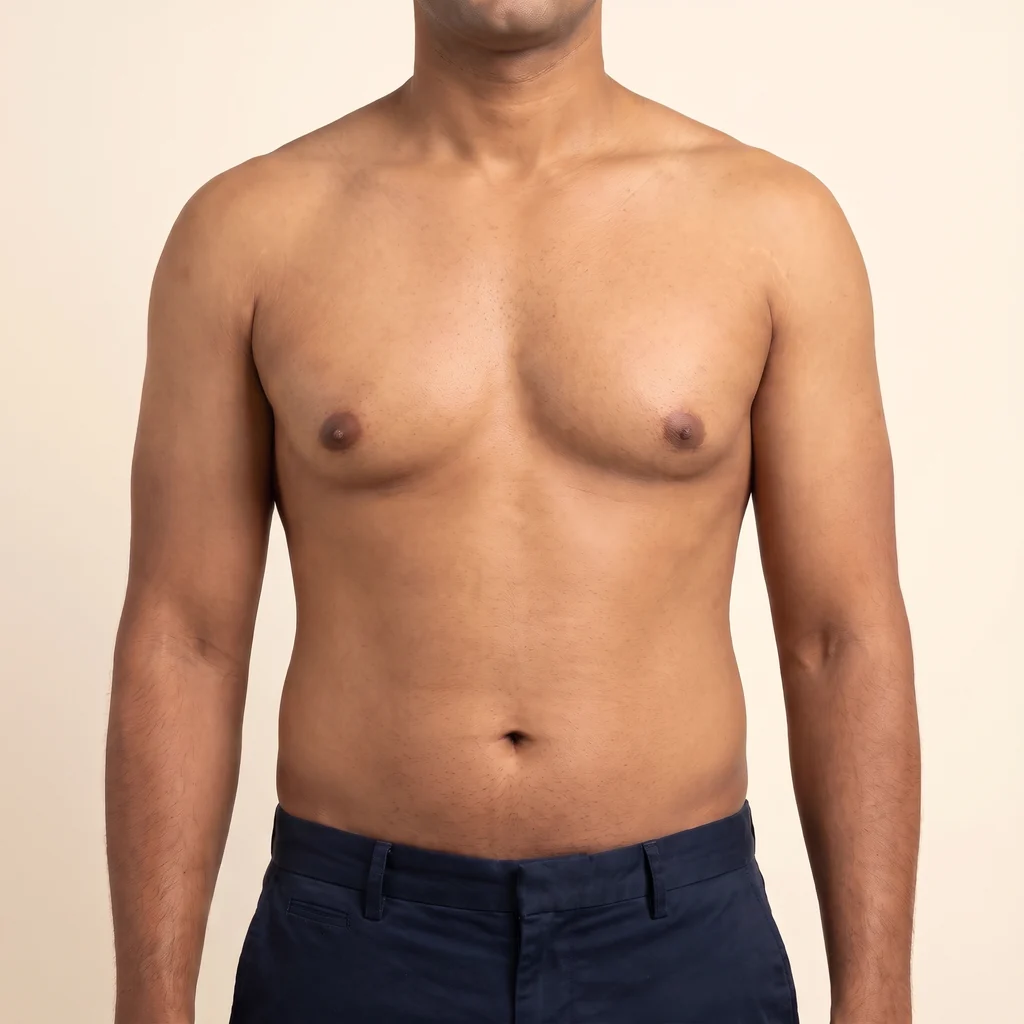
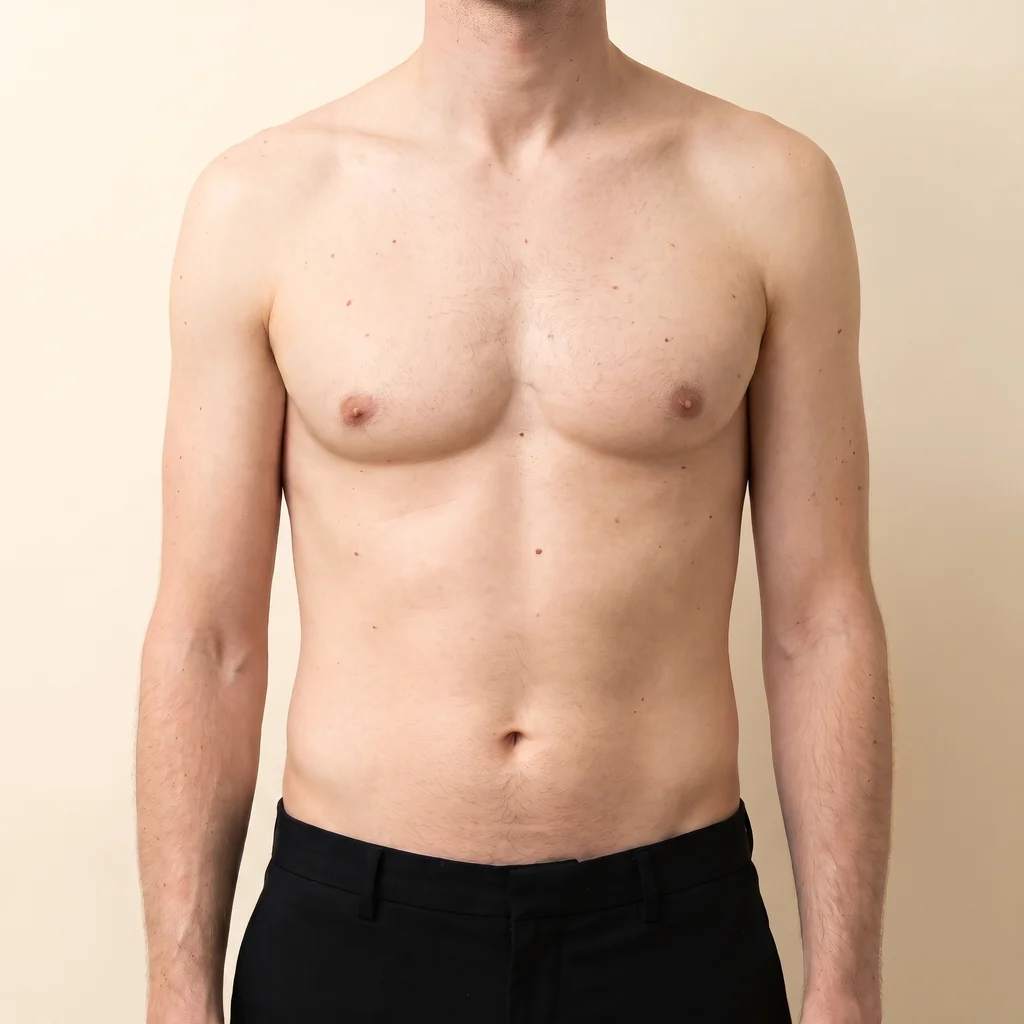
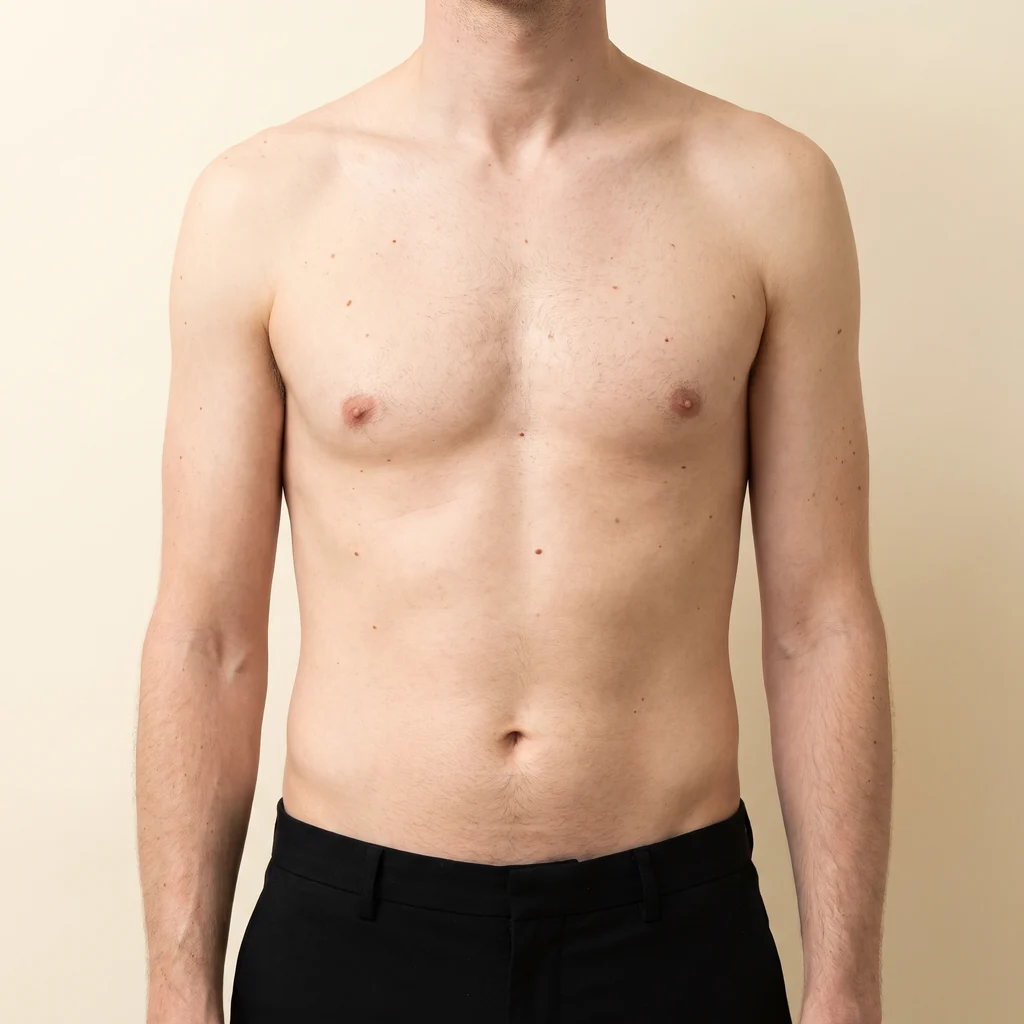
Pectoral implants aim to increase the volume and projection of the chest in men whose pectoral muscles are naturally underdeveloped despite regular training. They can also correct a chest asymmetry or a partial absence of the muscle, as in Poland syndrome. These are solid, flexible silicone implants that cannot rupture, unlike gel-filled breast implants. They are placed under the pectoralis major muscle, which gives them good coverage and a natural appearance. Their size and shape are chosen according to the dimensions of the chest. This procedure can be complemented by fat grafting to refine the contours. The indication is confirmed by the surgeon after examination.
What the procedure can correct
- Underdeveloped pectorals despite exercise
- Flat or hollow chest
- Chest asymmetry
- Partial absence of the pectoral muscle
- Lack of definition in the upper chest
The ideal candidate
An adult man in good health, at a stable weight, with sufficient muscle and skin coverage and realistic expectations. Gynaecomastia or excess chest fat must be treated beforehand or at the same time. Smoking must be stopped before the procedure.
The technique
The procedure is performed under general anaesthesia. The surgeon makes an incision of a few centimetres in the hollow of the armpit, then creates a pocket under the pectoralis major muscle into which the implant is slid and positioned. Closure is done in several layers. A bandage or compression vest holds the implant in place, and wide arm movements are restricted for several weeks.
Your stay, step by step
- 1
Arrival and consultation
Welcome by your coordinator, examination and pre-operative consultation with the practitioner, who confirms the treatment plan.
- 2
Procedure
General · 1.5–2.5 h
- 3
Monitoring in the clinic
Hospital stay: 1 night. The care team looks after your comfort and post-operative monitoring.
- 4
Check-up before departure
Follow-up visit, care, instructions and prescription before your flight home. Recommended stay: 8–10 days.
- 5
Remote follow-up
Back home, you send your photos and stay in touch with the practitioner through your patient area, for up to 12 months.
Risks and recovery
The usual after-effects include marked muscle-tension pain in the first few days, swelling, bruising and restricted arm movement. Possible complications are seroma, which is relatively common, haematoma, infection, displacement or visibility of the implant, asymmetry, capsular contracture and changes in sensation. Your surgeon will explain these in detail during the consultation.
The information on this page is provided for guidance only and does not replace a medical consultation. Every procedure carries risks; the indication is made by the practitioner after examination, and results vary from person to person.
Frequently asked questions
When will I be able to return to weight training?
Light exercise is resumed gradually, but chest workouts and heavy lifting are generally postponed for around two months to allow the implant to settle. Your surgeon will specify this timescale during follow-up.
Can pectoral implants rupture?
These implants are made of solid silicone and contain no gel: they are not prone to rupture as breast implants are. They may, however, shift or require revision.
Is the scar visible?
The incision is placed in a fold of the armpit, which makes it discreet once healed. It fades gradually, with its quality varying from one skin type to another.