

Medical description
Scar treatment aims to make a scar less visible, flatter, more supple and closer to the colour of the surrounding skin. A scar never disappears completely, but its appearance can often be clearly improved. The practitioner chooses or combines several techniques according to the type of scar: fractional laser for acne scars and texture irregularities, microneedling, injections for thick or depressed scars, and surgical revision for a wide or poorly oriented scar.
What the procedure can correct
- Depressed acne scars
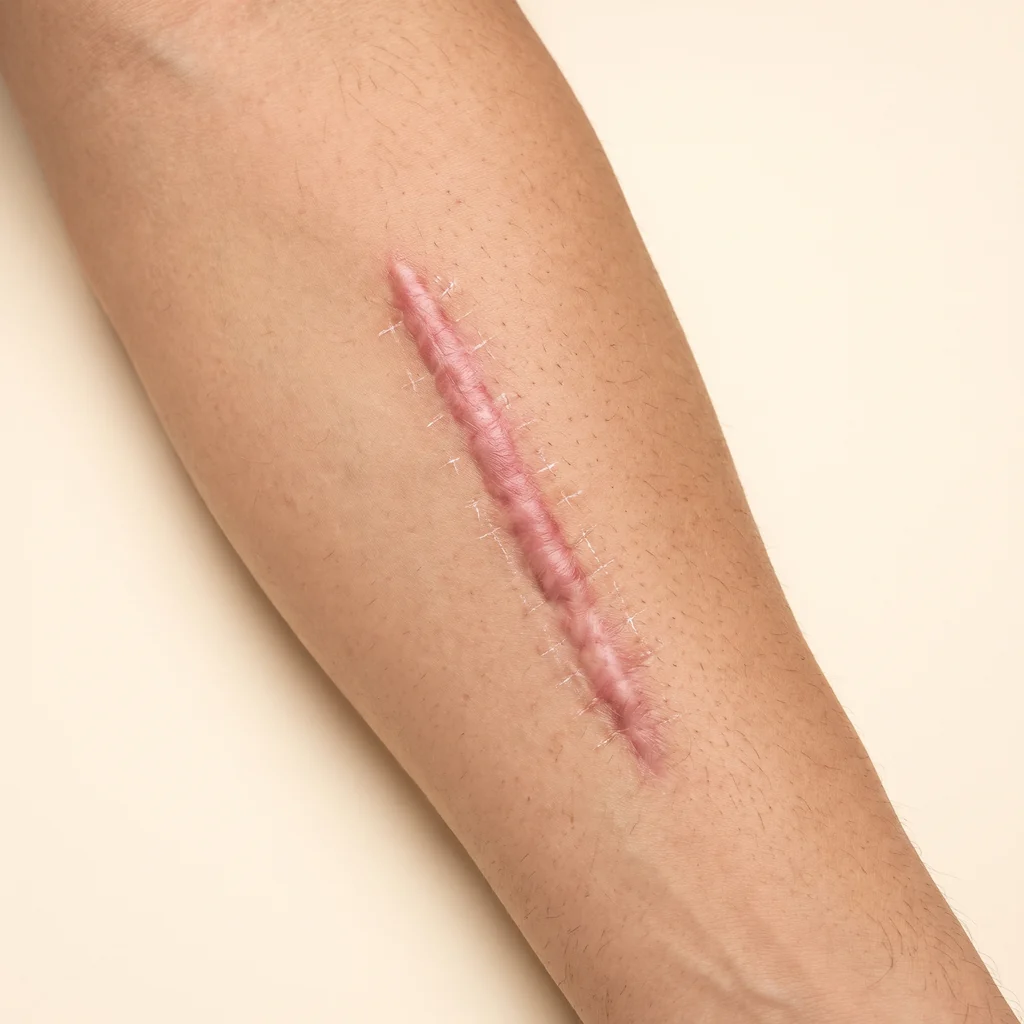
- Visible surgical or accidental scars
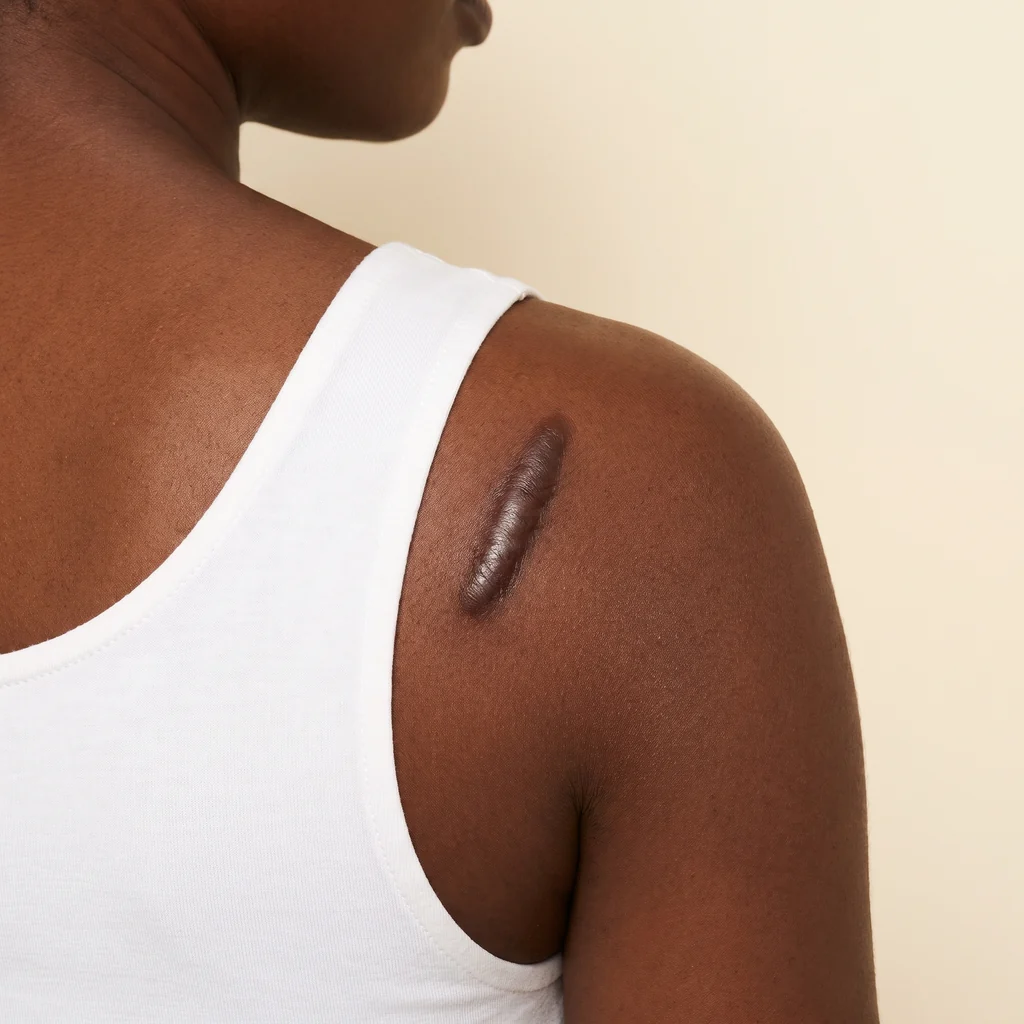
- Thick or raised scars
- Red scars or scars of a different colour from the skin
- Stretch marks (partial improvement)
The ideal candidate
A person whose scar has stabilised, that is, generally at least six months to a year after the injury or operation, and who has realistic expectations. Keloid scars, which tend to recur, require appropriate treatment and longer follow-up. Untanned skin is preferable for laser treatments.
The technique
The treatment is tailored to each scar and often carried out over several sessions. After applying an anaesthetic cream, the practitioner may use a fractional laser, microneedling, injections (corticosteroids for thick scars, fillers for depressions) or surgical revision under local anaesthesia. Local care and sun protection complete the treatment.
Your stay, step by step
- 1
Arrival and consultation
Welcome by your coordinator, examination and pre-operative consultation with the practitioner, who confirms the treatment plan.
- 2
Procedure
Numbing cream · 0.5–1 h
- 3
Back to the hotel
Day-case treatment: you return to your hotel the same day, accompanied.
- 4
Check-up before departure
Follow-up visit, care, instructions and prescription before your flight home. Recommended stay: 3–5 days.
- 5
Remote follow-up
Back home, your coordinator remains your contact and organises follow-up with the practitioner (photos and messages via WhatsApp, then through your secure patient area once it opens).
Risks and recovery
Redness, swelling and sometimes small scabs are common for a few days after the sessions. Less commonly, a change in skin colour, infection, recurrence of a thick scar or less improvement than hoped for may occur. Your practitioner will explain these in detail during the consultation.
The information on this page is provided for guidance only and does not replace a medical consultation. Every procedure carries risks; the indication is made by the practitioner after examination, and results vary from person to person.
Frequently asked questions
Will my scar disappear?
No technique makes a scar disappear completely. The aim is to make it much less visible; your practitioner will tell you the degree of improvement that is realistic in your case.
How many sessions are needed?
Most often several, a few weeks apart. During a stay, a first session can be carried out on site and the rest organised according to your schedule.
When should a recent scar be treated?
It is generally advisable to wait until the scar has stabilised. Some early treatments may, however, be offered for a scar that is thickening; your practitioner will assess the right time.


