Medical description
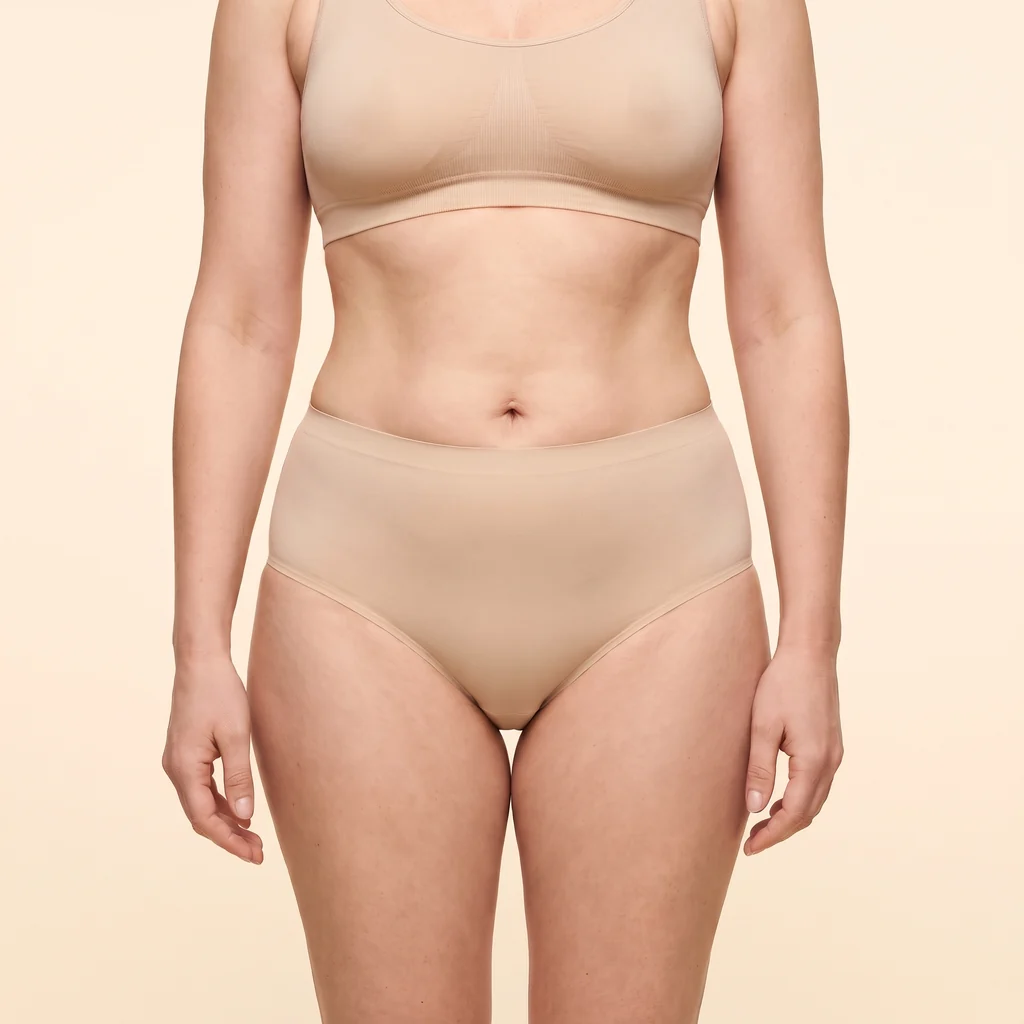
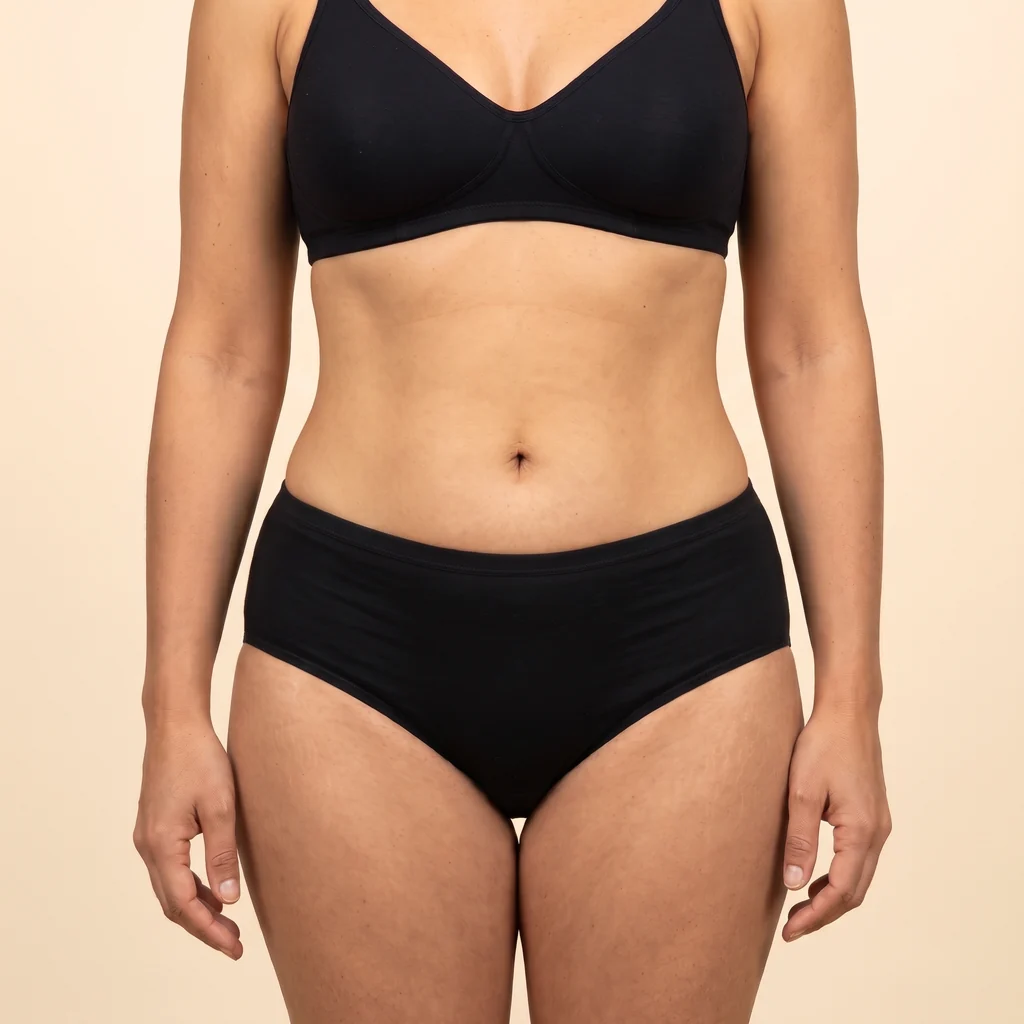
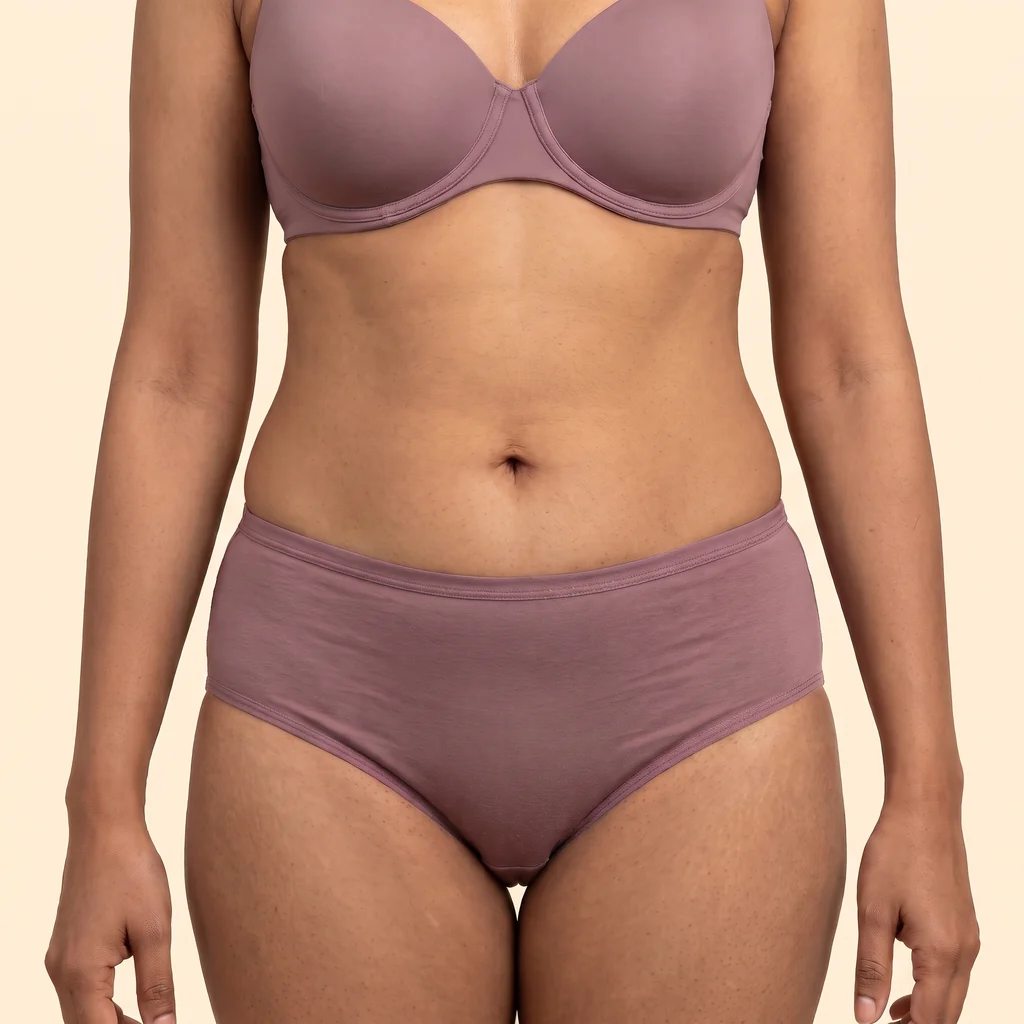
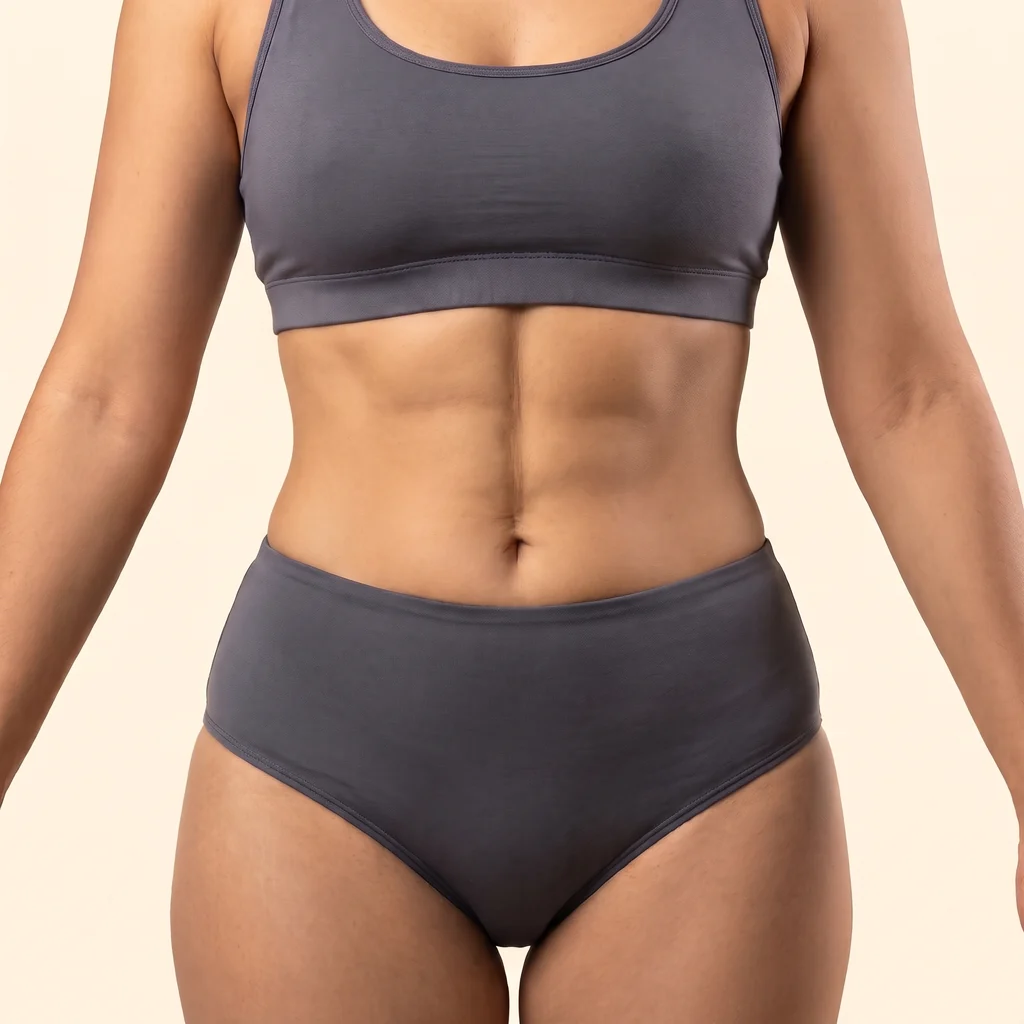
HD liposuction, or high-definition liposculpture, is an advanced variant of liposuction. Beyond removing fat deposits, it aims to sculpt the superficial fat to bring out the underlying anatomical contours: the grooves of the abdominal muscles, the outline of the pectorals, the shoulders, the flanks or, in women, softer waist lines. It relies on a detailed knowledge of muscle anatomy and on suction at different depths. It takes longer and is more demanding than conventional liposuction, and the recovery is often more marked. The result depends on the musculature, the quality of the skin and a healthy lifestyle; after examination, the surgeon assesses whether this technique is right for you.
What the procedure can correct
- Abdominal muscles barely visible despite training
- Thin layer of fat masking muscle definition
- Lack of definition of the pectorals and shoulders
- Waist and flanks not sufficiently defined
- Athletic figure difficult to achieve through exercise alone
The ideal candidate
A person who is slim or close to a normal weight, takes part in regular physical activity, and has good muscle tone and elastic skin. HD liposuction is not suitable for people who are overweight or who have significant skin laxity. A stable lifestyle and stopping smoking are essential to promote good healing.
The technique
The muscle contours are identified and marked in a standing position, taking into account each patient's individual anatomy. Through small, discreet incisions, the surgeon first suctions the deep fat, then selectively works the superficial layer to create areas of light and shadow along the muscles; a vibration- or energy-assisted device may facilitate extraction and promote skin retraction. The procedure is performed under general anaesthesia. A compression garment and compression foams are put in place, often combined with manual lymphatic drainage sessions.
Your stay, step by step
- 1
Arrival and consultation
Welcome by your coordinator, examination and pre-operative consultation with the practitioner, who confirms the treatment plan.
- 2
Procedure
General · 3–5 h
- 3
Monitoring in the clinic
Hospital stay: 1 night. The care team looks after your comfort and post-operative monitoring.
- 4
Check-up before departure
Follow-up visit, care, instructions and prescription before your flight home. Recommended stay: 8–10 days.
- 5
Remote follow-up
Back home, you send your photos and stay in touch with the practitioner through your patient area, for up to 12 months.
Risks and recovery
The after-effects include swelling and bruising that are often greater than after conventional liposuction, as well as hardened areas that soften over several weeks. Irregularities, an overly defined or artificial appearance, asymmetry, seroma, infection, changes in sensation or venous thrombosis may occur, and subsequent weight gain may blur the definition achieved. Your surgeon will explain these in detail during the consultation.
The information on this page is provided for guidance only and does not replace a medical consultation. Every procedure carries risks; the indication is made by the practitioner after examination, and results vary from person to person.
Frequently asked questions
How does it differ from conventional liposuction?
Conventional liposuction mainly aims to reduce fat volume and harmonise contours. HD liposuction goes further by working the superficial fat around the muscles to highlight their definition, which requires more operating time and a candidate who is already slim and toned.
Is the result long-lasting?
The fat removed does not grow back, but weight gain can blur the definition. Maintaining regular physical activity and a stable weight is essential to preserve the result.
Are massages necessary after the operation?
Lymphatic drainage sessions are generally recommended during the first few weeks to reduce swelling and hardened areas. Your surgeon will indicate the appropriate protocol, which can be continued after you return home.