Medical description
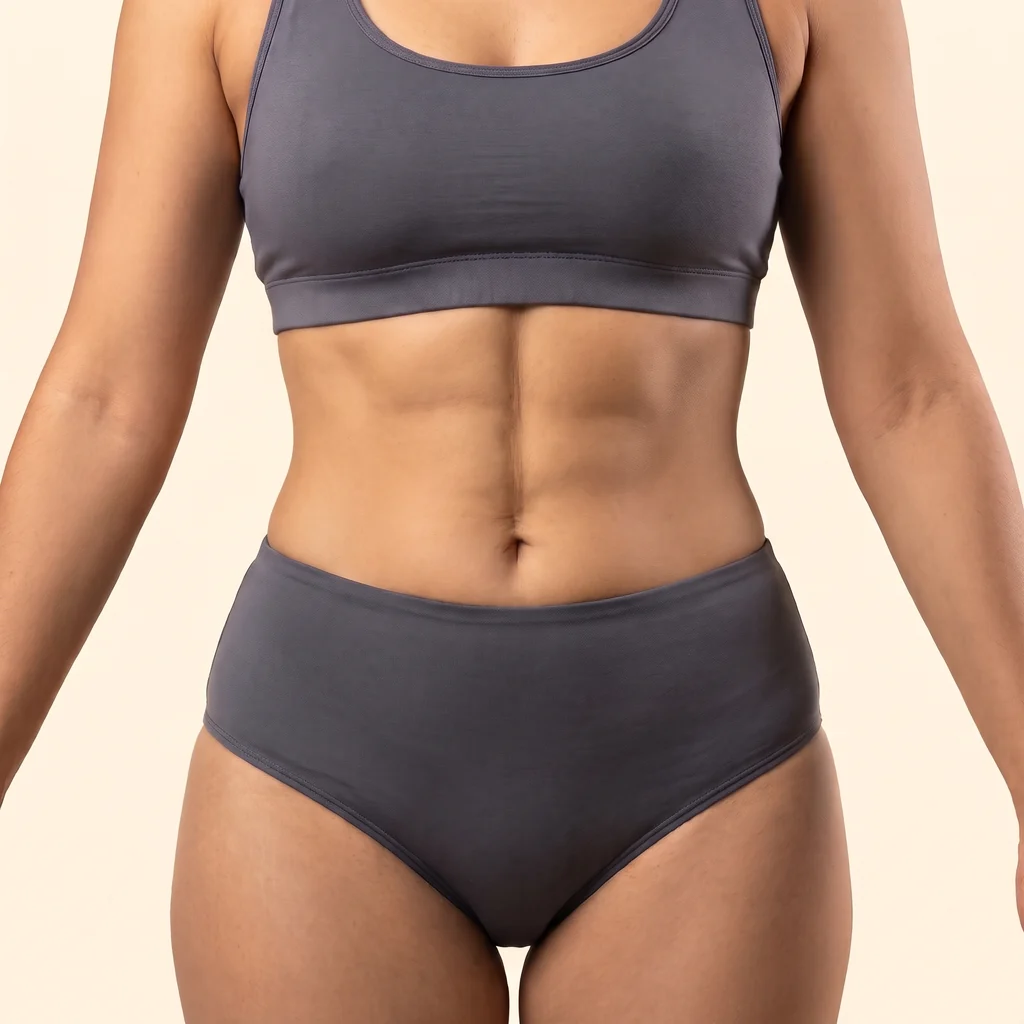
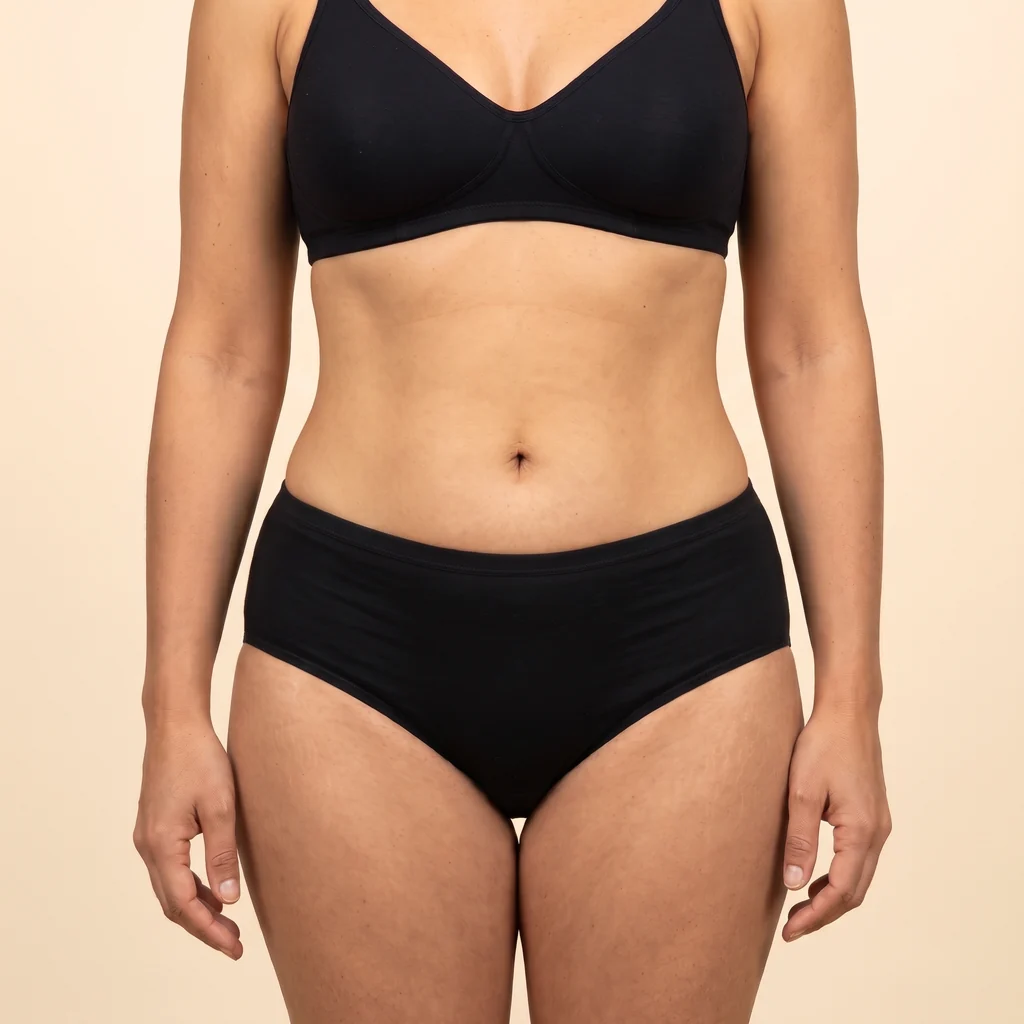
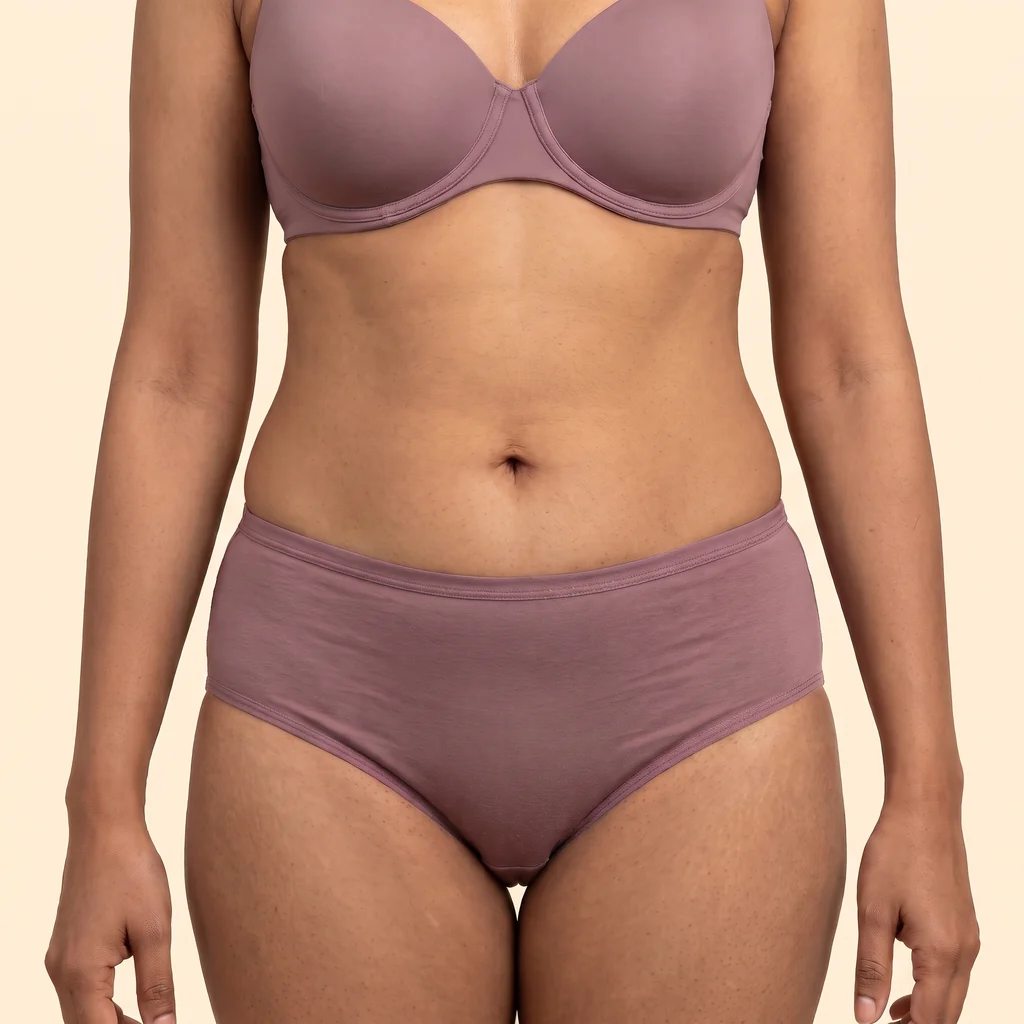
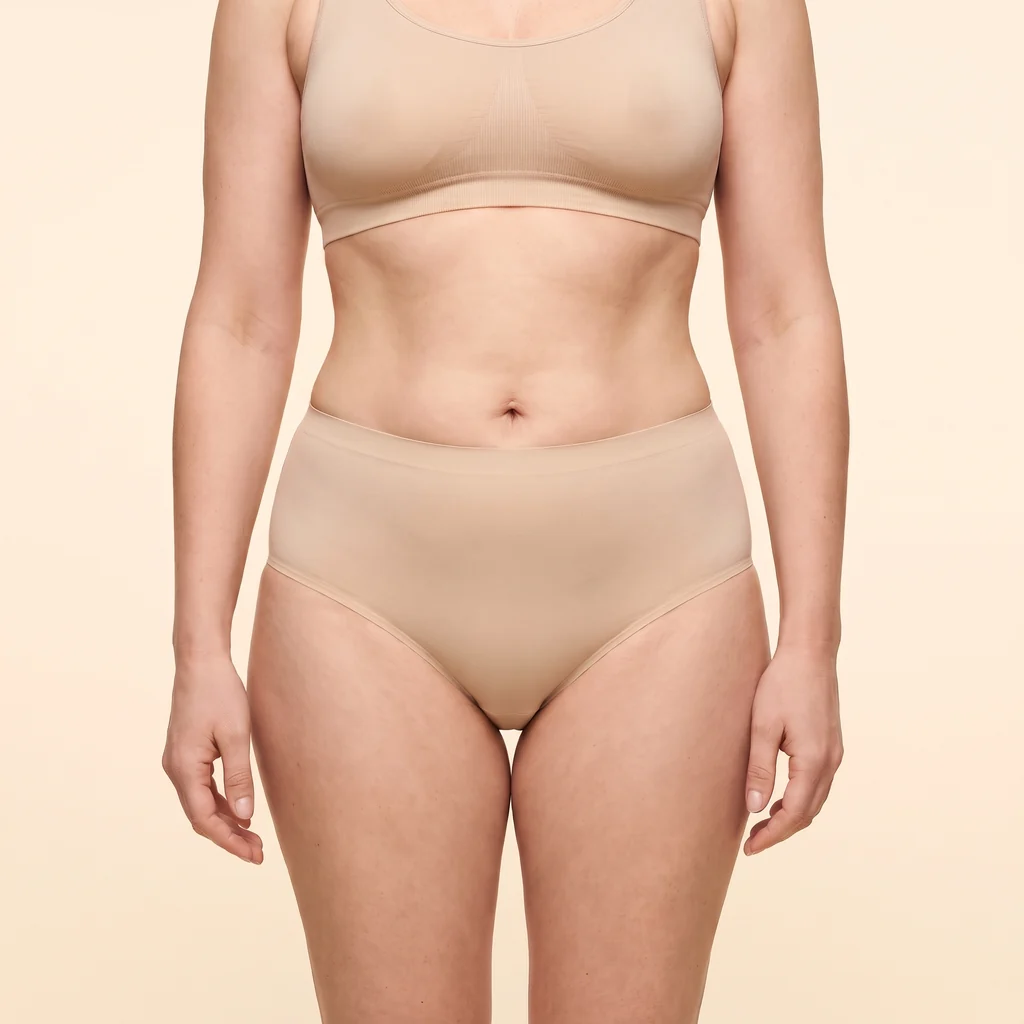
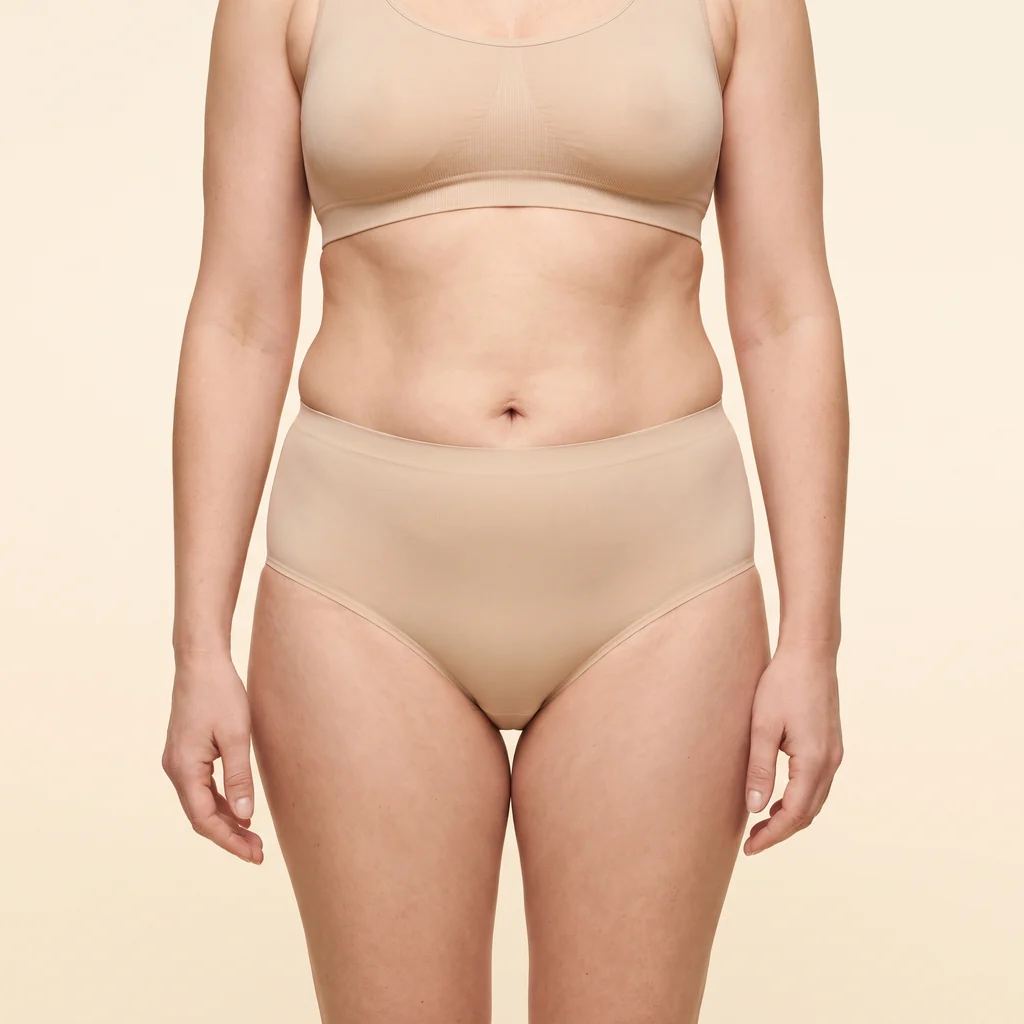
Liposuction, or lipoplasty, involves suctioning out, through fine cannulas, localised fat deposits that persist despite a balanced diet and regular exercise. It concerns areas such as the abdomen, flanks, hips, thighs, knees, arms or chin. It is not a weight-loss method: it reshapes contours without treating overall excess weight. The quality of the result depends largely on the elasticity of the skin, which must be able to retract after suction. The areas to be treated and the volume that can safely be removed are determined by the surgeon after examination.
What the procedure can correct
- Localised fat deposits resistant to exercise
- Saddlebags and prominent hips
- Abdomen and flanks (love handles)
- Inner thighs and knees
- Double chin caused by fat
- Disproportionate figure despite a stable weight
The ideal candidate
A person in good health, close to their natural weight and stable for several months, with localised fat deposits and good skin elasticity. Smokers are asked to stop smoking for several weeks before and after the procedure. Liposuction is not indicated in cases of obesity, pregnancy or breastfeeding, nor to treat significant skin laxity.
The technique
After precise marking of the areas in a standing position, the surgeon makes small incisions of a few millimetres, placed in natural folds or discreet areas. An infiltration solution containing a local anaesthetic and a vasoconstrictor is injected to limit bleeding, then the fat is suctioned out with fine cannulas, in even layers, to achieve harmonious contours. The procedure is most often performed under general anaesthesia. A compression garment is worn day and night for several weeks to help the skin retract and limit swelling.
Your stay, step by step
- 1
Arrival and consultation
Welcome by your coordinator, examination and pre-operative consultation with the practitioner, who confirms the treatment plan.
- 2
Procedure
General · 1–3 h
- 3
Monitoring in the clinic
Hospital stay: Day case or 1 night. The care team looks after your comfort and post-operative monitoring.
- 4
Check-up before departure
Follow-up visit, care, instructions and prescription before your flight home. Recommended stay: 7–8 days.
- 5
Remote follow-up
Back home, you send your photos and stay in touch with the practitioner through your patient area, for up to 12 months.
Risks and recovery
The usual after-effects include swelling, bruising, aching and a temporary decrease in skin sensitivity, which gradually subside. Rarer complications are possible: surface irregularities, asymmetry, fluid accumulation (seroma), infection, venous thrombosis or, in exceptional cases, fat embolism. Your surgeon will explain these in detail during the consultation.
The information on this page is provided for guidance only and does not replace a medical consultation. Every procedure carries risks; the indication is made by the practitioner after examination, and results vary from person to person.
Frequently asked questions
Can the fat that has been removed come back?
The fat cells removed do not grow back, but those that remain can enlarge with weight gain. Maintaining the result therefore depends on a stable weight, a balanced diet and regular physical activity.
When will I be able to return to sport?
Walking is encouraged from the first few days. Moderate sporting activities are generally resumed after a few weeks, and intense sports on your surgeon's advice at the check-up.
Can I fly after the procedure?
The return flight is generally possible at the end of the recommended stay, after your surgeon has examined you. It is advisable to wear your compression garment during the flight, stay well hydrated and walk around regularly to limit the risk of phlebitis.