Medical description
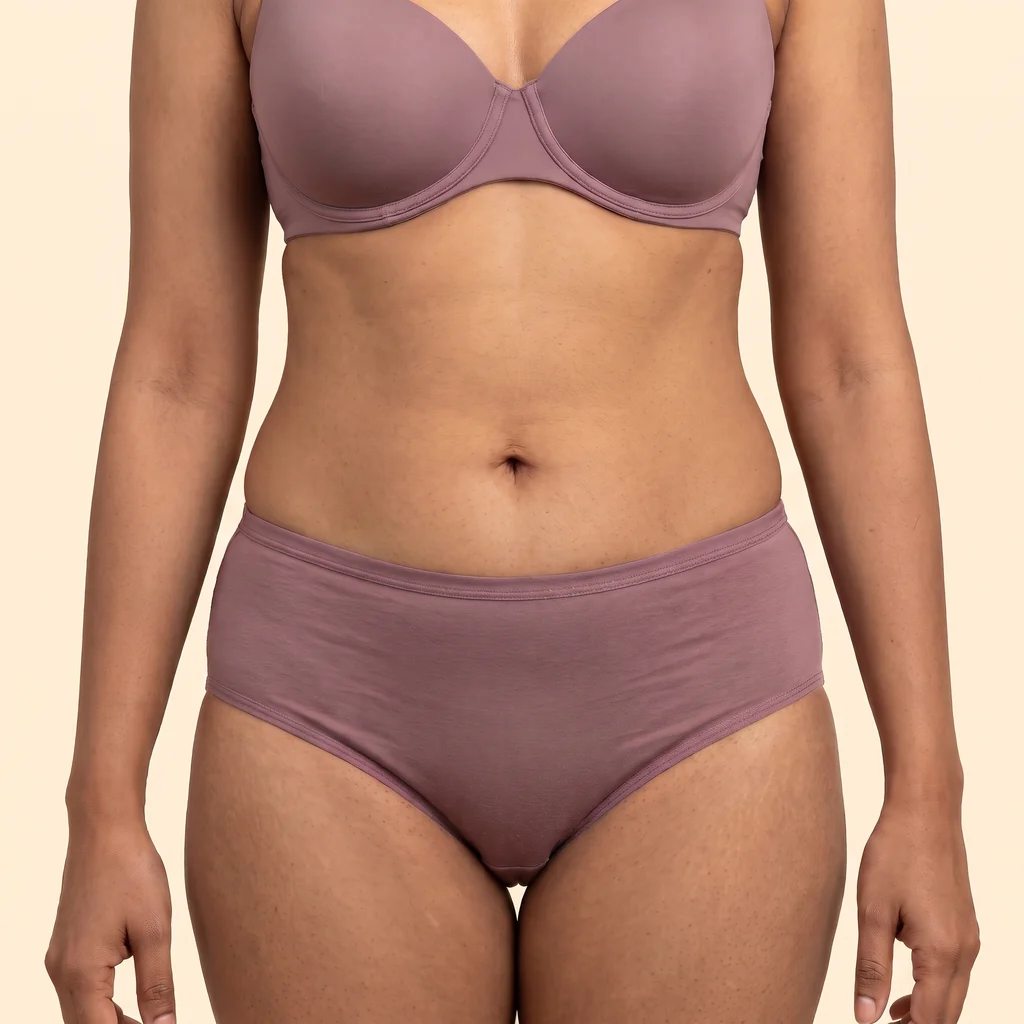
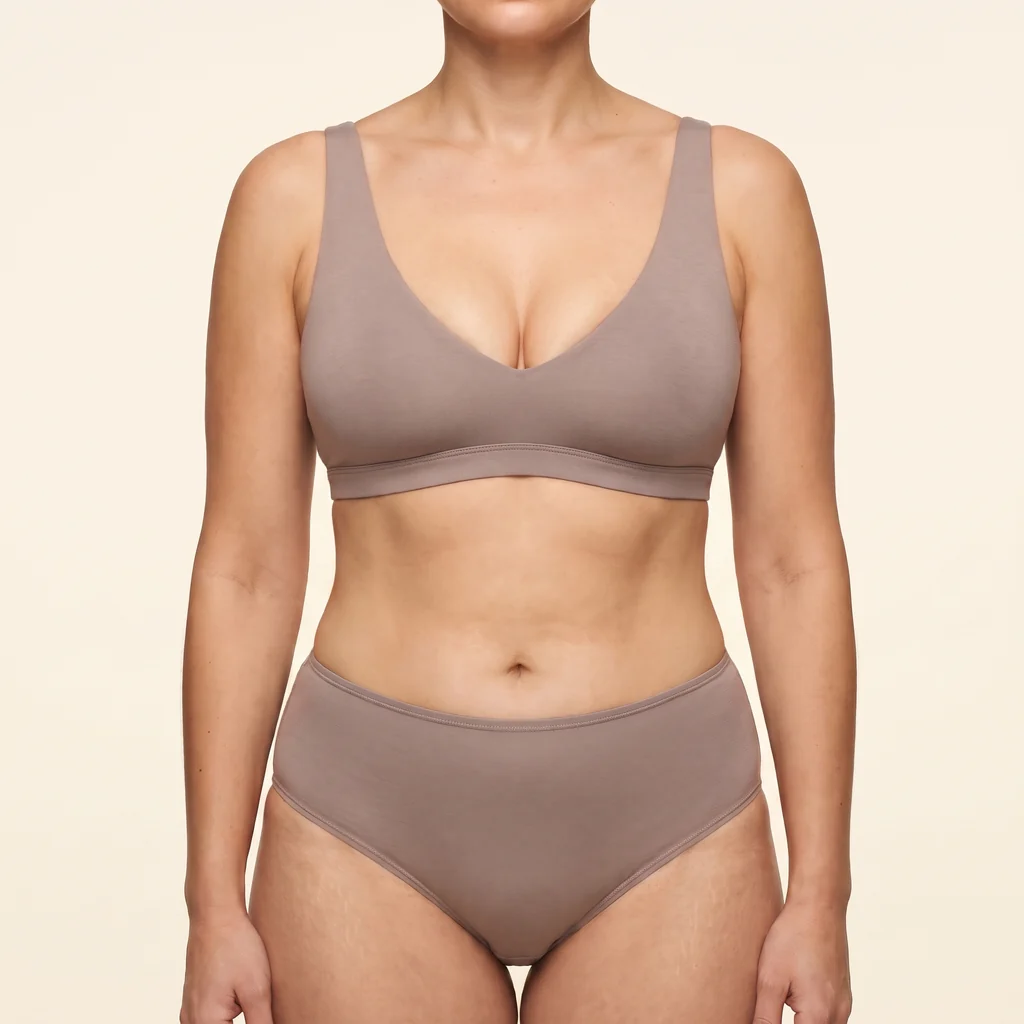
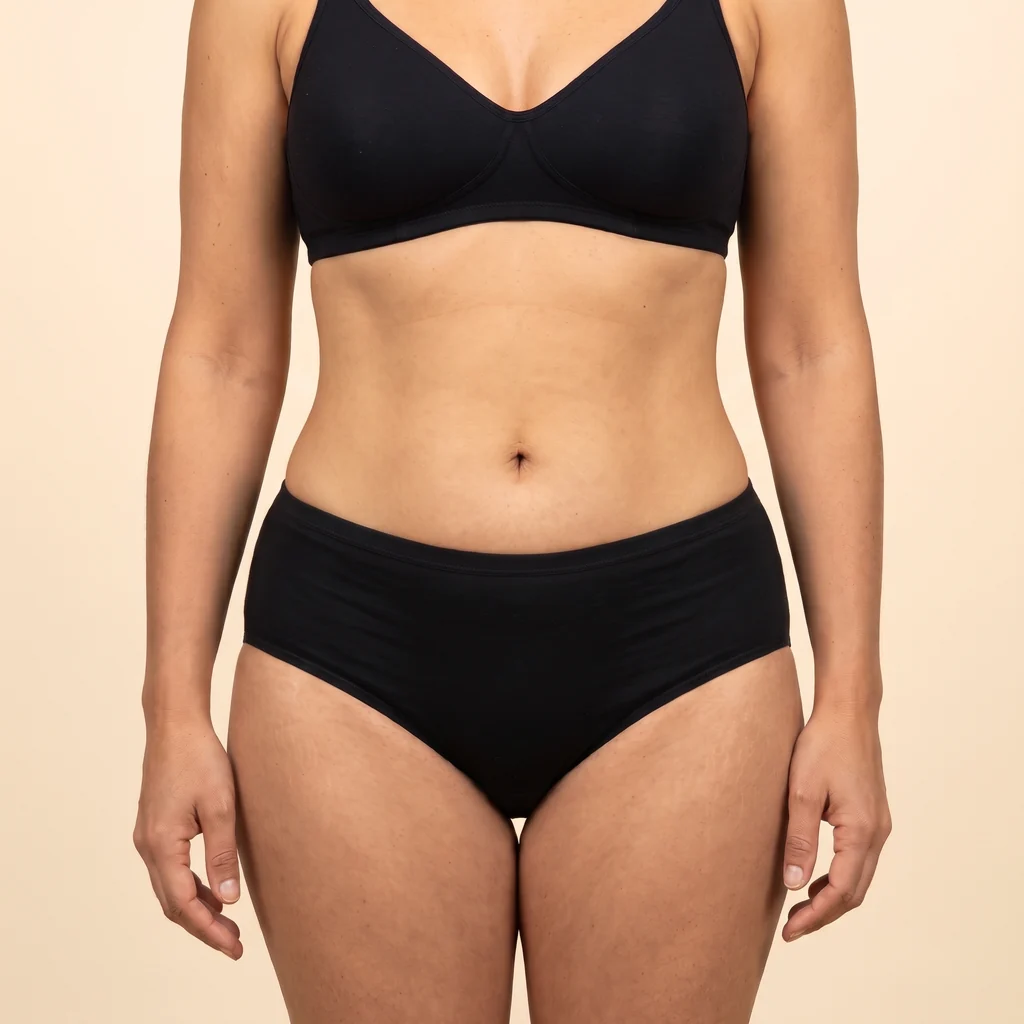
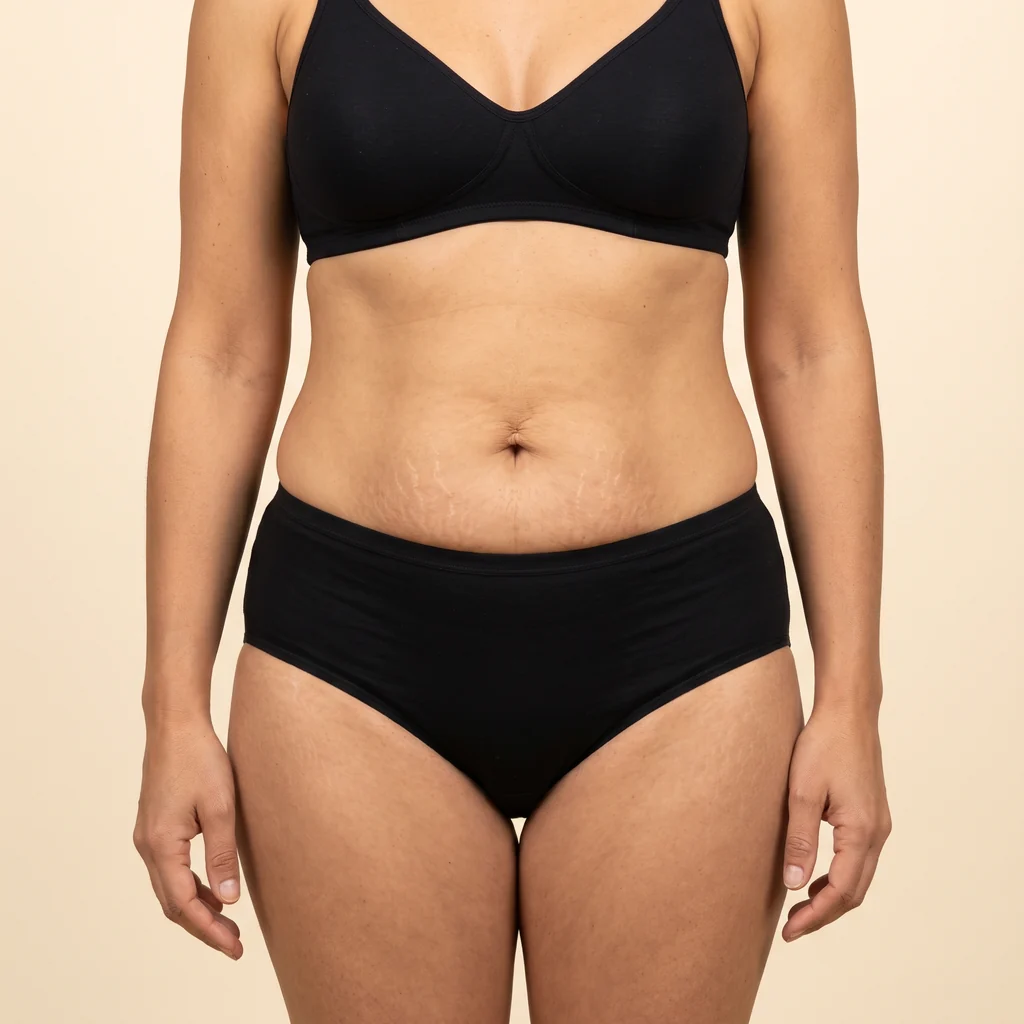
Abdominoplasty corrects deformities of the abdominal wall that exercise or diet cannot improve. It involves removing the excess skin and fat located mainly below the navel, tightening the remaining skin and, most often, bringing together the rectus abdominis muscles when they have separated (diastasis). The navel is repositioned in the centre of the new abdominal wall, and liposuction of the flanks may be added to harmonise the waist. Unlike the mini tummy tuck, it treats the entire abdomen, above and below the navel. It leaves a low, horizontal scar that can be hidden under underwear; the indication is confirmed by the surgeon after examination.
What the procedure can correct
- Excess abdominal skin after pregnancies
- Loose skin after significant weight loss
- Separation of the abdominal muscles (diastasis)
- Protruding belly despite exercise
- Stretch marks below the navel
- Fold of skin hanging over the pubic area
The ideal candidate
A person in good health, at a stable weight, bothered by laxity of the skin and muscles of the abdomen. It is preferable not to be planning any further pregnancies, which could compromise the result, and to wait until breastfeeding has ended. Smoking must be stopped for several weeks before and after the procedure, as it significantly increases the risk of healing problems.
The technique
A horizontal incision is made above the pubic area, from one hip to the other, its length depending on the amount of excess skin, together with an incision around the navel. The skin and fat are lifted up to the rib margin, the rectus abdominis muscles are brought together with strong sutures if necessary, then the excess is removed and the skin pulled down taut before the navel is re-inset in its proper place. The procedure is performed under general anaesthesia. Drains may be left in for a few days, and an abdominal binder is worn for several weeks.
Your stay, step by step
- 1
Arrival and consultation
Welcome by your coordinator, examination and pre-operative consultation with the practitioner, who confirms the treatment plan.
- 2
Procedure
General · 2.5–4 h
- 3
Monitoring in the clinic
Hospital stay: 1–3 nights. The care team looks after your comfort and post-operative monitoring.
- 4
Check-up before departure
Follow-up visit, care, instructions and prescription before your flight home. Recommended stay: 10–12 days.
- 5
Remote follow-up
Back home, you send your photos and stay in touch with the practitioner through your patient area, for up to 12 months.
Risks and recovery
The usual after-effects include abdominal pain and tightness, swelling, bruising and a temporary decrease in skin sensation below the navel; a slightly bent-forward posture is advised for the first few days. Possible complications include seroma, haematoma, infection, delayed healing or compromised skin healing, which are more common in smokers, a widened or thick scar, as well as a risk of venous thrombosis or pulmonary embolism, which is prevented by appropriate measures. Your surgeon will explain these in detail during the consultation.
The information on this page is provided for guidance only and does not replace a medical consultation. Every procedure carries risks; the indication is made by the practitioner after examination, and results vary from person to person.
Frequently asked questions
Will the scar be visible?
The scar is permanent, but it is placed low so that it can be hidden by a swimsuit or underwear. It remains pinkish for several months and then gradually fades, generally over one to two years.
Can I have a baby after a tummy tuck?
It is possible, but a later pregnancy may stretch the skin and muscles again. This is why it is advisable to have the procedure once you have completed your family.
When will I be able to fly?
The return flight is planned for the end of the recommended stay, after the post-operative check. Your surgeon may prescribe preventive treatment against phlebitis; wearing compression stockings and walking regularly during the flight are recommended.