Medical description
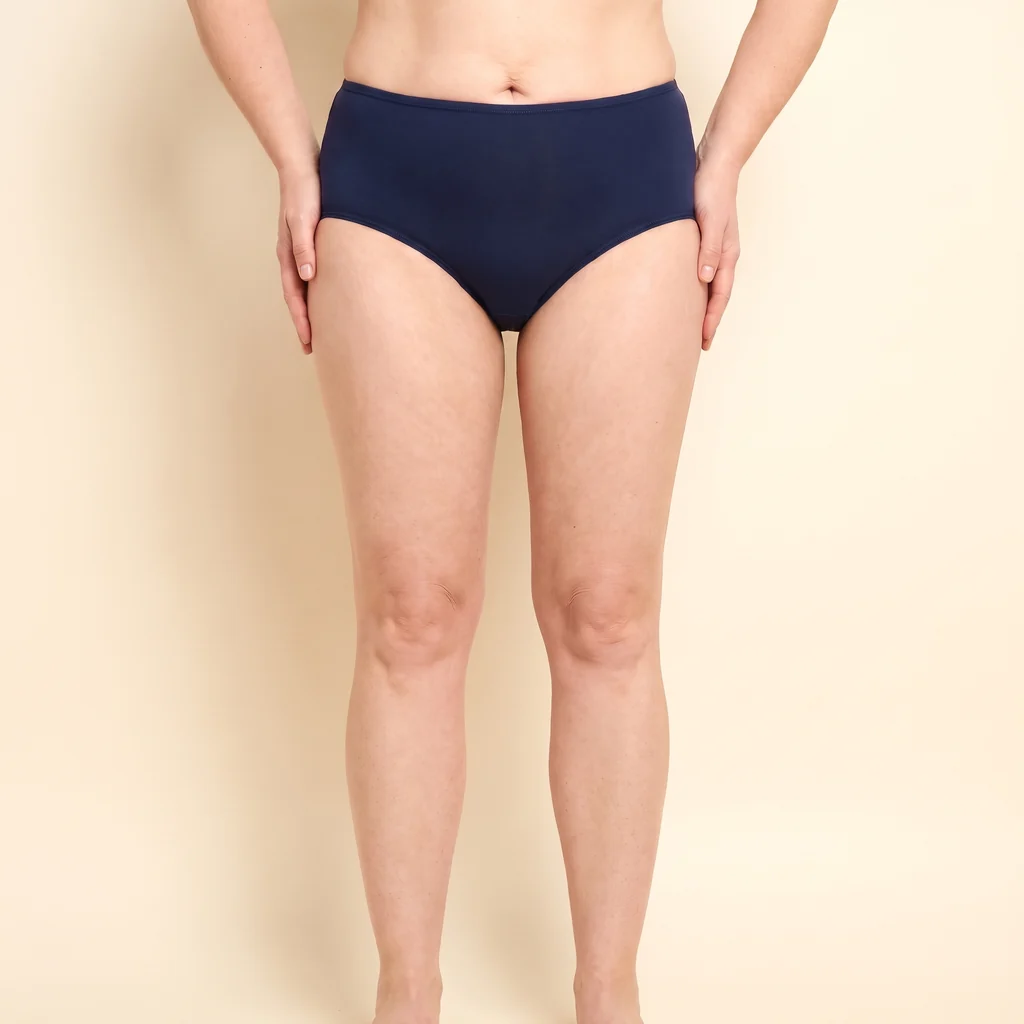
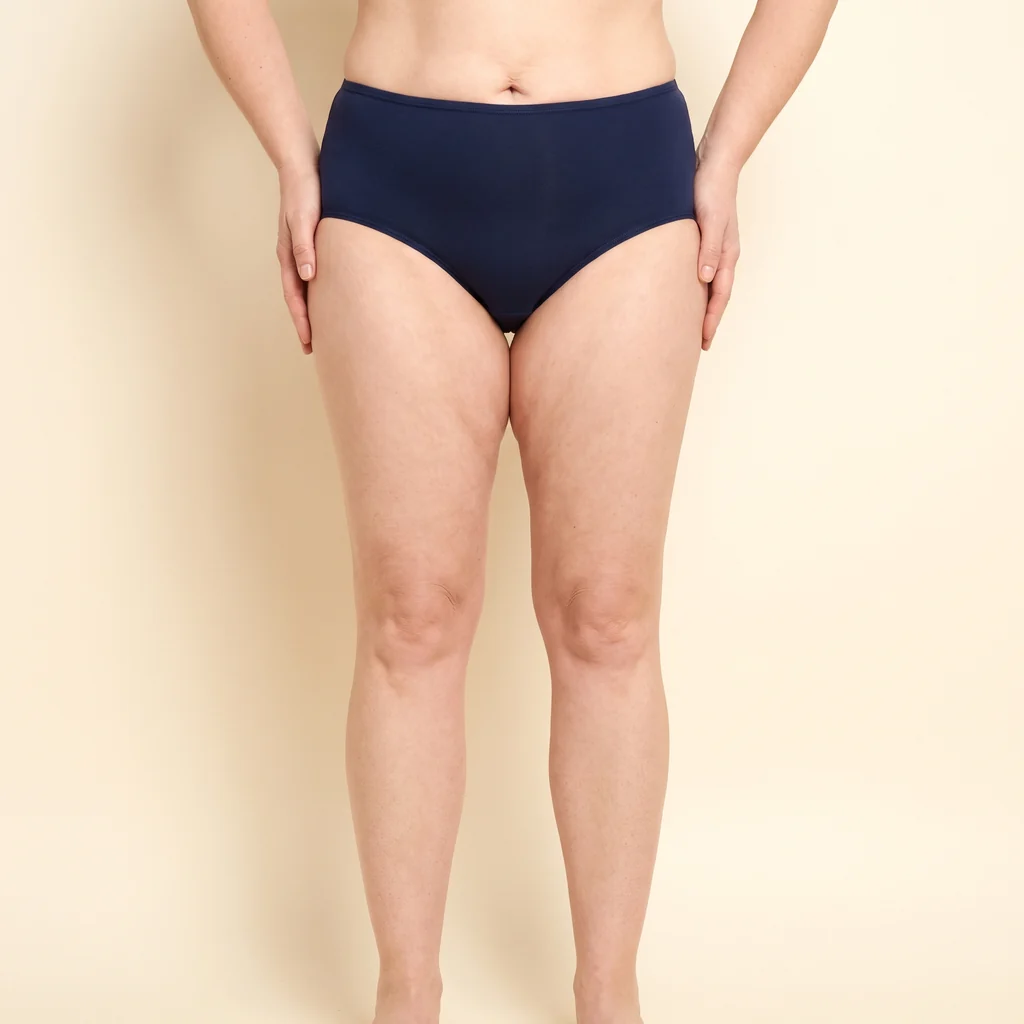
The thigh lift, or cruroplasty, removes excess skin and fat from the inner thighs and tightens the tissues to restore a firmer contour. There are two main forms: the horizontal lift, with the scar hidden in the groin crease, suitable for laxity limited to the upper thigh, and the vertical lift, with a scar running down the inner thigh, which is necessary when the excess extends towards the knee. Liposuction is often added. The tissues in this area are thin and healing there is delicate, which calls for rigorous care. The type of lift is chosen by the surgeon after examination.
What the procedure can correct
- Sagging skin on the inner thighs
- Excess skin after significant weight loss
- Rubbing and irritation between the thighs
- Crinkled appearance of the thigh skin
- Excess fat resistant to exercise
The ideal candidate
A person in good health, whose weight has stabilised, with excess skin on the thighs that exercise or liposuction alone cannot correct. After bariatric surgery, it is advisable to wait until the weight has stabilised. Stopping smoking and rigorous hygiene are essential, given the proximity of the genital area.
The technique
Depending on the extent of the laxity, the incision is placed in the groin crease (horizontal lift) or extended with a vertical incision on the inner thigh (vertical or T-shaped lift). After any liposuction, the excess skin is removed and the skin is anchored to strong deep structures to limit migration of the scar and distortion of the genital area. The procedure is performed under general anaesthesia. Compression shorts are worn for several weeks, and drains may be left in for a few days.
Your stay, step by step
- 1
Arrival and consultation
Welcome by your coordinator, examination and pre-operative consultation with the practitioner, who confirms the treatment plan.
- 2
Procedure
General · 2.5–3.5 h
- 3
Monitoring in the clinic
Hospital stay: 1–2 nights. The care team looks after your comfort and post-operative monitoring.
- 4
Check-up before departure
Follow-up visit, care, instructions and prescription before your flight home. Recommended stay: 10–12 days.
- 5
Remote follow-up
Back home, you send your photos and stay in touch with the practitioner through your patient area, for up to 12 months.
Risks and recovery
The usual after-effects include swelling of the thighs and legs, which is sometimes prolonged, bruising and discomfort when walking and sitting in the first few days. Possible complications are wound separation, which is more common in this area, seroma, haematoma, infection, migration or widening of the scar, persistent lymphoedema and venous thrombosis. Your surgeon will explain these in detail during the consultation.
The information on this page is provided for guidance only and does not replace a medical consultation. Every procedure carries risks; the indication is made by the practitioner after examination, and results vary from person to person.
Frequently asked questions
Where is the scar?
It is located in the groin crease for a horizontal lift, and also runs down the inner thigh for a vertical lift. Your surgeon chooses the technique that offers the most suitable balance between correction and discretion.
Wouldn't liposuction alone be enough?
When the skin is still elastic and the excess is mainly fat, liposuction may be enough. If the skin is loose, however, only skin removal can tighten it, and liposuction alone could make the laxity worse.
When will I be able to fly?
The return flight is planned for the end of the recommended stay, after healing has been checked. Wearing compression garments and walking regularly during the flight are recommended to limit the risk of phlebitis.