Medical description
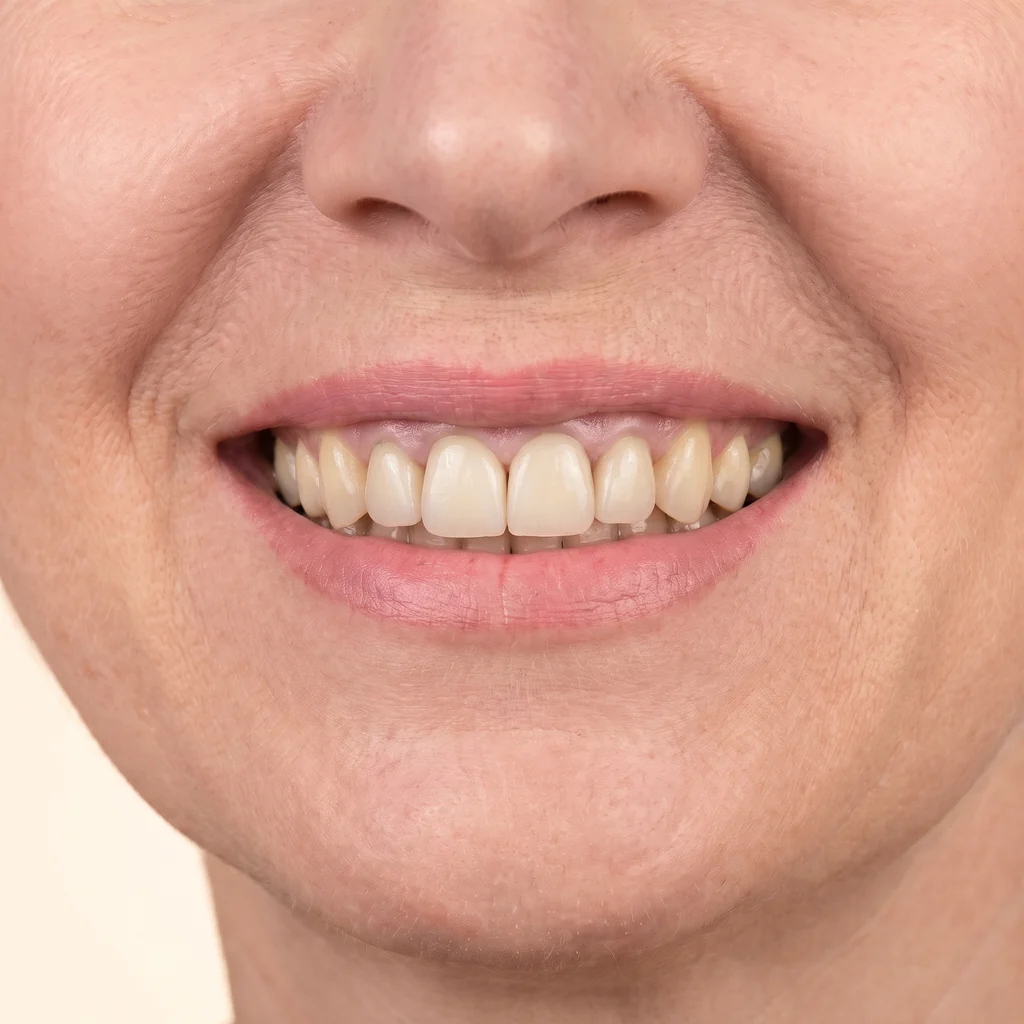
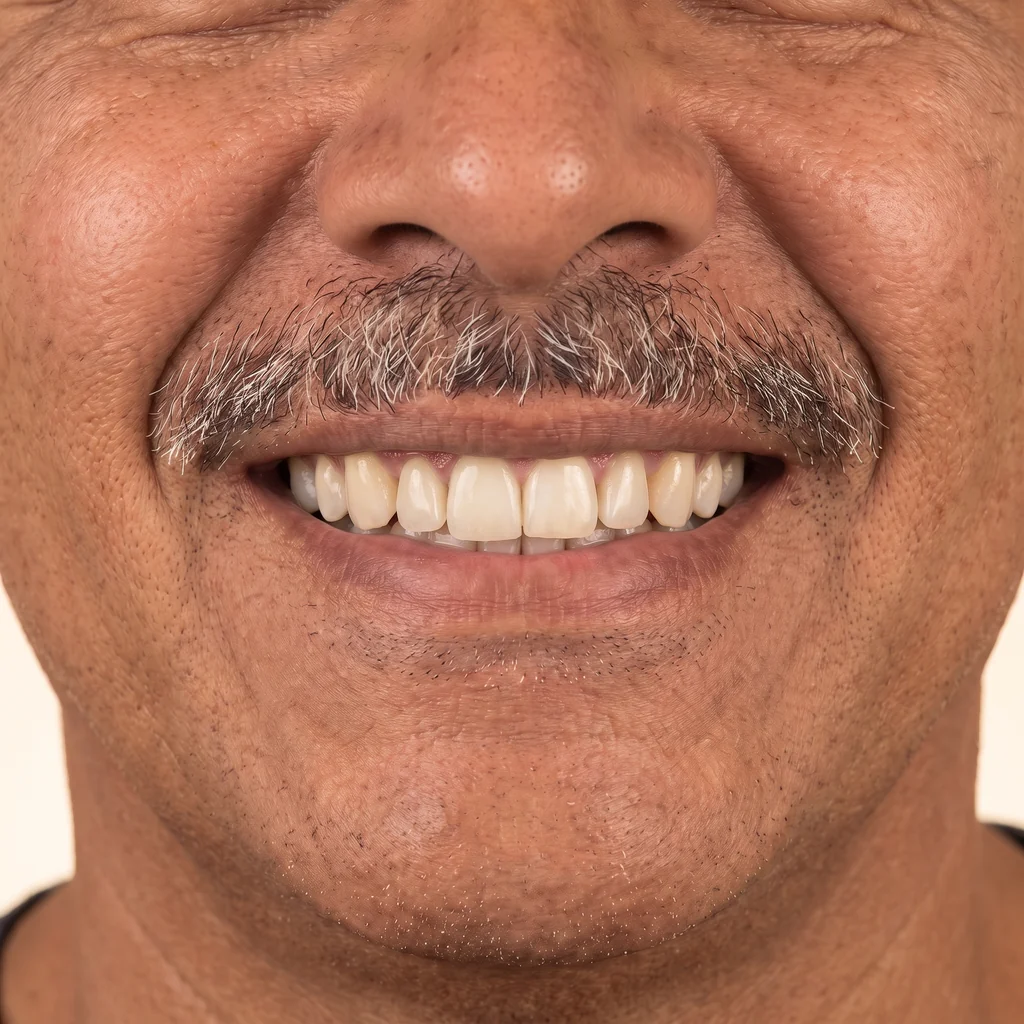
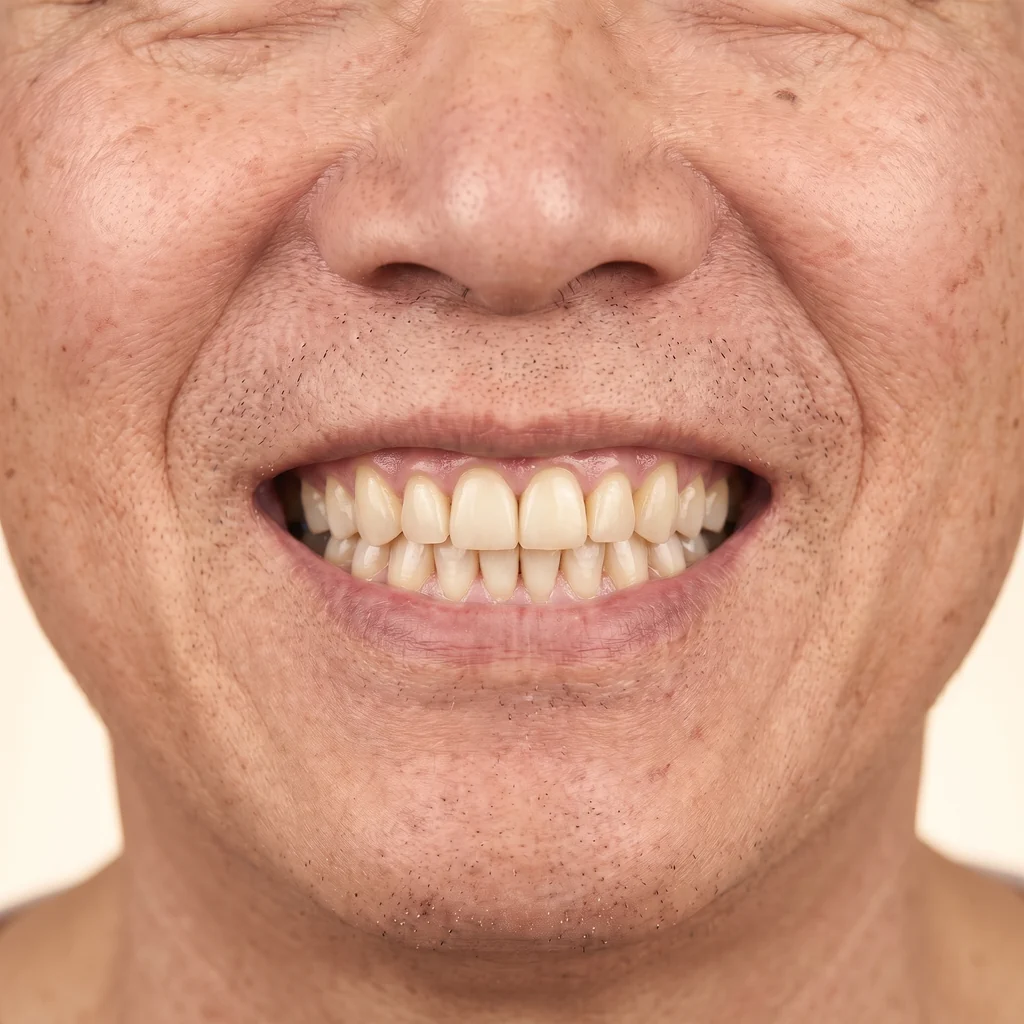
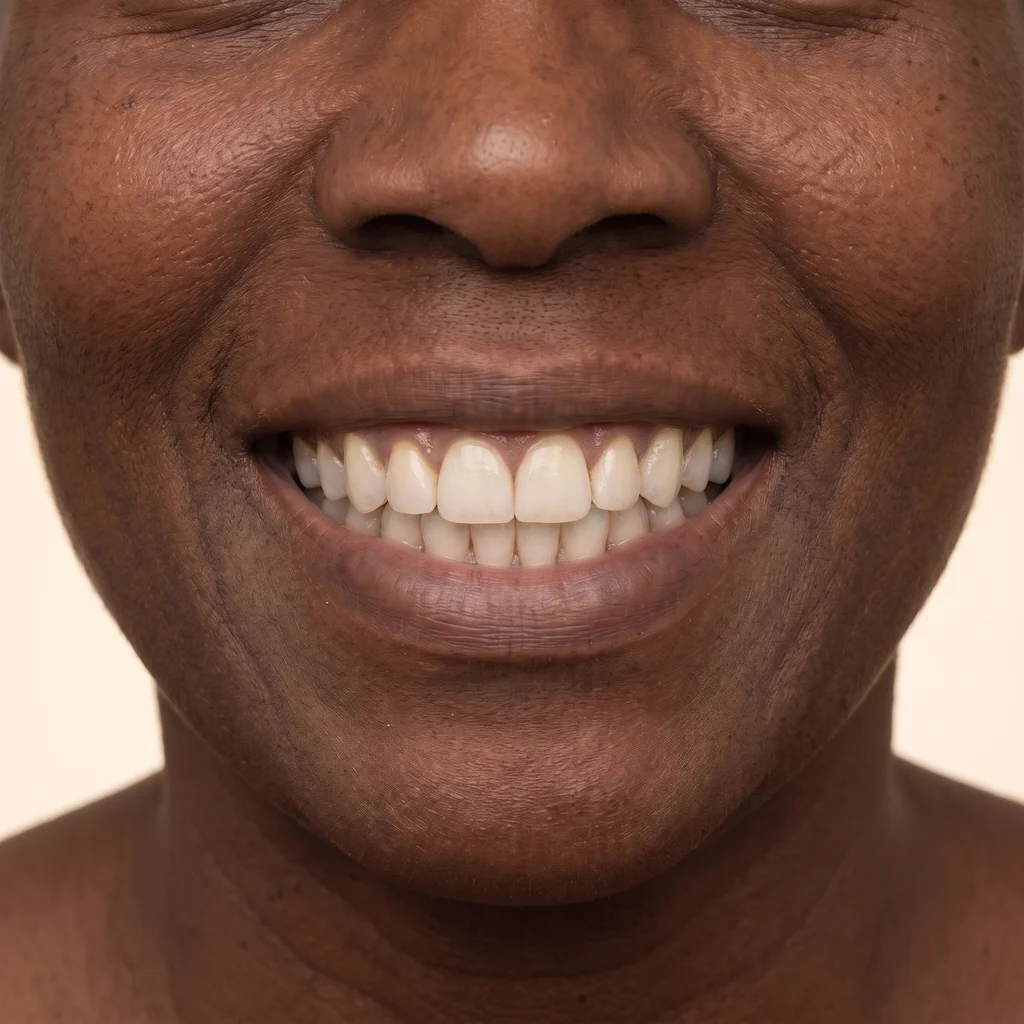
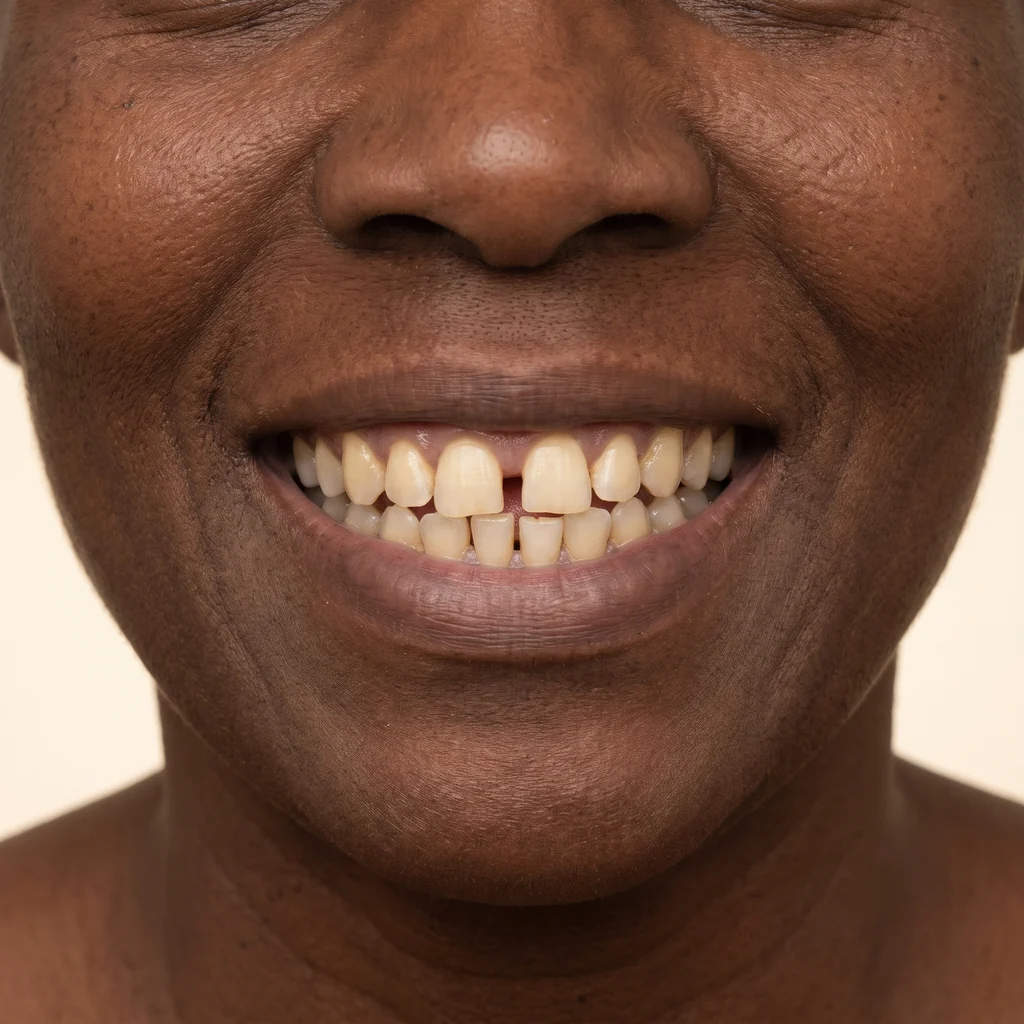
The Hollywood Smile refers to a cosmetic rehabilitation of the entire smile, rather than a single technique. It generally combines veneers and/or crowns on the teeth visible when you smile, often eight to twenty teeth depending on the width of the smile, sometimes complemented by whitening or gum contouring. The aim is to harmonise the shade, shape, length and apparent alignment of the teeth while respecting the proportions of the face. This approach calls for particular caution: a very white, uniform smile can be achieved at the cost of excessive grinding of healthy teeth. A considered approach favours the most conservative solutions, such as thin veneers, and reserves crowns for teeth that genuinely justify them.
What the procedure can correct
- Dull, uneven or unharmonious smile
- Discoloured, worn or unevenly sized teeth
- Visible, mismatched old restorations
- Gaps or slight misalignment between the teeth
- Gummy smile combined with short teeth
The ideal candidate
This treatment is intended for adults whose teeth, roots and gums are healthy or have been treated, and who wish to transform their smile as a whole. Significant bruxism, gum disease or unrealistic expectations of whiteness should be discussed beforehand. Your dentist confirms the indication after examination and may suggest a more conservative alternative, such as orthodontics or whitening, when it can achieve the goal.
The technique
The project begins with a full assessment, photographs and an intraoral scan, which allow a digital smile design and often a trial in the mouth using a temporary mock-up. Under local anaesthesia, the dentist then prepares the teeth as conservatively as possible, takes impressions and fits temporary restorations. The final veneers and crowns are made in the laboratory, tried in, adjusted to the bite and then bonded or cemented during a second series of appointments.
Your stay, step by step
- 1
Arrival and consultation
Welcome by your coordinator, examination and pre-operative consultation with the practitioner, who confirms the treatment plan.
- 2
Procedure
Local · 2–4 h
- 3
Back to the hotel
Day-case treatment: you return to your hotel the same day, accompanied.
- 4
Check-up before departure
Follow-up visit, care, instructions and prescription before your flight home. Recommended stay: 6–8 days.
- 5
Remote follow-up
Back home, you send your photos and stay in touch with the practitioner through your patient area, for up to 12 months.
Risks and recovery
Sensitivity to hot and cold, gum discomfort and a period of adjustment when chewing are usual in the first few days. A ceramic restoration may come loose or fracture, the gums may become inflamed or recede and, especially after extensive preparation, the nerve may be affected, requiring root canal treatment. As tooth preparation is usually irreversible, the restorations will need to be maintained and renewed over the years. Your dentist will explain these in detail during the consultation.
The information on this page is provided for guidance only and does not replace a medical consultation. Every procedure carries risks; the indication is made by the practitioner after examination, and results vary from person to person.
Frequently asked questions
Will my teeth be filed down?
It depends on the treatment plan: thin veneers require only limited preparation of the enamel, whereas crowns require more extensive reduction. Do not hesitate to ask your dentist how many teeth will be prepared, and why.
Will the result look natural?
The appearance depends mainly on the shade and shape chosen, discussed with your dentist in relation to your face and complexion. A shade that is too white or teeth that are too uniform accentuate an artificial look.
How long does a Hollywood Smile last?
Ceramic restorations can last many years with good oral hygiene and regular check-ups, but they are not permanent. Wearing a night guard is often advised if you grind your teeth.