Medical description
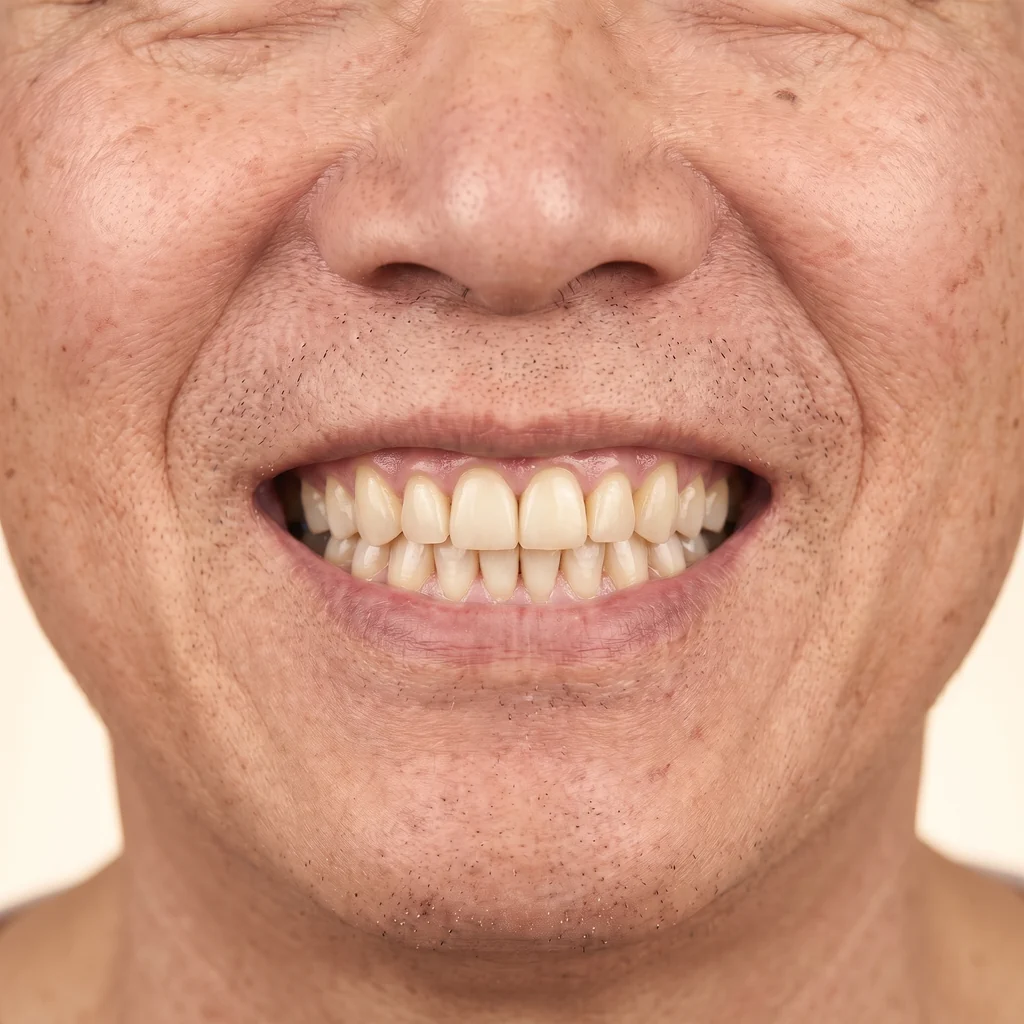
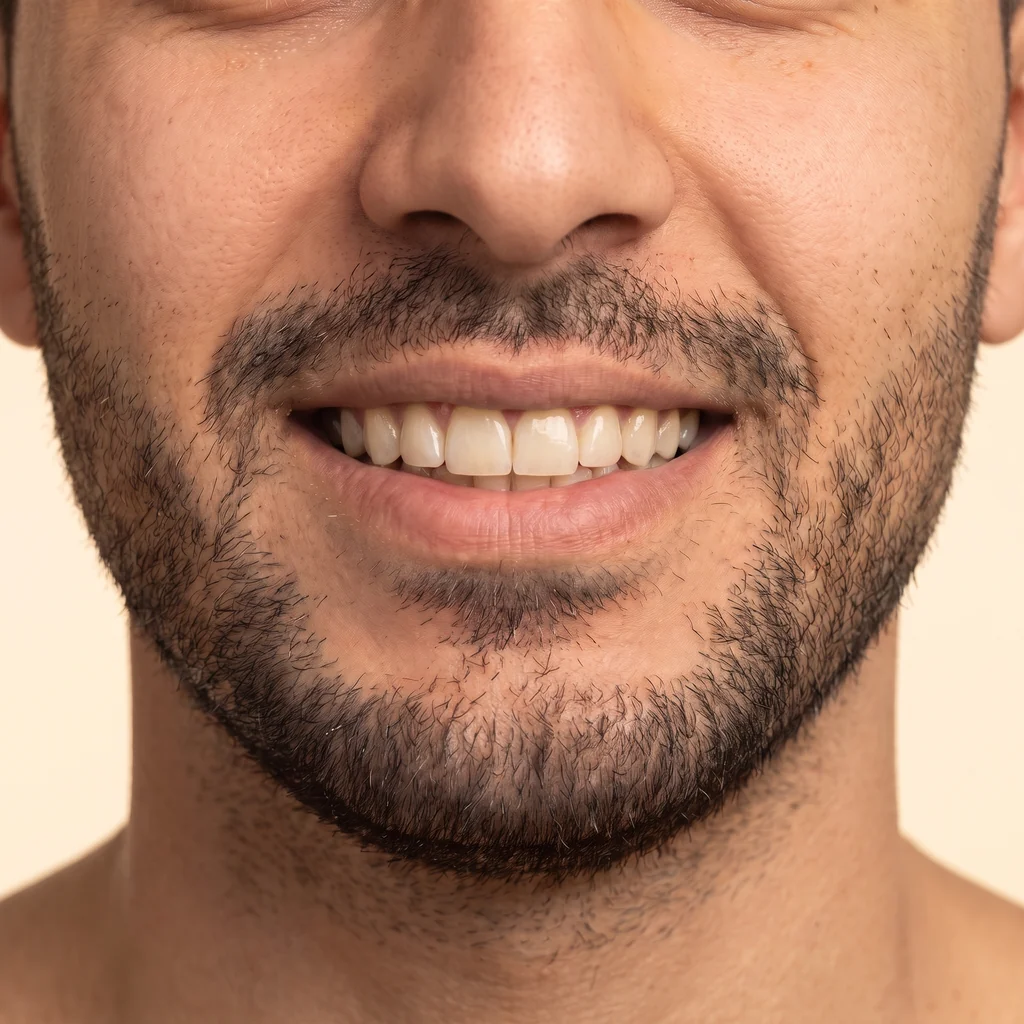
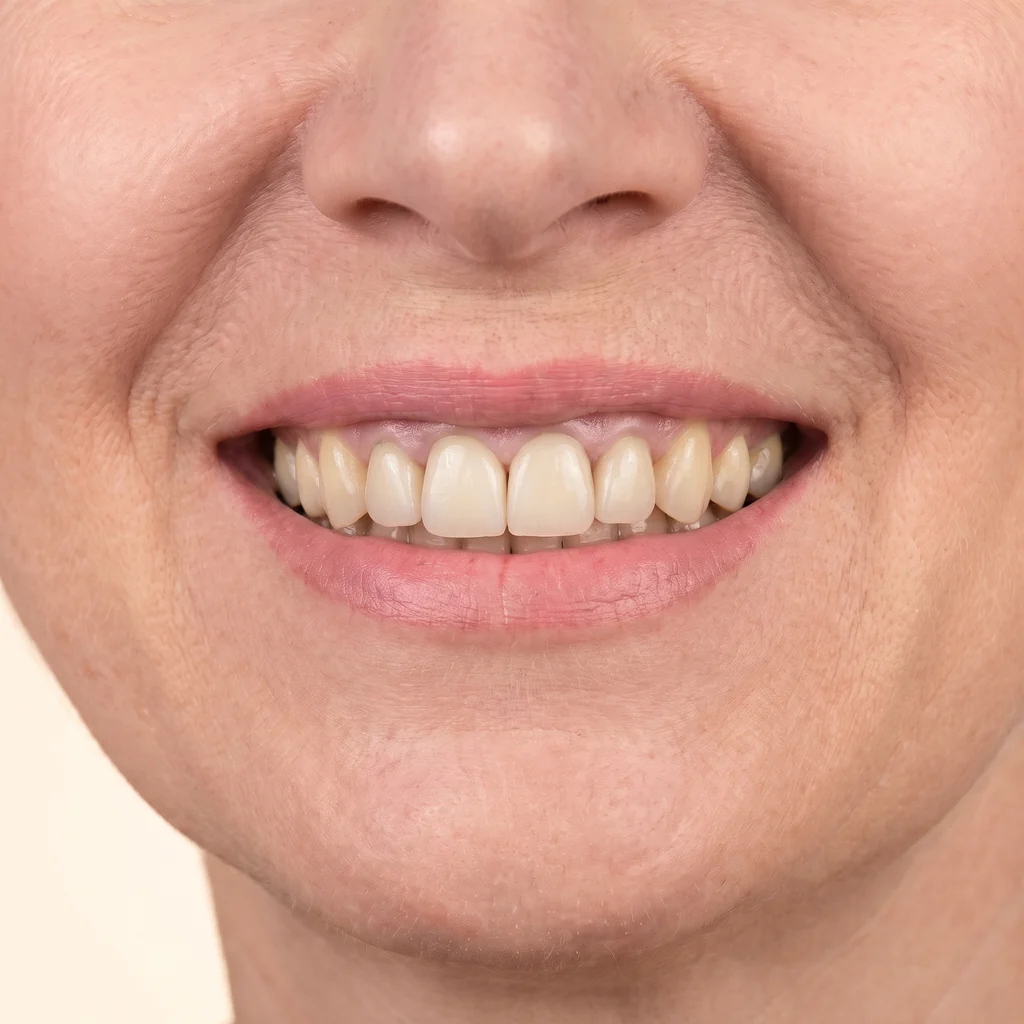
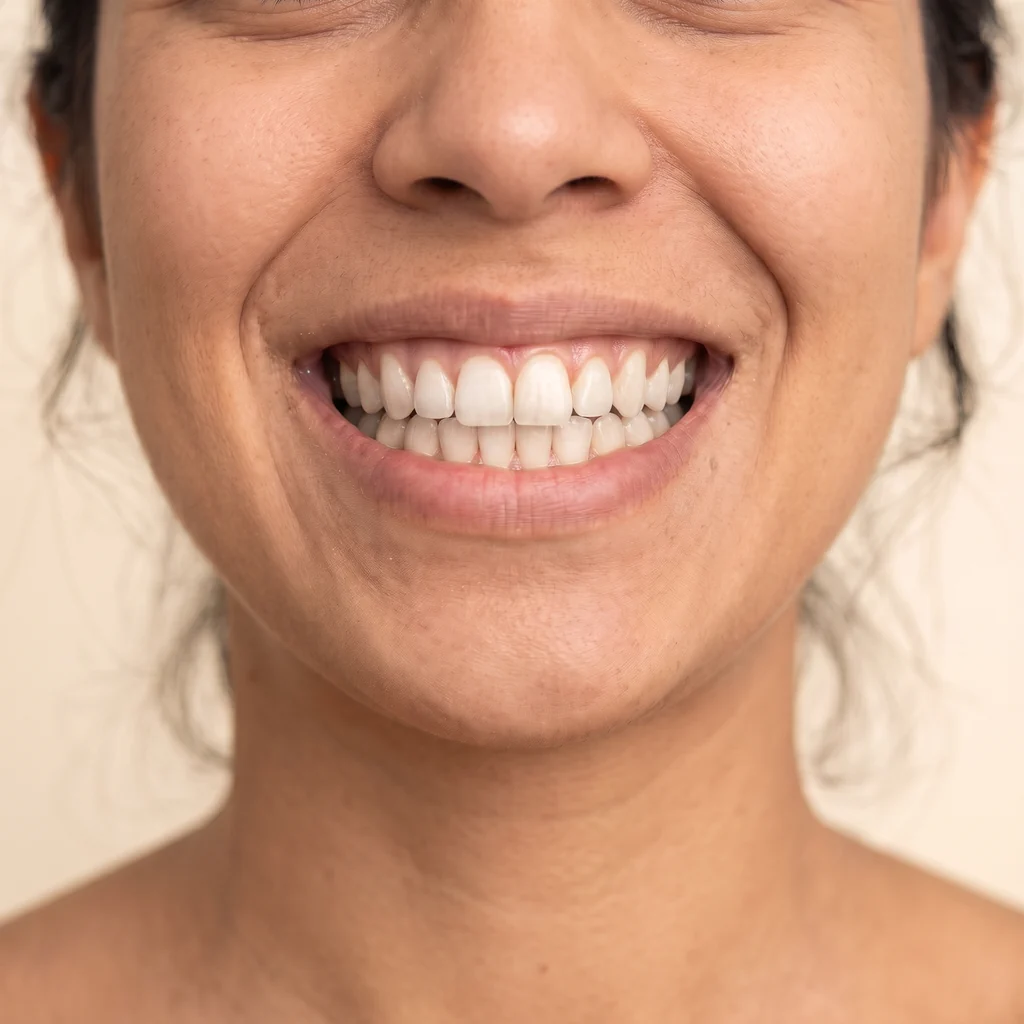
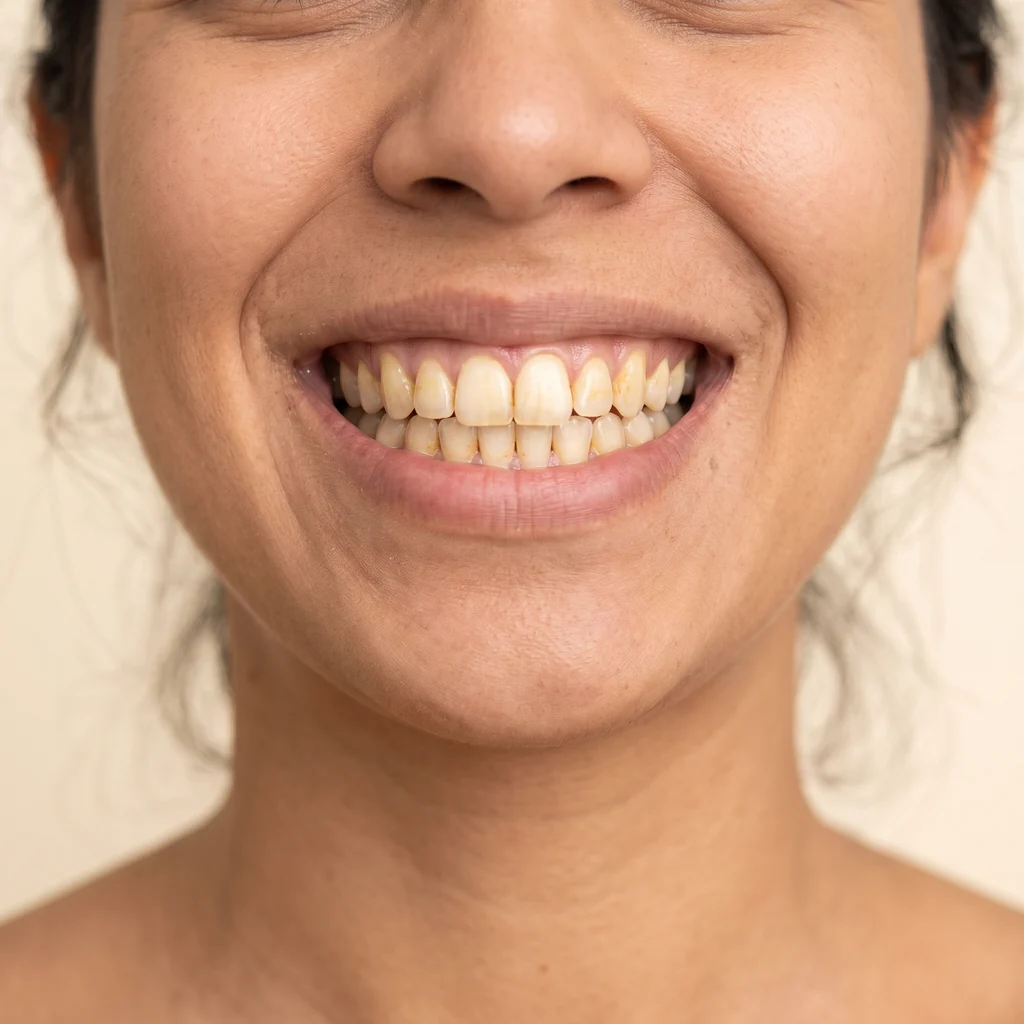
Teeth whitening aims to lighten the shade of natural teeth using a peroxide-based gel, which acts on the pigments in the enamel and dentine. Performed in the clinic, it allows higher concentrations to be used than at home, under supervision, with protection for the gums. It is a non-invasive treatment that alters neither the shape nor the structure of the teeth, unlike veneers or crowns. The degree of lightening varies according to the cause of the discolouration: it is generally more marked on yellow shades than on grey shades. The result is not permanent and gradually fades depending on diet and habits, and existing crowns, veneers and composite fillings do not whiten.
What the procedure can correct
- Teeth yellowed with age
- Stains caused by coffee, tea or tobacco
- Dull smile before a special occasion
- Preparing the shade before veneers
The ideal candidate
Whitening is suitable for adults whose teeth and gums are healthy, with no untreated decay or cracks. It is not advised during pregnancy and breastfeeding, for minors or in cases of high tooth sensitivity, and it is not very effective on certain deep stains caused by medication. Your dentist confirms the indication after examination and checks beforehand for any visible restorations that will not change shade.
The technique
After an examination and often a scale and polish, the starting shade is measured and the gums are protected with an insulating barrier. The whitening gel is applied to the teeth in several successive cycles, sometimes combined with a lamp depending on the protocol used. No anaesthesia is needed. A desensitising product may be applied at the end of the session, and take-home maintenance trays are sometimes offered.
Your stay, step by step
- 1
Arrival and consultation
Welcome by your coordinator, examination and pre-operative consultation with the practitioner, who confirms the treatment plan.
- 2
Procedure
None · 1–1.5 h
- 3
Back to the hotel
Day-case treatment: you return to your hotel the same day, accompanied.
- 4
Check-up before departure
Follow-up visit, care, instructions and prescription before your flight home. Recommended stay: 1–2 days.
- 5
Remote follow-up
Back home, you send your photos and stay in touch with the practitioner through your patient area, for up to 12 months.
Risks and recovery
Temporary tooth sensitivity and gum irritation are the most common effects, generally in the days that follow. More lasting hypersensitivity, uneven lightening or a difference in shade with existing restorations may occur. Your dentist will explain these in detail during the consultation.
The information on this page is provided for guidance only and does not replace a medical consultation. Every procedure carries risks; the indication is made by the practitioner after examination, and results vary from person to person.
Frequently asked questions
Does whitening damage the enamel?
When carried out according to a protocol supervised by a dentist, it does not alter the structure of the enamel. Temporary sensitivity is, however, common.
How long does the result last?
The effect fades gradually, more or less quickly depending on your consumption of coffee, tea, red wine or tobacco. Maintenance sessions can be considered with your dentist.
What should I avoid after the session?
It is advisable to avoid strongly coloured foods and drinks as well as tobacco for the first few days, when the teeth are more susceptible to staining.