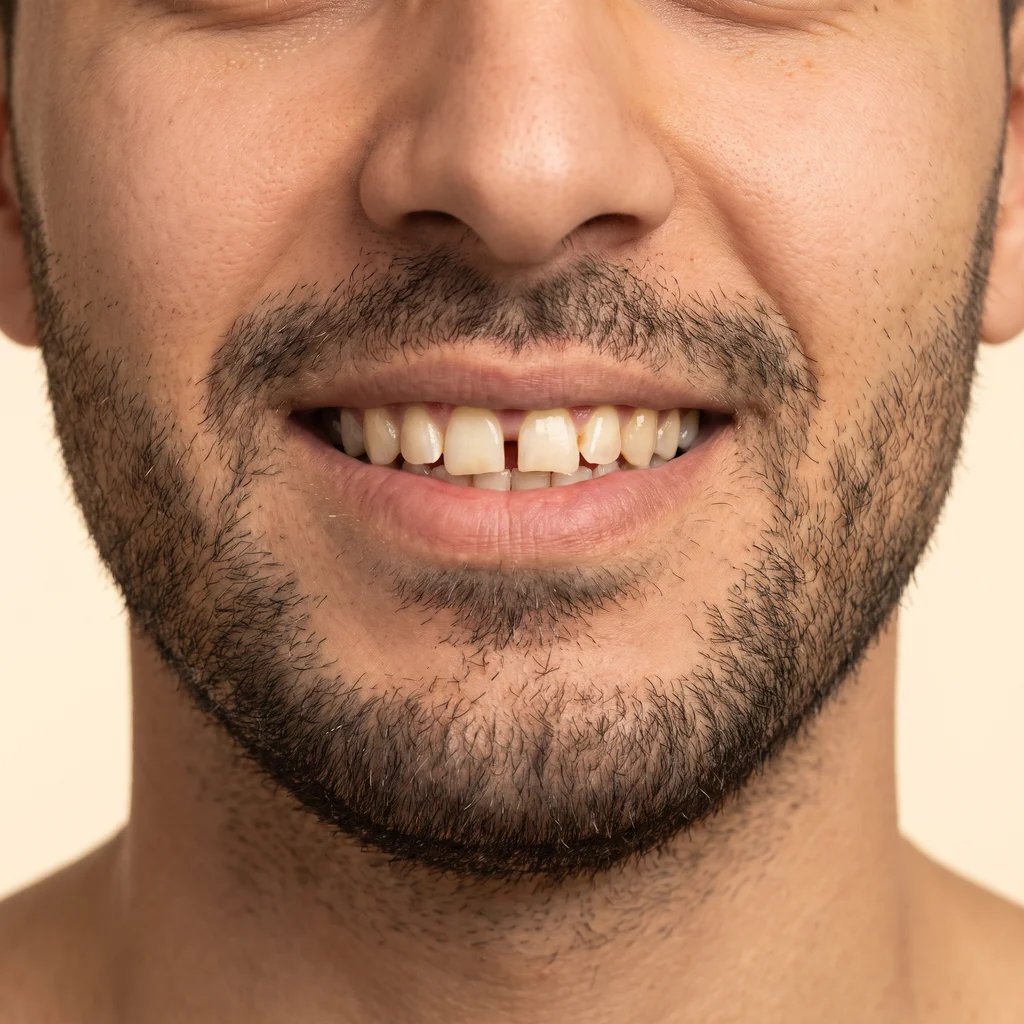
Medical description
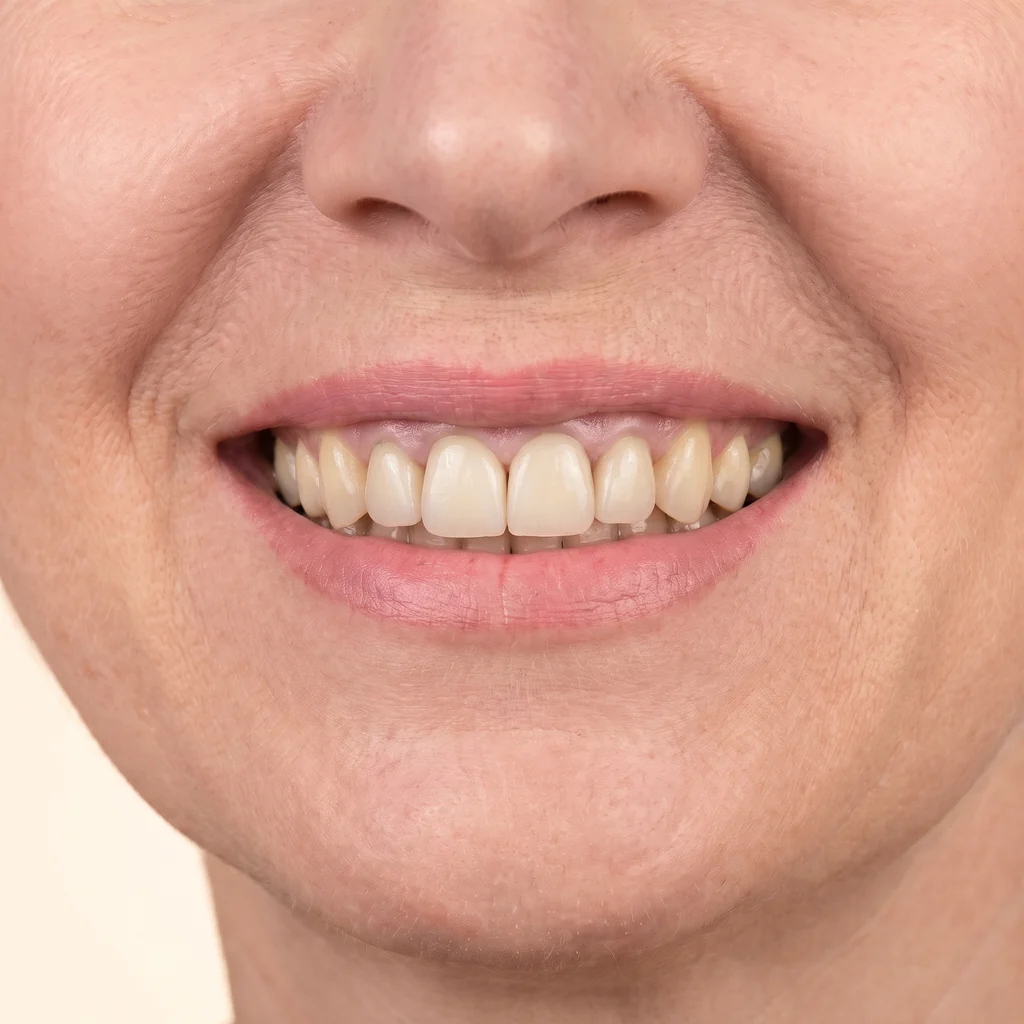
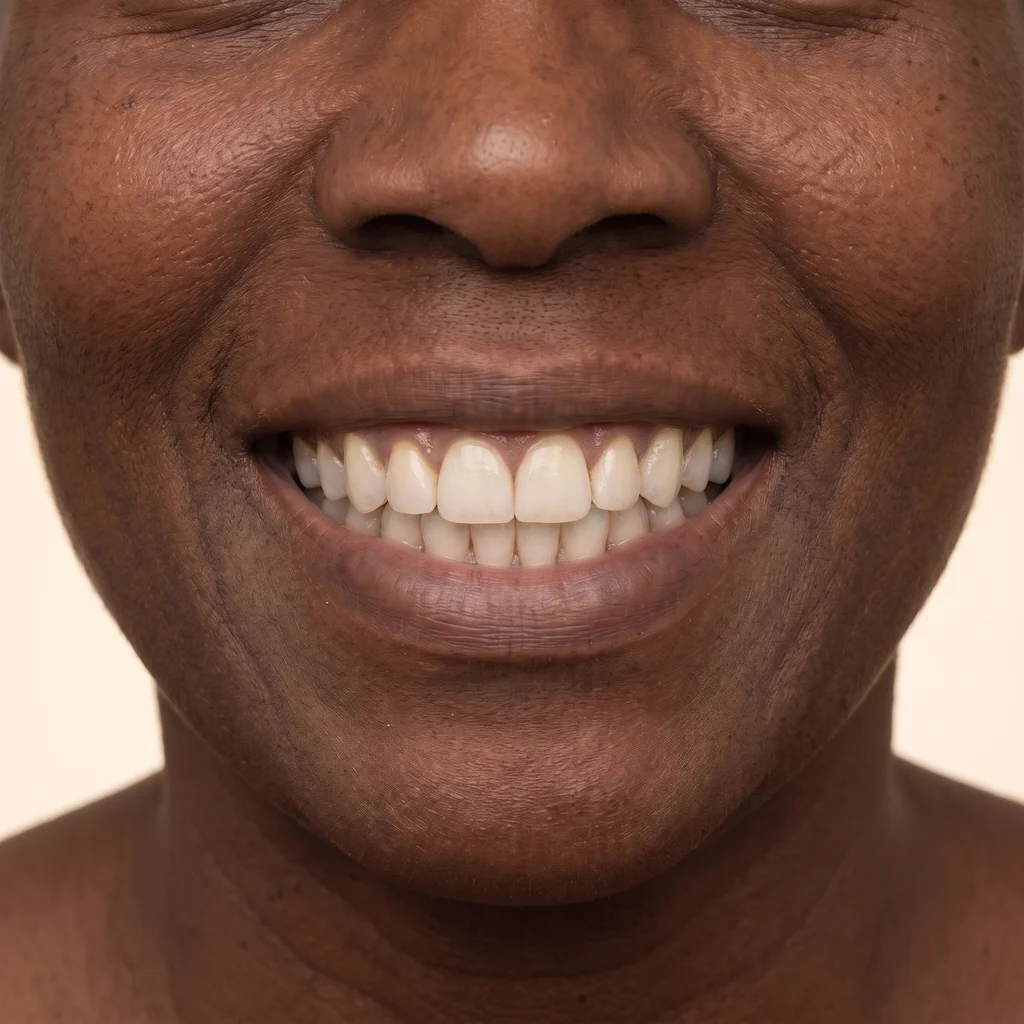
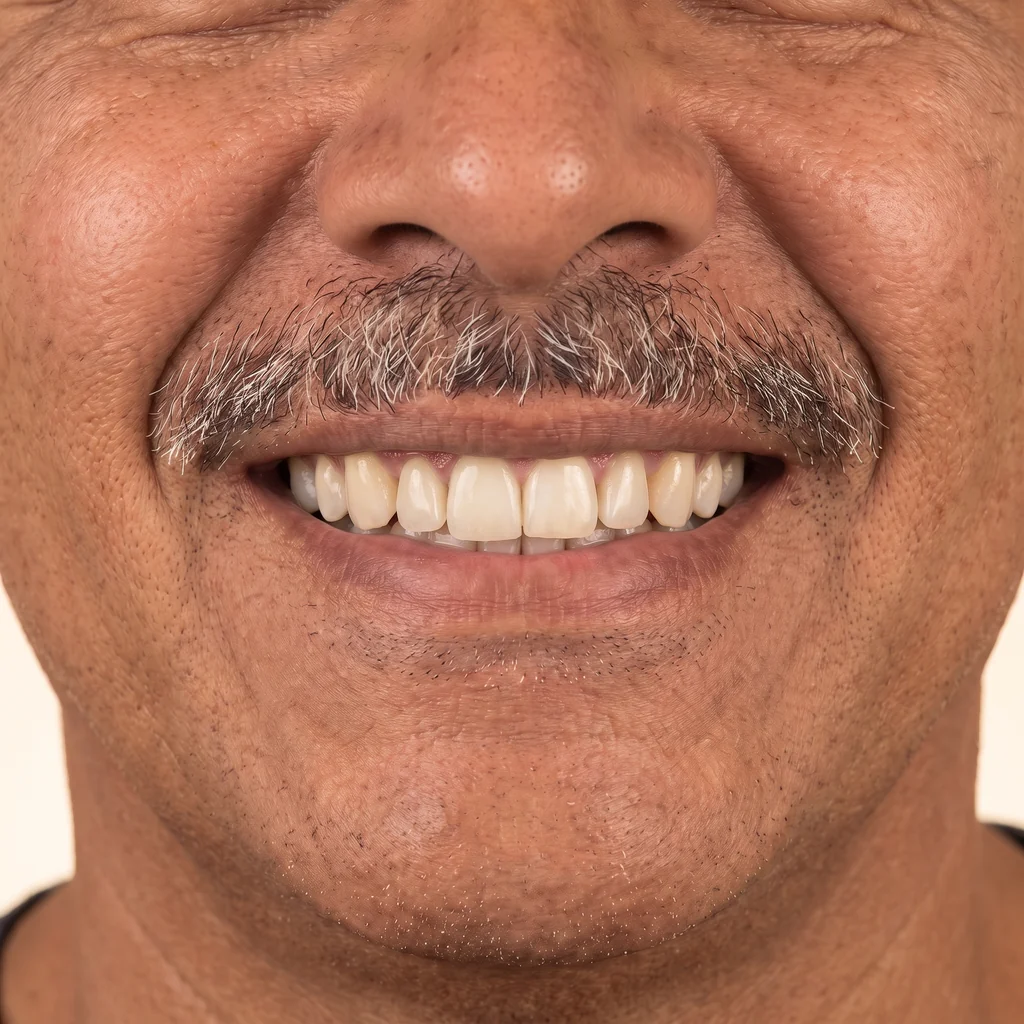
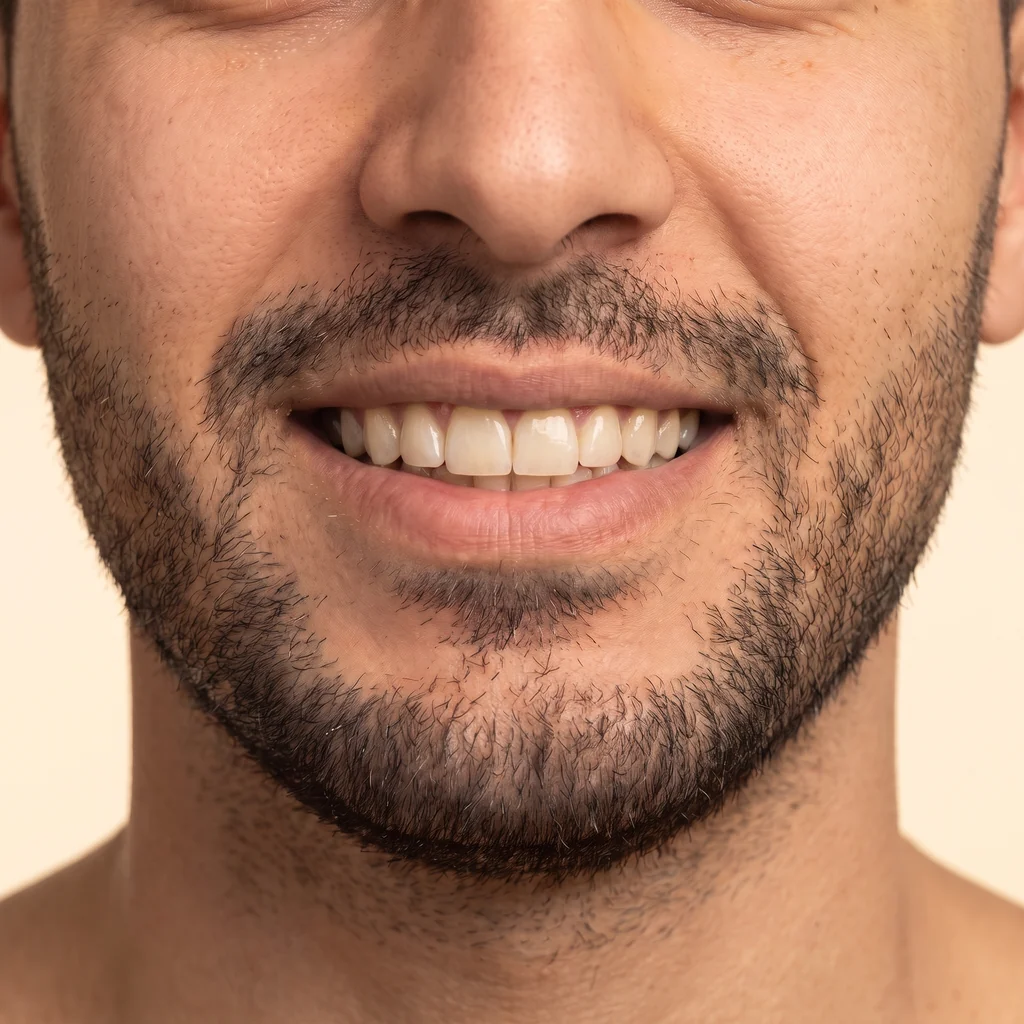
Dental veneers are thin restorations bonded to the front surface of the teeth visible when you smile. They aim to correct defects in shade, shape, size or slight misalignment that whitening cannot treat. Two materials are offered: ceramic (porcelain), made in the laboratory, colour-stable and durable, and composite, a resin sculpted directly in the mouth, which preserves more tooth tissue but is more prone to wear and staining. Placing a ceramic veneer usually requires preparation of the enamel, that is, a light grinding of the tooth surface. This step is generally irreversible: the tooth will then need to remain protected by a veneer or another restoration.
What the procedure can correct
- Discoloured teeth resistant to whitening
- Chipped, worn or irregularly shaped teeth
- Small gaps between the teeth
- Slight misalignment
- Teeth considered too short or disproportionate
- Smile lacking overall harmony
The ideal candidate
Veneers are intended for adults whose teeth and gums are healthy, with no decay or active gum disease. Tooth grinding (bruxism), a significant bite misalignment or inadequate oral hygiene can compromise their durability and must be assessed beforehand. Your dentist confirms the indication after clinical and X-ray examination, and may suggest a less invasive alternative when that is sufficient.
The technique
Treatment begins with an assessment, photographs and impressions or an intraoral scan, which often make it possible to preview your future smile. For ceramic veneers, the dentist prepares the enamel under local anaesthesia, takes a precise impression and fits temporary veneers while the final ones are made in the laboratory. At the next appointment, the final veneers are tried in, adjusted and then bonded one by one with an adhesive cement. Composite veneers, on the other hand, are sculpted and polished directly in the mouth, often with little or no preparation.
Your stay, step by step
- 1
Arrival and consultation
Welcome by your coordinator, examination and pre-operative consultation with the practitioner, who confirms the treatment plan.
- 2
Procedure
Local · 1–3 h
- 3
Back to the hotel
Day-case treatment: you return to your hotel the same day, accompanied.
- 4
Check-up before departure
Follow-up visit, care, instructions and prescription before your flight home. Recommended stay: 5–7 days.
- 5
Remote follow-up
Back home, you send your photos and stay in touch with the practitioner through your patient area, for up to 12 months.
Risks and recovery
Sensitivity to hot and cold and slight gum discomfort are common in the first few days. Later, a veneer may come loose or fracture, the margin or composite may stain, the gums may become inflamed and, more rarely, the nerve of the tooth may be affected, requiring treatment. Your dentist will explain these in detail during the consultation.
The information on this page is provided for guidance only and does not replace a medical consultation. Every procedure carries risks; the indication is made by the practitioner after examination, and results vary from person to person.
Frequently asked questions
Is having veneers fitted painful?
The preparation is carried out under local anaesthesia, and most patients then describe only temporary sensitivity. An ordinary painkiller is generally sufficient.
How long do veneers last?
Their lifespan depends on the material, oral hygiene and habits such as tooth grinding. Ceramic veneers generally last longer than composite, which requires more maintenance and touch-ups.
Should I have my teeth whitened before getting veneers?
This is often advisable when the neighbouring teeth will remain natural, as the shade of a veneer cannot be changed once it has been fitted. Your dentist will advise you on the most suitable order for your situation.