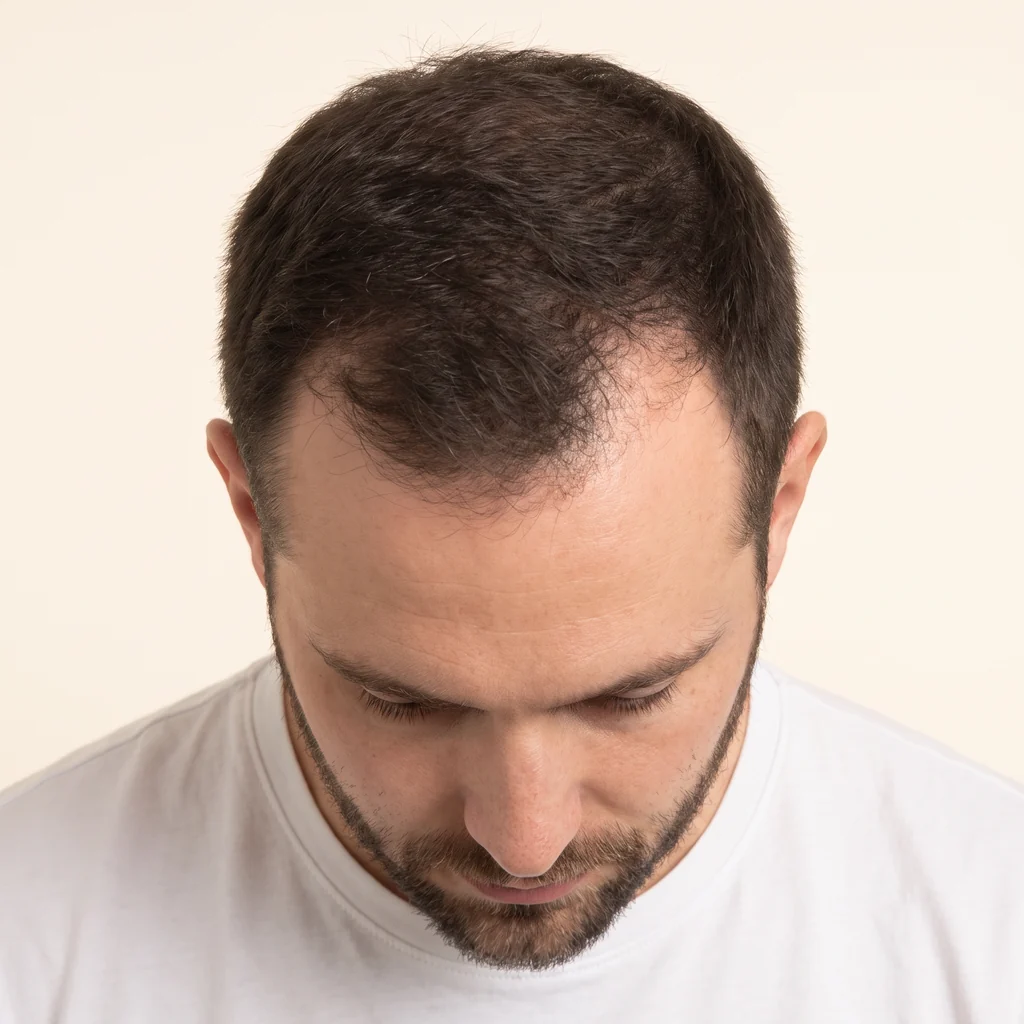
Medical description
DHI (Direct Hair Implantation) shares the same harvesting method as FUE: the follicular units are extracted one by one from the donor area. The difference lies in the implantation, which is carried out with a Choi-type implanter, a pen fitted with a hollow needle into which the graft is loaded. The incision and placement of the graft are done in a single movement, without opening channels beforehand. This method allows precise control of the angle, direction and depth of each graft, and can make it easier to implant densely or between existing hairs, without shaving the recipient area. It does, however, take more time, and the number of grafts implanted in one session may be more limited.
What the procedure can correct
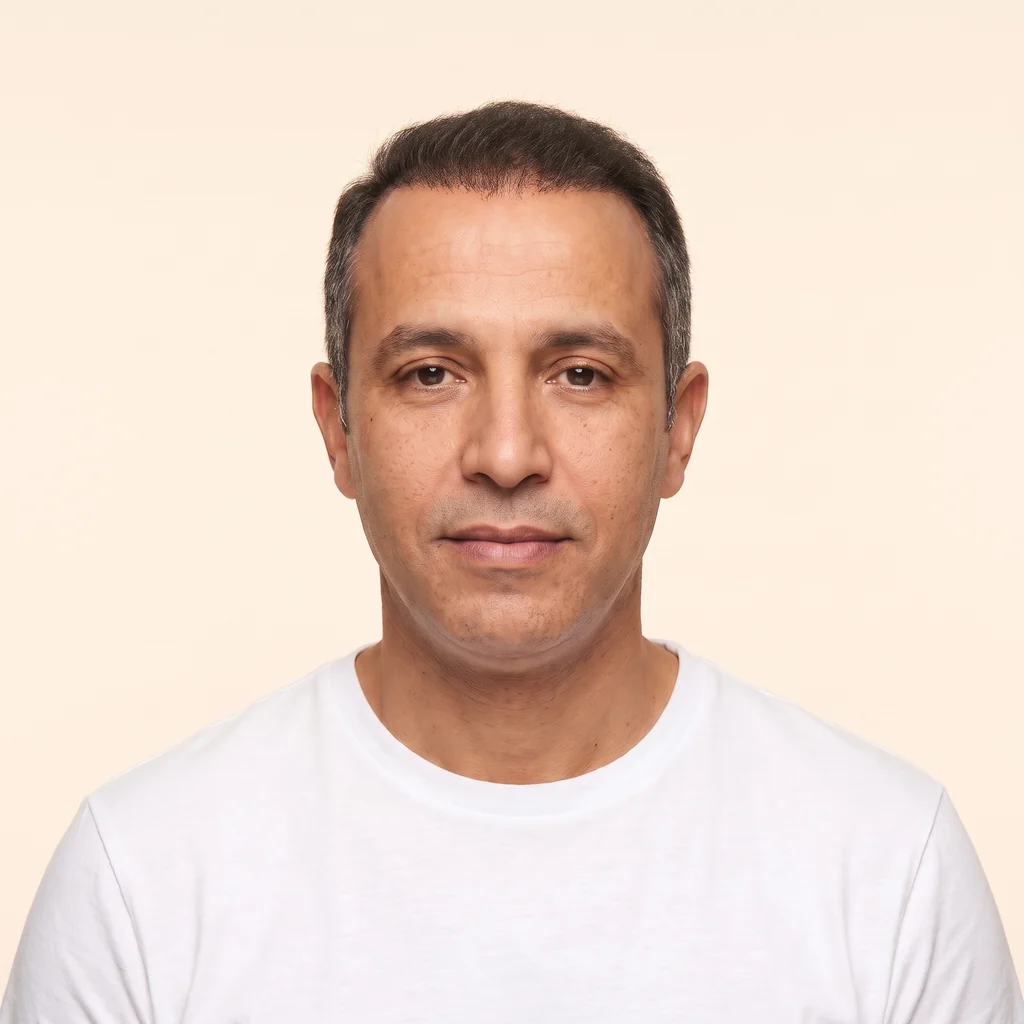
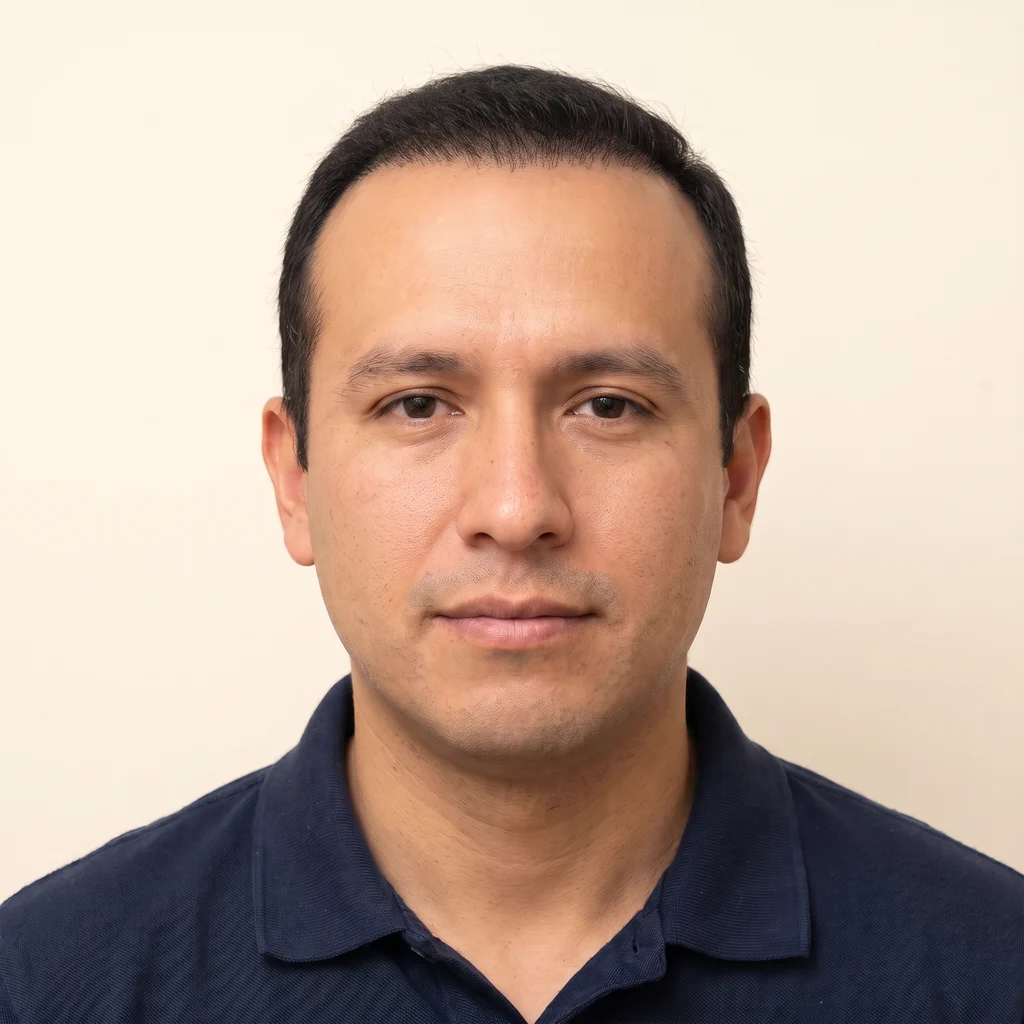
- Receding hairline
- Increasing density between existing hairs
- Receding temples
- Areas requiring great precision of angle
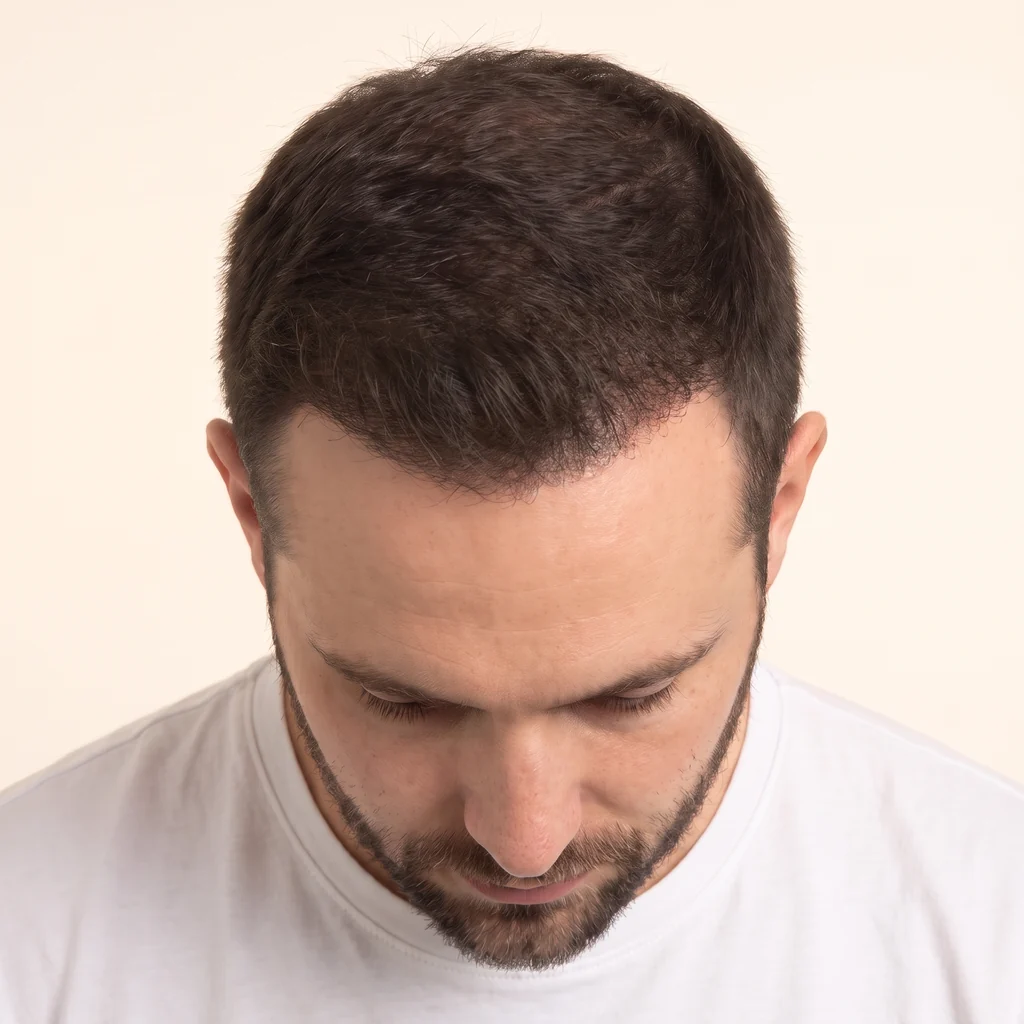
- Transplant without shaving the recipient area
The ideal candidate
A person with stabilised or moderate hair loss, with a sufficient donor area, wishing to increase density in an area that is still partially covered or to redesign a hairline; DHI is often offered when the area to be covered is limited. As with any transplant, progressive hair loss may justify additional medical treatment. The indication is confirmed by the doctor after examination.
The technique
The grafts are harvested one by one from the donor area using a micro-punch, as in FUE. Each graft is then loaded into the hollow needle of a Choi implanter, which the doctor inserts directly into the scalp at the desired angle and direction, before releasing the graft by withdrawing the needle; several implanters are used in rotation to limit the time the grafts spend outside the body. The procedure is performed under local anaesthesia. A bandage protects the donor area for the first night.
Your stay, step by step
- 1
Arrival and consultation
Welcome by your coordinator, examination and pre-operative consultation with the practitioner, who confirms the treatment plan.
- 2
Procedure
Local · 6–9 h
- 3
Back to the hotel
Day-case treatment: you return to your hotel the same day, accompanied.
- 4
Check-up before departure
Follow-up visit, care, instructions and prescription before your flight home. Recommended stay: 3–4 days.
- 5
Remote follow-up
Back home, you send your photos and stay in touch with the practitioner through your patient area, for up to 12 months.
Risks and recovery
The usual after-effects include swelling of the forehead for a few days, small scabs, redness and tenderness of the donor area. The transplanted hairs fall out temporarily in the following weeks (shock loss) before gradually growing back, and temporary loss of neighbouring native hair is possible. Folliculitis, infection, numbness, lower density than expected or a sparse appearance of the donor area if overharvested may also occur. Your surgeon will explain these in detail during the consultation.
The information on this page is provided for guidance only and does not replace a medical consultation. Every procedure carries risks; the indication is made by the practitioner after examination, and results vary from person to person.
Frequently asked questions
DHI or FUE: what is the difference for me?
The harvesting is identical; only the implantation changes. DHI offers very precise control of the angle and often makes it possible not to shave the recipient area, while FUE allows large areas to be covered more quickly; the doctor will guide your choice according to your case.
Does my whole head need to be shaved?
The donor area generally needs to be shaved, at least partially, for harvesting. The recipient area can often be left unshaved with DHI, which makes the transplant more discreet in the first few days.
When will I see the result?
After the temporary loss of the transplanted hairs, regrowth generally begins around the third or fourth month. The result develops gradually and can be fully appreciated after many months.