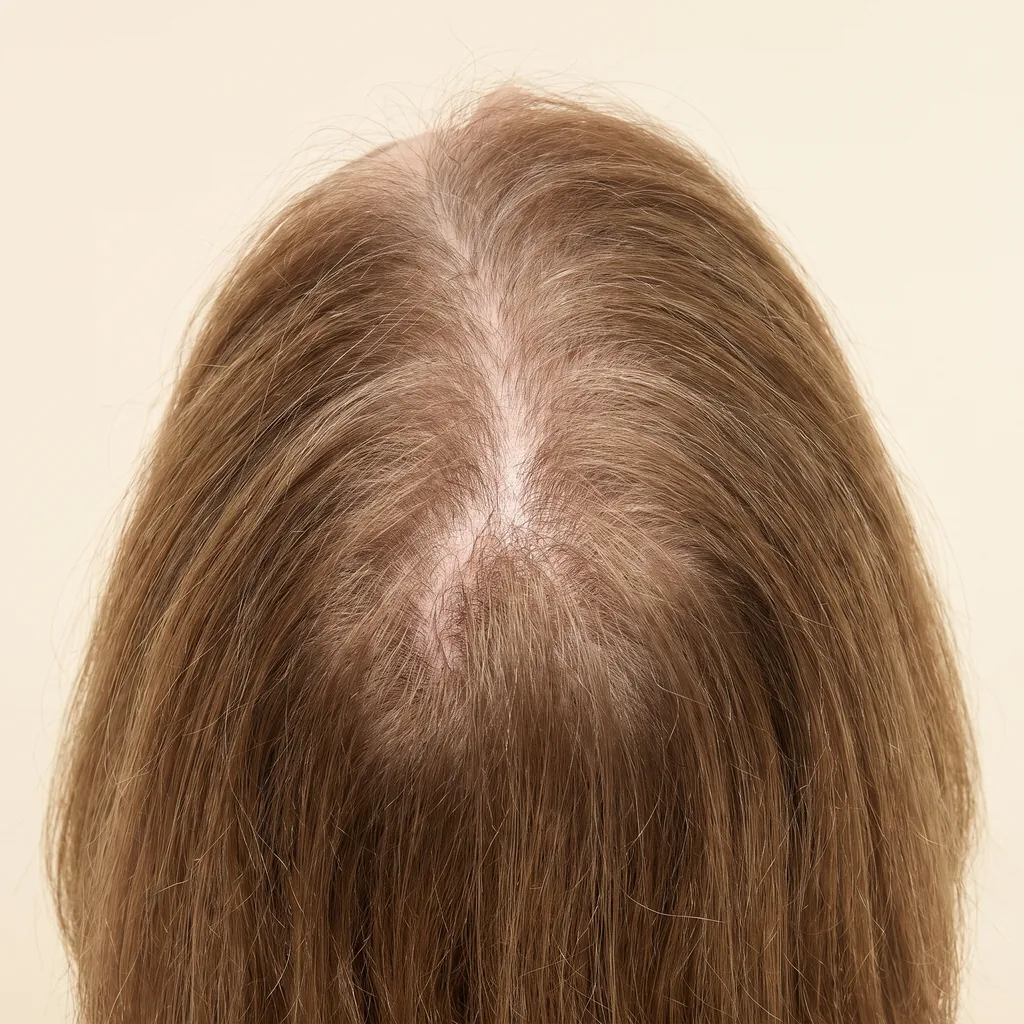
Medical description
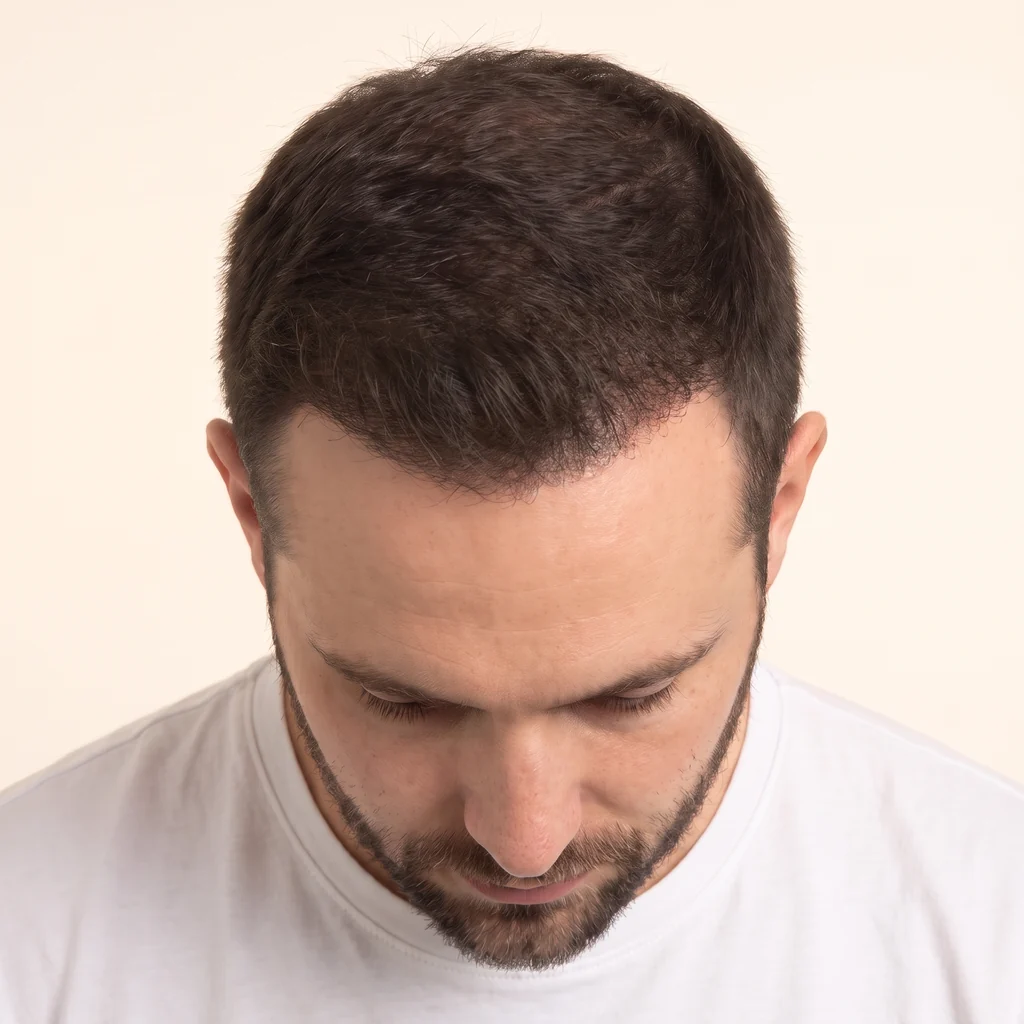
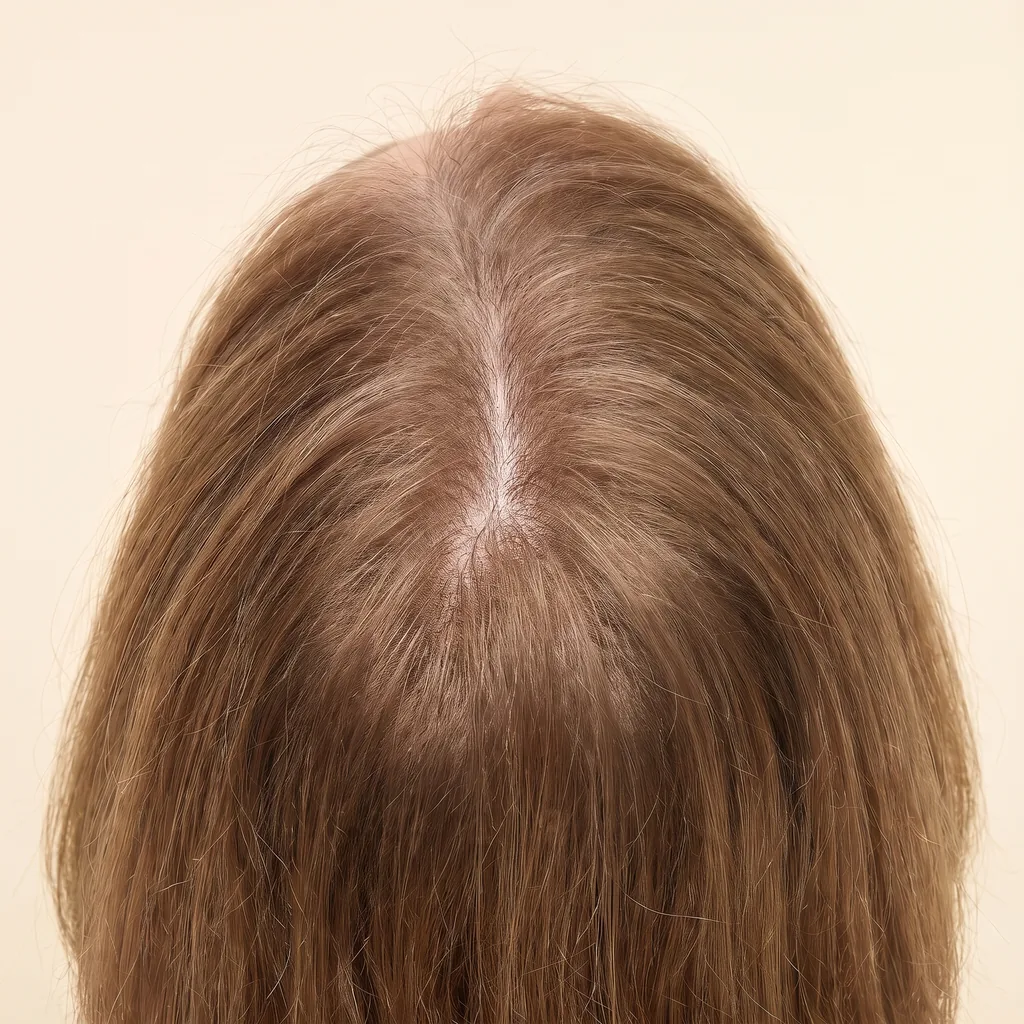
PRP (platelet-rich plasma) for hair is a regenerative medicine technique that uses your own blood. After a simple blood sample, the plasma is concentrated in platelets by centrifugation, then injected into the scalp in the thinning areas. The growth factors released by the platelets aim to stimulate weakened follicles, prolong the hair's growth phase and improve its density and diameter. PRP does not create new follicles and does not replace a transplant on completely bald areas, but it can be offered on its own for early hair loss or in addition to a transplant. Several sessions are generally needed, and the response varies from person to person.
What the procedure can correct
- Early or moderate hair loss
- Fine, thinning hair
- Diffuse loss of density in women
- Support following a hair transplant
- Scalp visible in places
The ideal candidate
A woman or man with early to moderate hair loss, with follicles that are still active, or who has had a transplant and wishes to support regrowth. PRP is not advised in the event of a clotting disorder, anticoagulant treatment, a low platelet count, scalp infection, active cancer or during pregnancy. An assessment of the cause of the hair loss is recommended beforehand, and the indication is confirmed by the doctor.
The technique
A blood sample is taken from the inside of the elbow, then the tube is centrifuged to separate and concentrate the platelet-rich plasma. After disinfection and, if needed, application of an anaesthetic cream, the PRP is injected into the scalp through multiple superficial micro-injections, or using a microneedling device, over the areas concerned. The session is short, under simple topical anaesthesia, and requires no dressing. A protocol includes several sessions a few weeks apart, followed by maintenance sessions.
Your stay, step by step
- 1
Arrival and consultation
Welcome by your coordinator, examination and pre-operative consultation with the practitioner, who confirms the treatment plan.
- 2
Procedure
Numbing cream · 0.5–1 h
- 3
Back to the hotel
Day-case treatment: you return to your hotel the same day, accompanied.
- 4
Check-up before departure
Follow-up visit, care, instructions and prescription before your flight home. Recommended stay: 1–2 days.
- 5
Remote follow-up
Back home, you send your photos and stay in touch with the practitioner through your patient area, for up to 12 months.
Risks and recovery
The usual after-effects are slight pain during the injections, tenderness, redness and sometimes slight swelling of the scalp, which generally disappear very quickly. Complications are rare: small bruises, infection at the injection site, temporary headaches or fainting (vasovagal reaction) during the blood test. Your surgeon will explain these in detail during the consultation.
The information on this page is provided for guidance only and does not replace a medical consultation. Every procedure carries risks; the indication is made by the practitioner after examination, and results vary from person to person.
Frequently asked questions
How many sessions should I plan for?
An initial protocol generally includes three to four sessions about a month apart, followed by maintenance sessions depending on the response. For patients coming from abroad, the schedule is organised around their stays.
Does PRP replace a hair transplant?
No. PRP aims to strengthen existing hair and slow hair loss, but it does not regrow hair on a completely bald area, where only a transplant can provide it. The two approaches can be complementary.
Can I resume my activities the same day?
Yes, most patients resume their activities immediately. It is advisable to avoid washing your hair, intense sport and saunas for around twenty-four hours.