
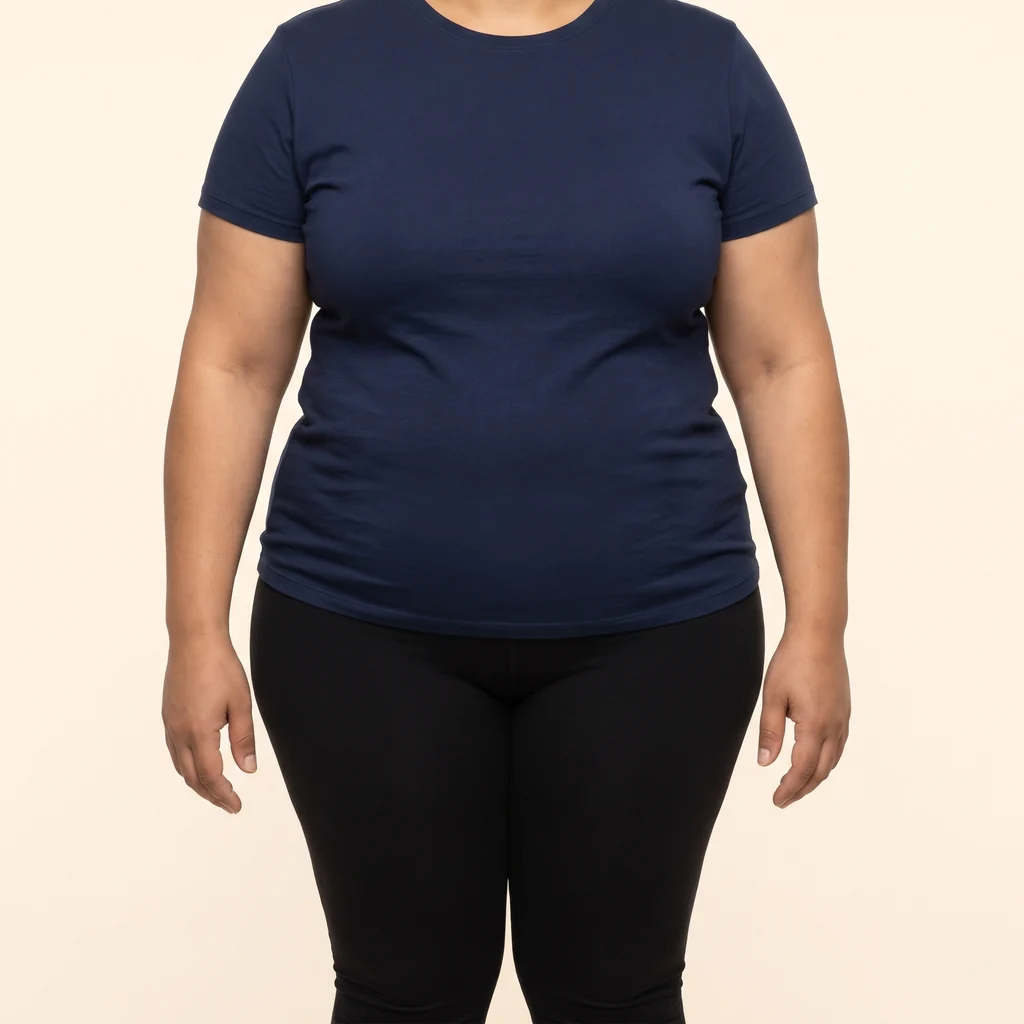

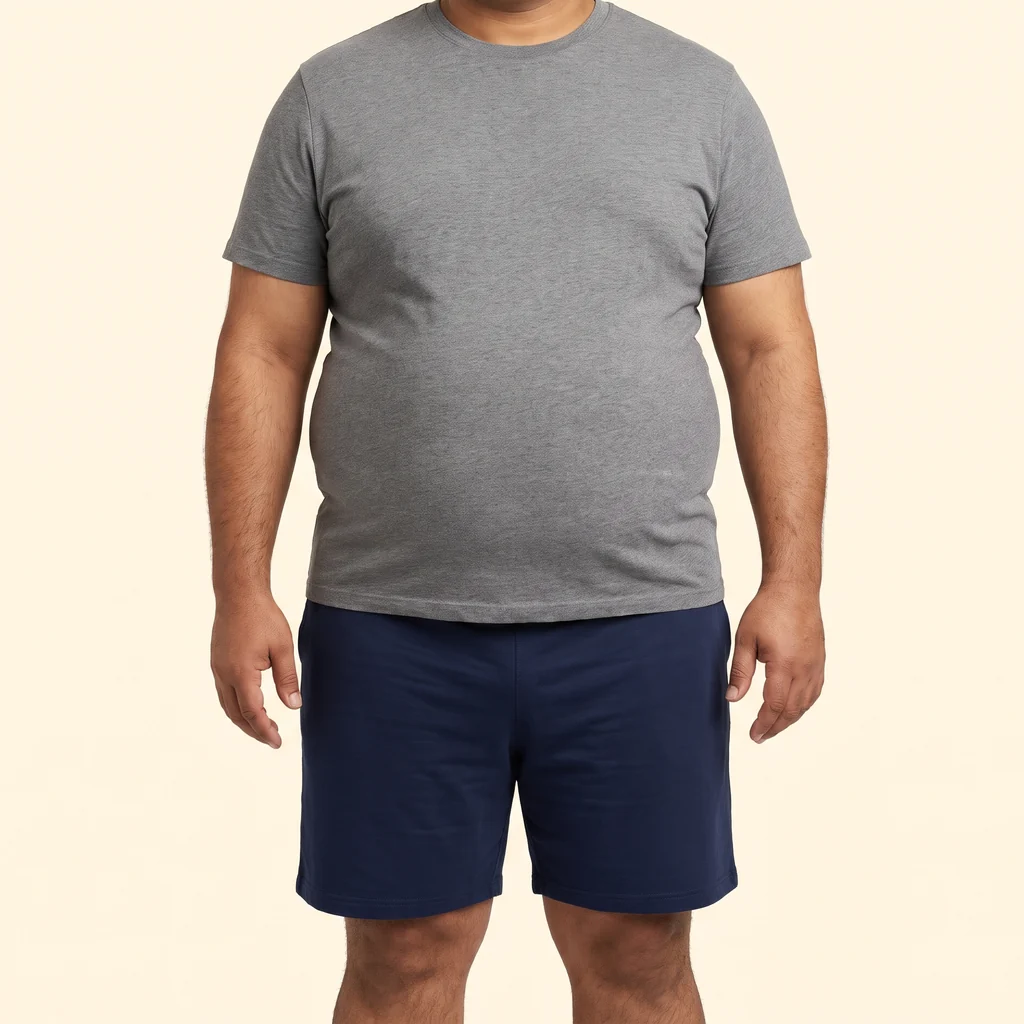
Medical description
Weight-loss surgery, or bariatric surgery, alters the digestive system to help people with severe obesity lose weight in a lasting way. The two most common techniques are sleeve gastrectomy, which removes a large part of the stomach to reduce its volume, and gastric bypass, which combines a small stomach with a bypass of part of the intestine. It is not a cosmetic procedure: it is a medical treatment that forms part of comprehensive care, with a change in eating habits and lifelong follow-up.
What the procedure can correct
- Severe obesity despite dieting
- Weight-related conditions (type 2 diabetes, high blood pressure, sleep apnoea)
- Joint pain caused by excess weight
- Reduced mobility in daily life
- Preparation for body contouring surgery after weight loss
The ideal candidate
An adult with severe obesity, generally with a high body mass index or weight-related conditions, after a properly conducted medical treatment has failed. The indication is established after a full assessment, often multidisciplinary (surgeon, nutritionist, psychologist). The patient must commit to long-term nutritional and medical follow-up, including after returning home.
The technique
The procedure is performed under general anaesthesia by laparoscopy, that is, through several small incisions in the abdomen and with the help of a camera. For a sleeve, the surgeon removes about two thirds of the stomach and gives it the shape of a tube. For a bypass, the surgeon creates a small gastric pouch connected directly to the small intestine. A liquid and then puréed diet is gradually reintroduced.
Your stay, step by step
- 1
Arrival and consultation
Welcome by your coordinator, examination and pre-operative consultation with the practitioner, who confirms the treatment plan.
- 2
Procedure
General · 1–2.5 h
- 3
Monitoring in the clinic
Hospital stay: 2–4 nights. The care team looks after your comfort and post-operative monitoring.
- 4
Check-up before departure
Follow-up visit, care, instructions and prescription before your flight home. Recommended stay: 7–10 days.
- 5
Remote follow-up
Back home, your coordinator remains your contact and organises follow-up with the practitioner (photos and messages via WhatsApp, then through your secure patient area once it opens).
Risks and recovery
Abdominal pain, nausea and fatigue are common in the first few days. Possible complications include a leak at the suture lines, bleeding, phlebitis or embolism, reflux, vitamin and mineral deficiencies requiring lifelong supplementation, or weight regain without appropriate follow-up. Your surgeon will explain these in detail during the consultation.
The information on this page is provided for guidance only and does not replace a medical consultation. Every procedure carries risks; the indication is made by the practitioner after examination, and results vary from person to person.
Frequently asked questions
Sleeve or bypass: which should I choose?
The choice depends on your weight, any associated conditions, possible reflux and your eating habits. It is made with your surgeon after the pre-operative assessment.
Can the follow-up be done from my home country?
Regular nutritional follow-up and blood tests are essential, particularly in the first year. It is important to identify, before you leave, a doctor or team who can follow you at home.
Will I need skin surgery afterwards?
Significant weight loss often leaves excess skin. Reconstructive body surgery can be considered once your weight has stabilised, generally after a year to eighteen months.


