

Medical description
Thigh liposuction uses suction to remove localised fat deposits on the thighs: the outer thighs (saddlebags), the inner thighs, the front of the thigh or the area above the knee. These deposits are often linked to body shape and resist exercise and diet. The procedure refines the figure and harmonises the proportions between the hips, thighs and legs. It treats fat but does not tighten very loose skin, which may call for a thigh lift.
What the procedure can correct
- Saddlebags
- Excess fat on the inner thighs
- Thighs rubbing together when walking
- Disproportion between the upper and lower body
- Localised fat above the knees
The ideal candidate
An adult in good health, close to their ideal weight and stable, with localised fat deposits on the thighs and good-quality skin. Liposuction is not a weight-loss method and does not treat cellulite.
The technique
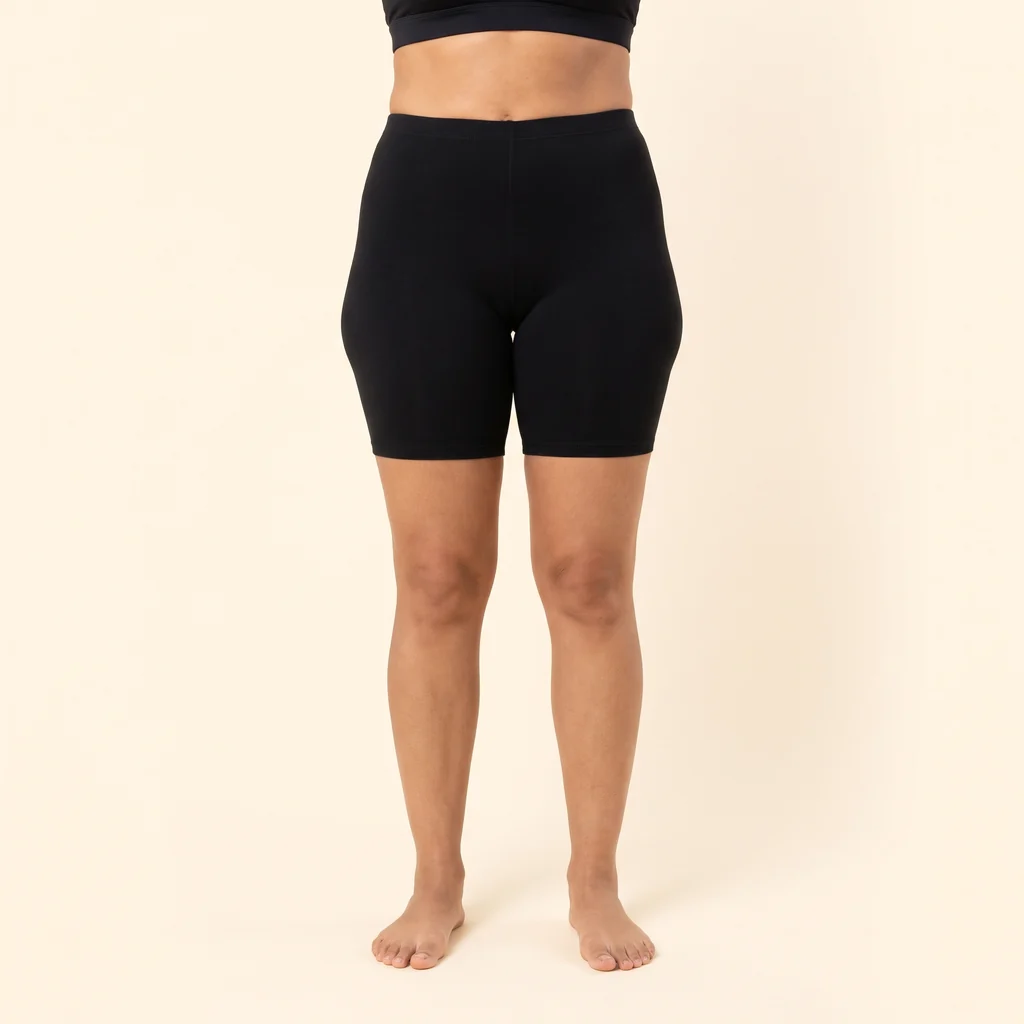
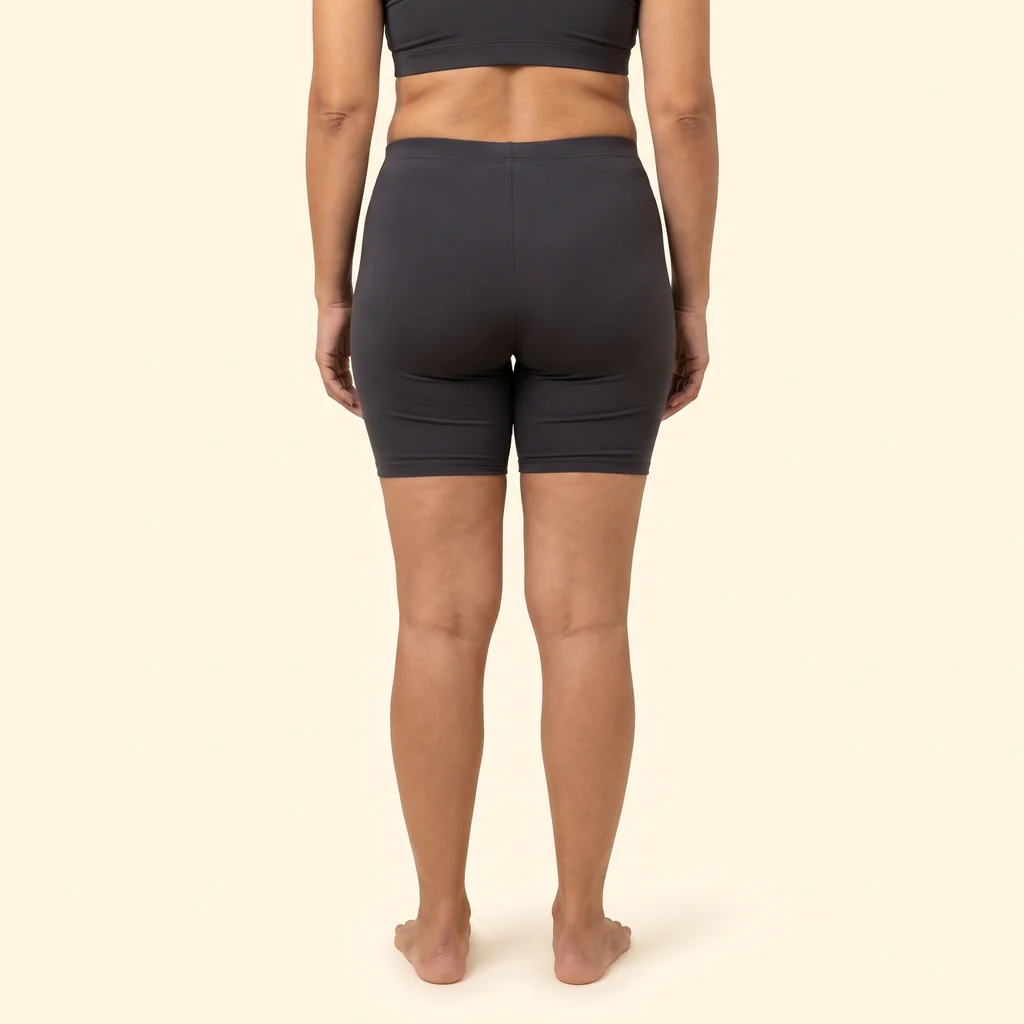
The procedure is performed under general anaesthesia or sedation. The surgeon first infiltrates the areas to be treated, then suctions out the fat using fine cannulas inserted through small incisions placed in the natural folds. A compression garment is put on at the end of the procedure and worn for several weeks.
Your stay, step by step
- 1
Arrival and consultation
Welcome by your coordinator, examination and pre-operative consultation with the practitioner, who confirms the treatment plan.
- 2
Procedure
General, or local with sedation · 1–2.5 h
- 3
Monitoring in the clinic
Hospital stay: Day case or 1 night. The care team looks after your comfort and post-operative monitoring.
- 4
Check-up before departure
Follow-up visit, care, instructions and prescription before your flight home. Recommended stay: 6–8 days.
- 5
Remote follow-up
Back home, your coordinator remains your contact and organises follow-up with the practitioner (photos and messages via WhatsApp, then through your secure patient area once it opens).
Risks and recovery
Bruising, swelling, tenderness and a feeling of hardness in the thighs are common in the first few weeks. Less commonly, irregularities or dents, asymmetry, fluid accumulation, infection or phlebitis may occur. Your surgeon will explain these in detail during the consultation.
The information on this page is provided for guidance only and does not replace a medical consultation. Every procedure carries risks; the indication is made by the practitioner after examination, and results vary from person to person.
Frequently asked questions
How long should the compression garment be worn?
It is generally worn day and night for several weeks. It limits swelling and helps the skin retract over the new contours.
Can I walk after the procedure?
Yes, walking is encouraged from the day after the procedure to promote circulation. Sport is resumed gradually, on your surgeon's advice.
Does liposuction get rid of cellulite?
No. It removes deep fat deposits but does not affect the dimpled appearance of the skin. Aesthetic medicine treatments can complement the result.


