
Medical description
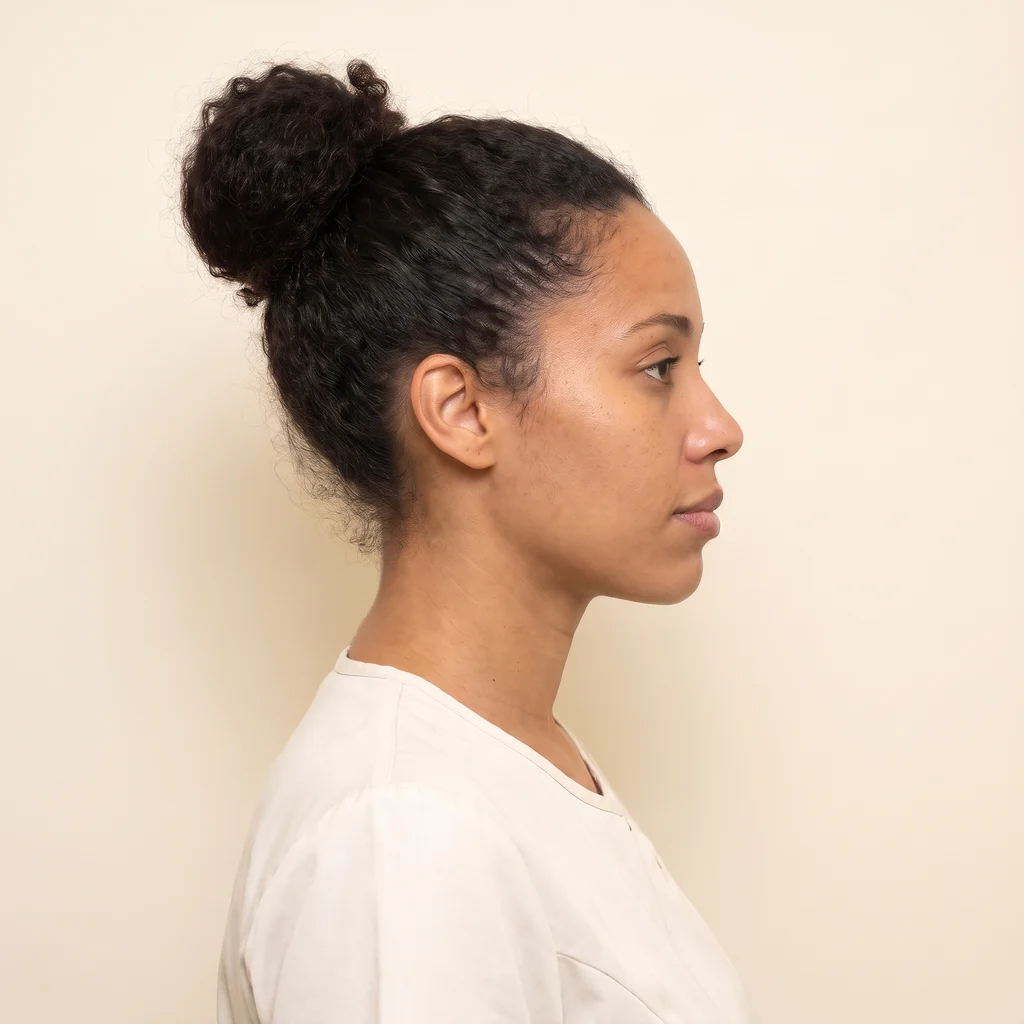
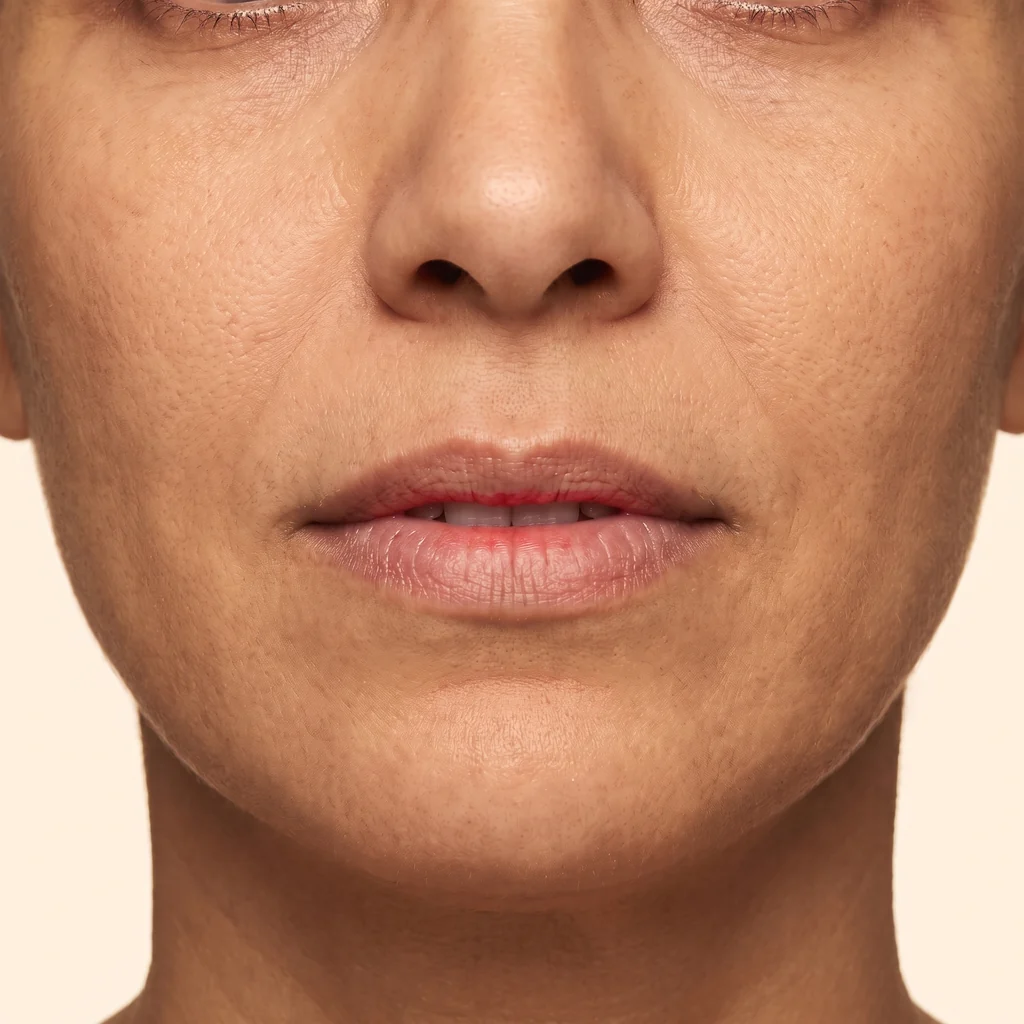
Buccal fat removal involves partially removing the buccal fat pads, deposits of fat located deep in the cheeks between the facial muscles. When they are large, they give the face a round or baby-faced appearance, even in slim people. Reducing them aims to slightly hollow the lower part of the cheeks to better reveal the cheekbones and the angle of the jaw. It is a short procedure, performed from inside the mouth. Its effect is subtle and must be judged with care, as the face naturally loses volume with age and excessive removal could eventually make it look gaunt.
What the procedure can correct
- Round cheeks or a baby face
- Lower face lacking definition
- Cheekbones that are not well defined
- Cheek volume out of proportion with the face
The ideal candidate
An adult at a stable weight with full cheeks caused by large buccal fat pads, rather than by excess general body fat or a well-developed masseter muscle. It is not recommended for people whose face is already slim or gaunt. On examination, the surgeon assesses whether a reduction is appropriate and to what extent.
The technique
The procedure is performed under local anaesthesia with sedation, as a day case. A small incision is made on each side inside the cheek, opposite the upper molars. The surgeon carefully frees the buccal fat pad and removes a measured portion of it, preserving the neighbouring structures. The incisions are closed with dissolvable stitches; no external dressing is needed.
Your stay, step by step
- 1
Arrival and consultation
Welcome by your coordinator, examination and pre-operative consultation with the practitioner, who confirms the treatment plan.
- 2
Procedure
Local with sedation · 0.5–1 h
- 3
Back to the hotel
Day-case treatment: you return to your hotel the same day, accompanied.
- 4
Check-up before departure
Follow-up visit, care, instructions and prescription before your flight home. Recommended stay: 4–5 days.
- 5
Remote follow-up
Back home, you send your photos and stay in touch with the practitioner through your patient area, for up to 12 months.
Risks and recovery
Swelling of the cheeks, sometimes significant in the first few days, and discomfort when chewing are usual; the swelling masks the result for several weeks. Less commonly: haematoma, infection, asymmetry, excessive removal making the face hollow with age, injury to the parotid salivary duct or to a branch of the facial nerve. Your surgeon will explain these in detail during the consultation.
The information on this page is provided for guidance only and does not replace a medical consultation. Every procedure carries risks; the indication is made by the practitioner after examination, and results vary from person to person.
Frequently asked questions
Will there be a scar?
No, the incisions are made inside the mouth and cannot be seen. They generally heal within a few days.
When will I see the result?
The initial swelling at first hides the slimming of the cheeks. The result gradually takes shape as the swelling subsides, over several weeks to a few months.
What precautions should I take after the procedure?
A soft diet and mouthwashes after meals are advised for the first few days, as is stopping smoking. The return flight is generally possible without difficulty at the end of the recommended stay.