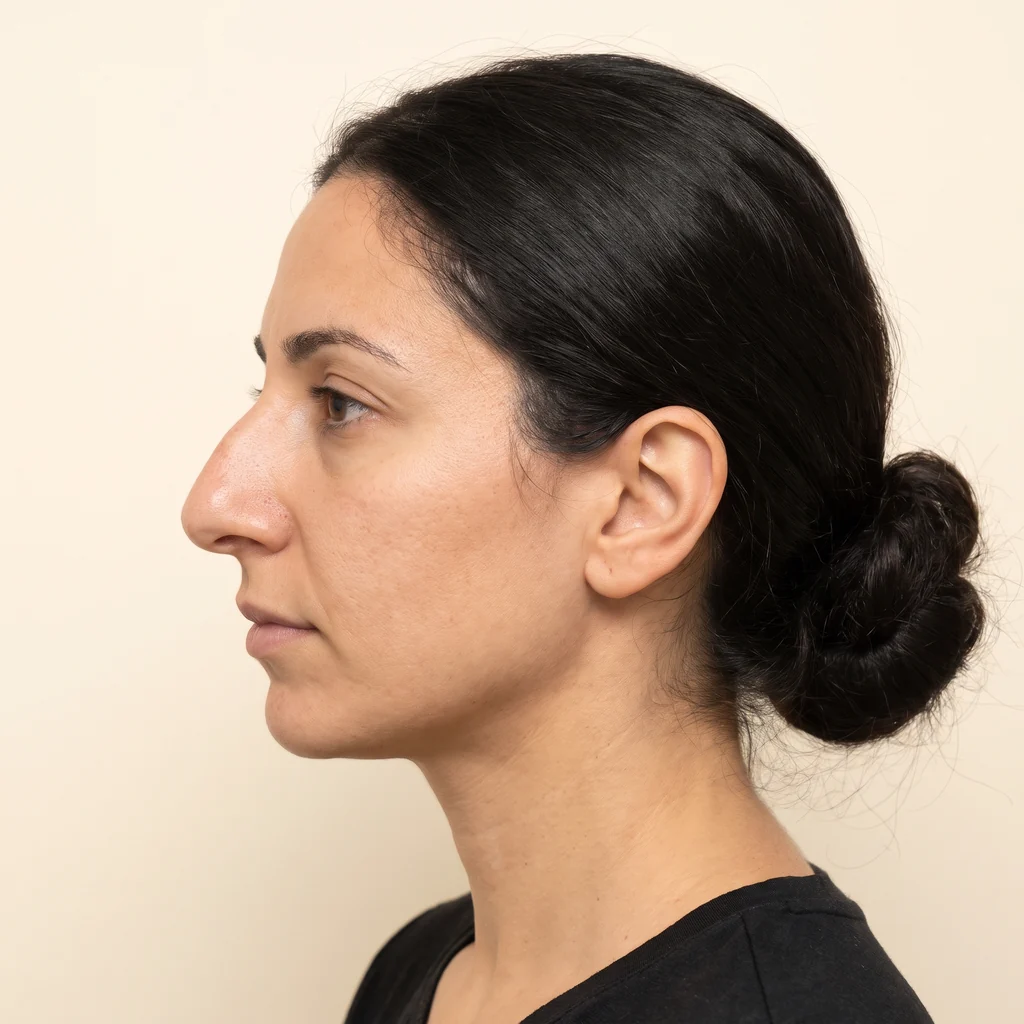
Medical description
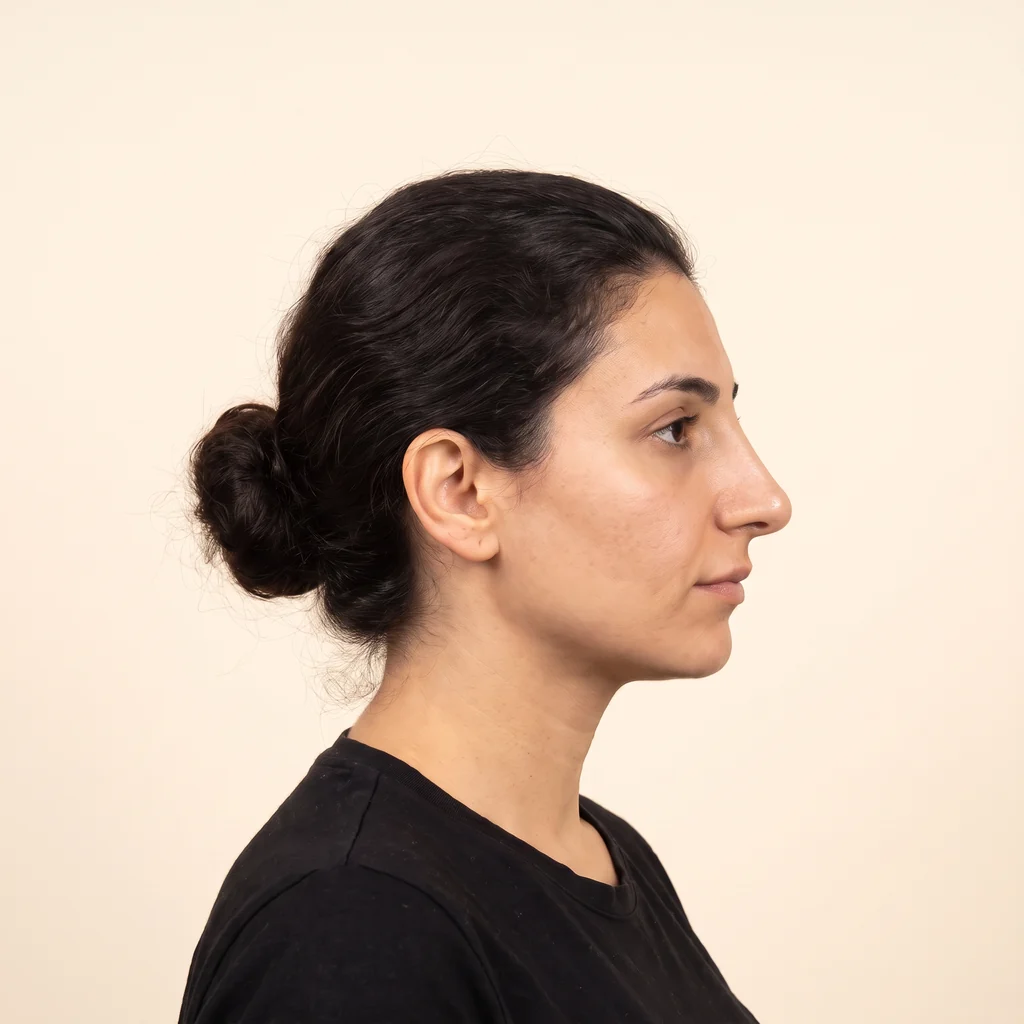
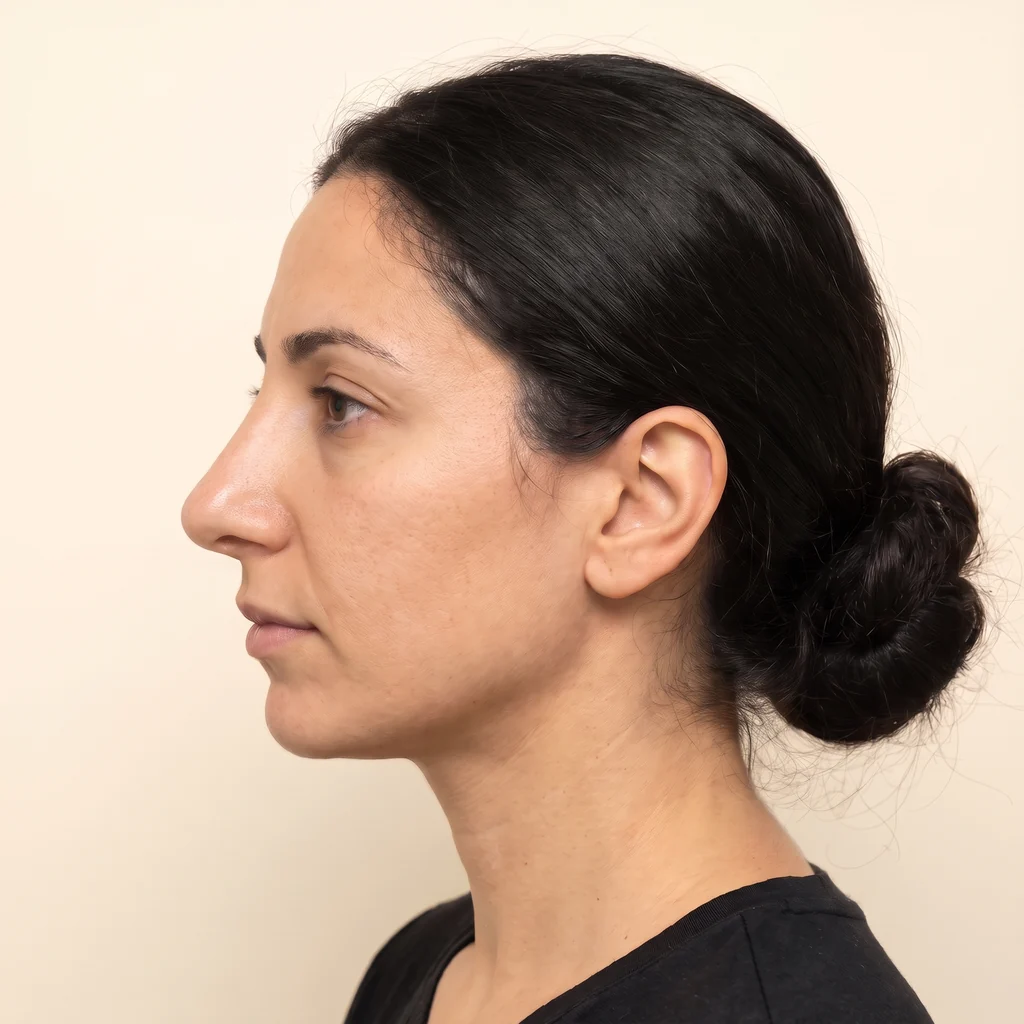
Rhinoplasty is a cosmetic surgical procedure that aims to change the shape, size or proportions of the nose. It can correct a bump on the bridge, refine a tip that is too wide or droops, reduce a nose considered too long or rebalance an asymmetry. The surgeon works on the bony and cartilaginous framework, and the skin then gradually settles over this new structure. In its conventional form, the bone is shaped using traditional instruments (rasp, osteotome). The aim is a natural-looking nose in keeping with the forehead, cheekbones, lips and chin, rather than a standardised model.
What the procedure can correct
- Bump on the bridge of the nose
- Wide, drooping or poorly defined tip
- Nose that is too long or too projected
- Visible asymmetry or deviation of the nose
- Wide or disproportionate nostrils
- Lack of harmony between the nose and the profile
The ideal candidate
A person in good health whose facial growth is complete (generally after the age of 17 or 18), bothered by the shape of their nose and with realistic expectations. If there is also breathing difficulty caused by a deviated septum, the surgeon may refer you for a septorhinoplasty. The indication is always confirmed after an examination and analysis of your profile.
The technique
The procedure is performed under general anaesthesia. Depending on the case, the surgeon chooses a closed approach, with incisions hidden inside the nostrils, or an open approach, with an additional small incision on the columella, between the two nostrils. The cartilage is then reshaped, the bridge lowered if necessary, and osteotomies performed to refine the bony pyramid. A splint is placed on the nose, and nasal packing or internal splints may be put in place for a few days.
Your stay, step by step
- 1
Arrival and consultation
Welcome by your coordinator, examination and pre-operative consultation with the practitioner, who confirms the treatment plan.
- 2
Procedure
General · 1.5–3 h
- 3
Monitoring in the clinic
Hospital stay: Day case or 1 night. The care team looks after your comfort and post-operative monitoring.
- 4
Check-up before departure
Follow-up visit, care, instructions and prescription before your flight home. Recommended stay: 7–8 days.
- 5
Remote follow-up
Back home, you send your photos and stay in touch with the practitioner through your patient area, for up to 12 months.
Risks and recovery
Swelling and bruising around the eyes are usual in the first few days, together with a blocked-nose sensation; pain generally remains moderate and well controlled with painkillers. Less commonly, bleeding, infection, irregularity of the bridge, residual asymmetry or breathing difficulty may occur, sometimes requiring a revision. Your surgeon will explain these in detail during the consultation.
The information on this page is provided for guidance only and does not replace a medical consultation. Every procedure carries risks; the indication is made by the practitioner after examination, and results vary from person to person.
Frequently asked questions
When will I be able to fly after a rhinoplasty?
Flying home is generally possible once the splint has been removed and the post-operative check has taken place, which corresponds to the recommended length of stay. Follow-up then continues remotely with the team.
Is the result visible straight away?
An initial improvement can be seen when the splint is removed, but the nose remains swollen for several weeks. The swelling, particularly at the tip, subsides very gradually, which is why the final result can only be assessed after many months.
When can I return to sport and wear glasses?
Gentle sports can generally be resumed after a few weeks, contact sports later. Wearing glasses that rest on the nose is not advised for several weeks; your surgeon will tell you the timescales appropriate to your case.