Medical description
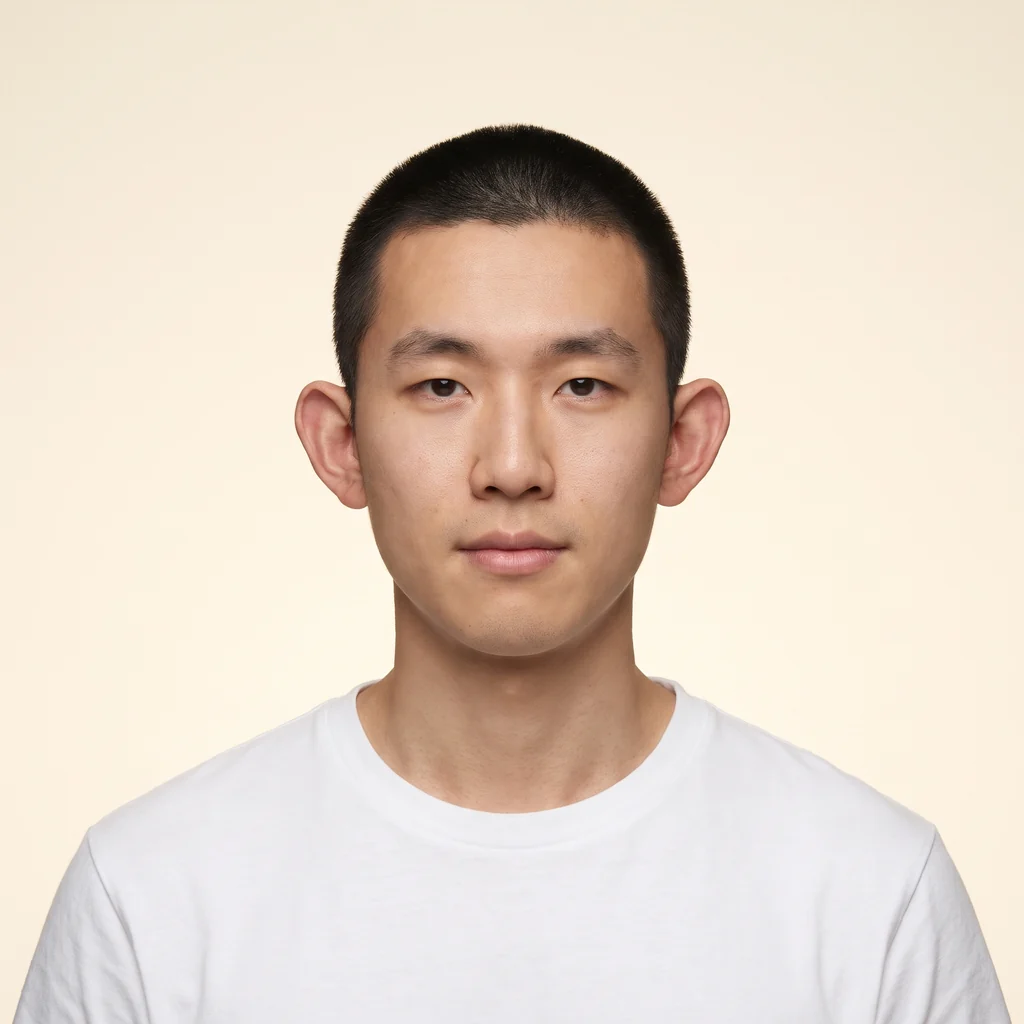
Otoplasty corrects protruding ears and, more broadly, certain abnormalities in the shape of the outer ear. Protrusion is most often caused by insufficient folding of the cartilage, which prevents the formation of the natural fold known as the antihelix, or by an overdeveloped concha that pushes the ear forwards. The procedure aims to bring the ear closer to the head and recreate natural contours, while preserving a degree of flexibility in the ear. It can also reduce an overly large earlobe or correct an asymmetry between the two ears. Performed in children as well as adults, it can have a real impact on self-confidence.
What the procedure can correct
- Ears that stick out from the head
- Absence of the natural cartilage fold
- Concha that is too deep or too projected
- Asymmetry between the two ears
- Earlobes that are too large or protruding
The ideal candidate
A child from the age of 6 or 7, when the ear has almost reached its adult size, or an adult bothered by the shape or position of their ears. In children, it is important that the request comes from the child and that they are able to follow the post-operative instructions. The indication is confirmed by the surgeon after examining the shape of the cartilage.
The technique
The procedure is performed under general anaesthesia, particularly in children, or under local anaesthesia in adults. An incision is made in the groove behind the ear, so that the scar cannot be seen from the front. The surgeon reshapes the cartilage with sutures that recreate the antihelical fold, reduces the concha if necessary and secures the ear closer to the head. A compressive dressing is applied for a few days, followed by an elastic headband, worn mainly at night, for several weeks.
Your stay, step by step
- 1
Arrival and consultation
Welcome by your coordinator, examination and pre-operative consultation with the practitioner, who confirms the treatment plan.
- 2
Procedure
General or local · 1–2 h
- 3
Back to the hotel
Day-case treatment: you return to your hotel the same day, accompanied.
- 4
Check-up before departure
Follow-up visit, care, instructions and prescription before your flight home. Recommended stay: 5–7 days.
- 5
Remote follow-up
Back home, you send your photos and stay in touch with the practitioner through your patient area, for up to 12 months.
Risks and recovery
Moderate pain, swelling and increased sensitivity of the ears are usual in the first few days, as is temporary numbness. Less commonly: haematoma, infection of the cartilage, asymmetry, partial recurrence of the protrusion, a thick scar behind the ear or a correction considered excessive. Your surgeon will explain these in detail during the consultation.
The information on this page is provided for guidance only and does not replace a medical consultation. Every procedure carries risks; the indication is made by the practitioner after examination, and results vary from person to person.
Frequently asked questions
From what age can the operation be performed?
Generally from the age of 6 or 7, when the cartilage is sufficiently developed, and with no upper age limit in adults. Operating before starting primary school can spare a child some teasing, but the child's agreement remains essential.
How long must the headband be worn?
The headband protects the ear and maintains the result while it heals. It is worn day and night at first, then mainly at night for several weeks, according to your surgeon's instructions.
When will I be able to return to sport?
Gentle activities can be resumed quickly, but contact sports and those that expose the ears to impact should be avoided for several weeks. Swimming is allowed once the scar has fully closed.