Medical description
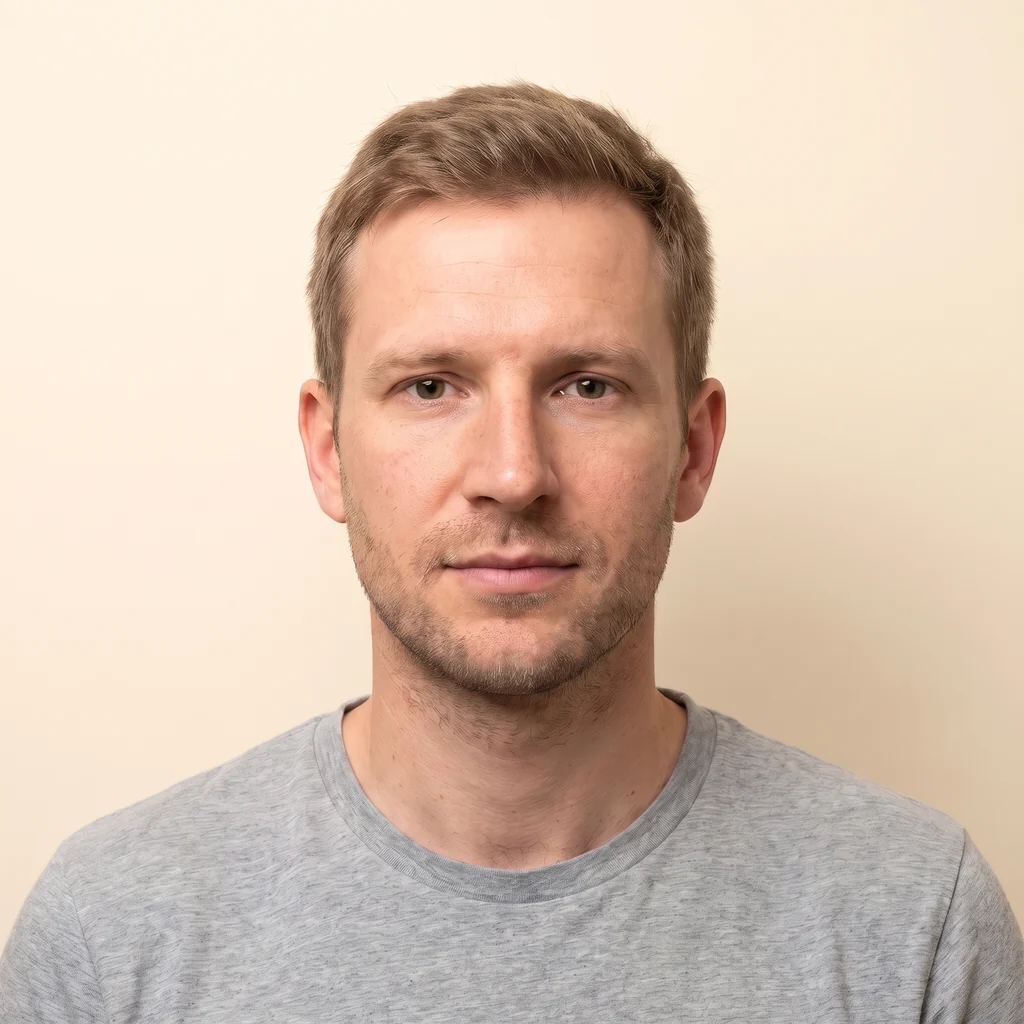
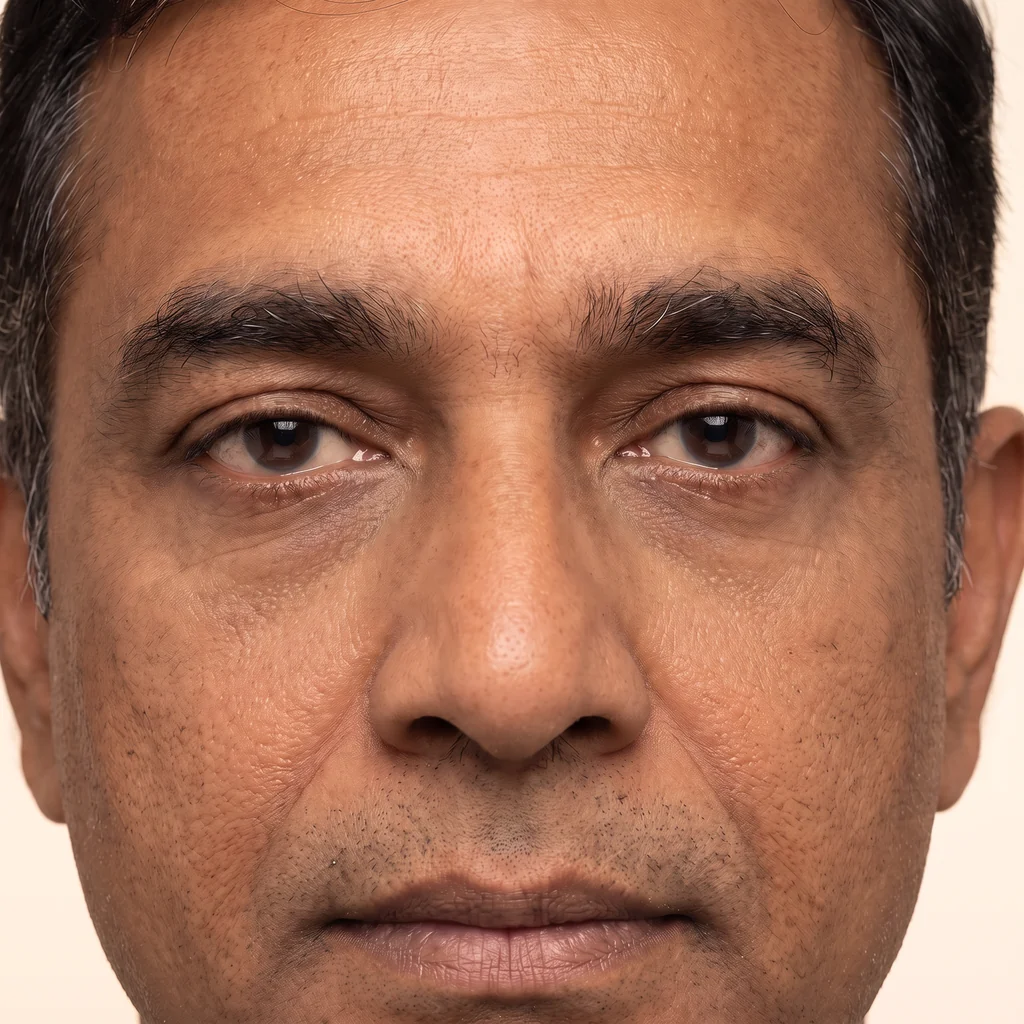
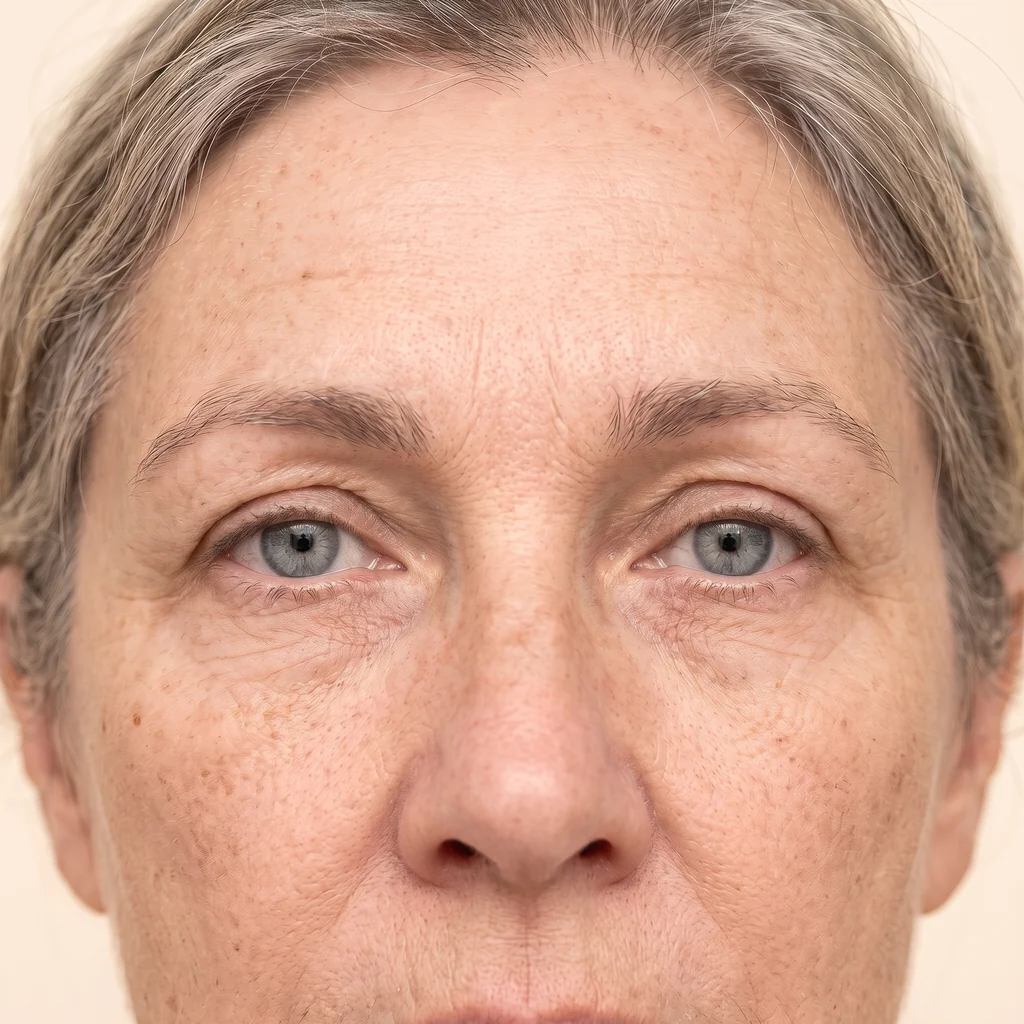
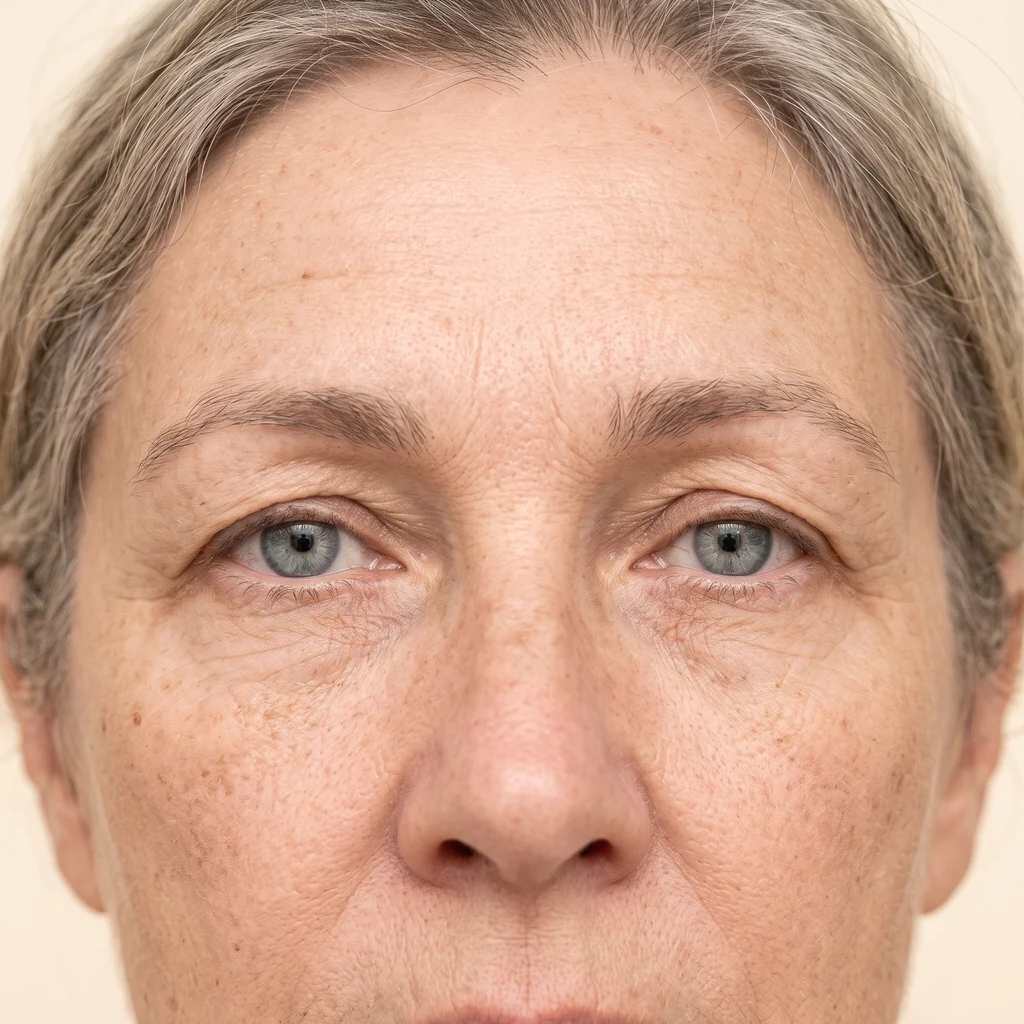
Upper blepharoplasty corrects excess skin and, where necessary, small fat pads of the upper eyelids. With age, the skin loses its elasticity and forms a fold that covers the eyelid crease, giving the eyes a heavy, sad or tired appearance. In more pronounced cases, this excess can even obstruct the upper field of vision. The procedure aims to redefine a clear eyelid crease and refresh the eyes without altering their expression. The scar is placed in the natural fold of the eyelid, which generally makes it very discreet once healed.
What the procedure can correct
- Excess skin on the upper eyelids
- Heavy or tired-looking eyes
- Fat pads at the inner corner of the eye
- Hidden eyelid crease
- Obstruction of the upper field of vision
The ideal candidate
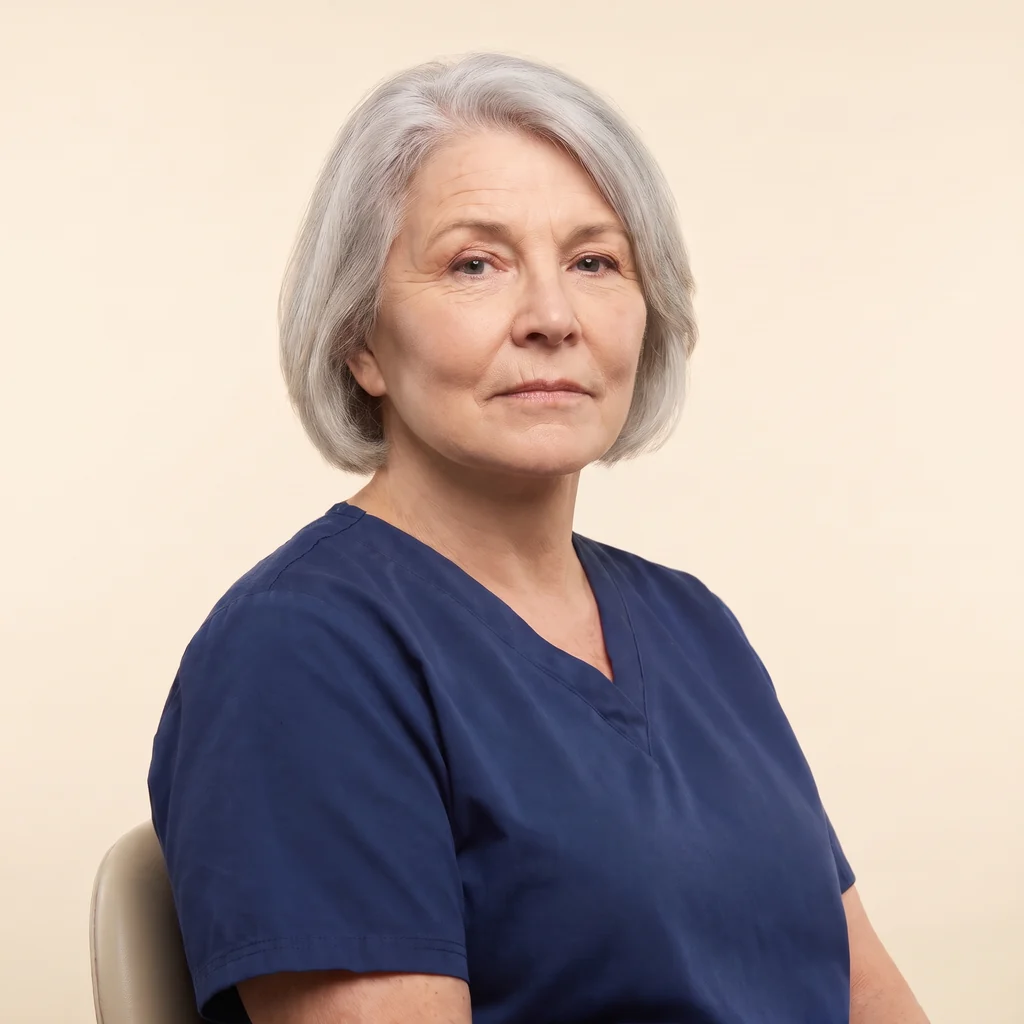
A woman or man, generally from the age of 35 or 40, with sagging skin on the upper eyelids, in good health and a non-smoker or prepared to stop. Significant dry eye, glaucoma or certain thyroid conditions require prior assessment. If the heaviness is mainly due to a drooping brow, the surgeon may suggest a brow lift, either on its own or in combination.
The technique
The procedure is performed under local anaesthesia with sedation, as a day case. The surgeon marks the excess skin to be removed, excises it along the eyelid crease, then removes or repositions a small amount of fat and orbicularis muscle if needed. Closure is done with a fine intradermal suture. Cold compresses are applied and the stitches are removed after a few days.
Your stay, step by step
- 1
Arrival and consultation
Welcome by your coordinator, examination and pre-operative consultation with the practitioner, who confirms the treatment plan.
- 2
Procedure
Local with sedation · 1–1.5 h
- 3
Back to the hotel
Day-case treatment: you return to your hotel the same day, accompanied.
- 4
Check-up before departure
Follow-up visit, care, instructions and prescription before your flight home. Recommended stay: 5–7 days.
- 5
Remote follow-up
Back home, you send your photos and stay in touch with the practitioner through your patient area, for up to 12 months.
Risks and recovery
Swelling, bruising and a feeling of tightness are usual in the first few days; difficulty closing the eyes completely or temporary dry eye are possible. Less commonly: haematoma, infection, asymmetry, a visible scar, or too much or too little skin removed. Your surgeon will explain these in detail during the consultation.
The information on this page is provided for guidance only and does not replace a medical consultation. Every procedure carries risks; the indication is made by the practitioner after examination, and results vary from person to person.
Frequently asked questions
Will the scar be visible?
It is hidden in the natural fold of the eyelid and may extend slightly into a crow's-foot line. Pinkish for the first few weeks, it generally fades to become very discreet.
Can it be combined with lower eyelid surgery?
Yes, the two procedures are frequently performed together to treat the whole eye area. The surgeon then adapts the type of anaesthesia and the length of stay.
When will I be able to wear make-up and contact lenses?
Eye make-up is generally allowed once the stitches have been removed and the scar has closed, and contact lenses a little later. Sunglasses are useful for the journey home.