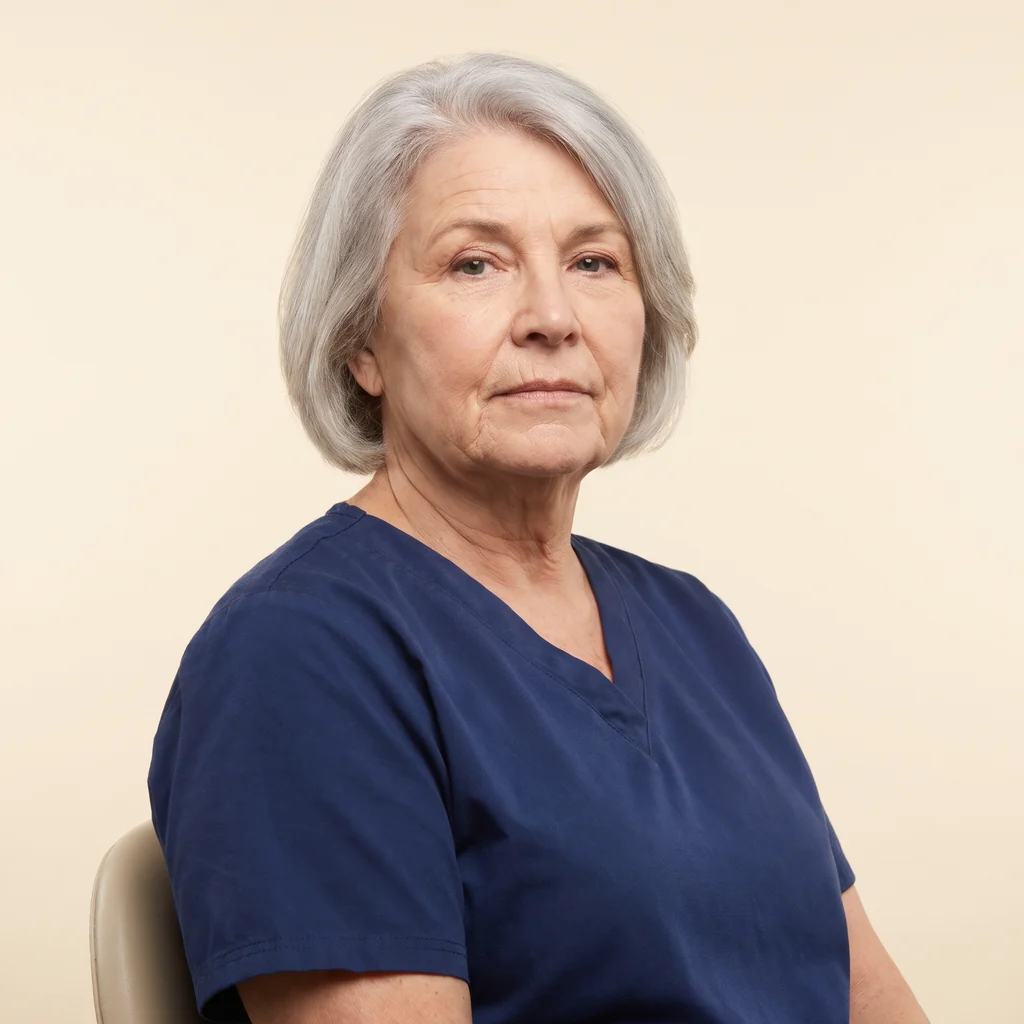
Medical description
The face and neck lift treats sagging tissues of the lower face and neck: a drooping jawline, jowls, pronounced folds, a loose neck or neck bands. The modern technique does not simply tighten the skin: it repositions the deep musculo-aponeurotic layer, known as the SMAS, then redrapes the skin without excessive tension, which generally gives a natural and longer-lasting result. Unlike the mini facelift, it addresses the entire jawline and neck and is intended for moderate to significant sagging. It can be combined with blepharoplasty, a brow lift or fat grafting.
What the procedure can correct
- Drooping facial contour
- Jowls along the jawline
- Sagging skin and bands on the neck
- Pronounced nasolabial folds and marionette lines
- Loss of definition at the angle between the neck and jaw
- Tired or aged appearance of the lower face
The ideal candidate
A woman or man, generally between 45 and 70, with moderate to significant sagging of the face and neck, in good health and at a stable weight. Stopping smoking for several weeks before and after the procedure is essential, as it determines good blood supply to the skin. High blood pressure must be well controlled and any anticoagulant treatment discussed with the surgeon.
The technique
The procedure is performed under general anaesthesia. The incision follows the contour of the ear, extending into the scalp and behind the ear; a small incision under the chin may be added to treat the neck. The surgeon lifts the skin, re-tightens and secures the SMAS in a vertical direction, removes the excess skin and sutures without tension. Fine drains and a moderately compressive dressing are often put in place for one or two days.
Your stay, step by step
- 1
Arrival and consultation
Welcome by your coordinator, examination and pre-operative consultation with the practitioner, who confirms the treatment plan.
- 2
Procedure
General · 3–5 h
- 3
Monitoring in the clinic
Hospital stay: 1–2 nights. The care team looks after your comfort and post-operative monitoring.
- 4
Check-up before departure
Follow-up visit, care, instructions and prescription before your flight home. Recommended stay: 10–12 days.
- 5
Remote follow-up
Back home, you send your photos and stay in touch with the practitioner through your patient area, for up to 12 months.
Risks and recovery
Swelling, bruising and a feeling of tightness or numbness in the cheeks and neck are usual for several weeks; pain is generally moderate. Possible complications include haematoma, compromised skin healing (made more likely by smoking), infection, a widened scar, localised hair loss or, rarely, injury to a branch of the facial nerve, which is most often temporary. Your surgeon will explain these in detail during the consultation.
The information on this page is provided for guidance only and does not replace a medical consultation. Every procedure carries risks; the indication is made by the practitioner after examination, and results vary from person to person.
Frequently asked questions
How long does the result last?
A facelift does not stop ageing, but it turns back the clock, so to speak: the benefit generally remains noticeable for many years, depending on skin quality, lifestyle and heredity.
Are the scars visible?
They follow the contours of the ear and are hidden in the hair. Once mature, they are generally discreet and easy to conceal with your hairstyle.
When will I be able to fly home?
The return flight is generally possible after the stitches have been removed and the final check carried out, which explains why the recommended length of stay is longer than for other facial procedures. It is advisable to keep your head raised and stay well hydrated during the flight.