Medical description
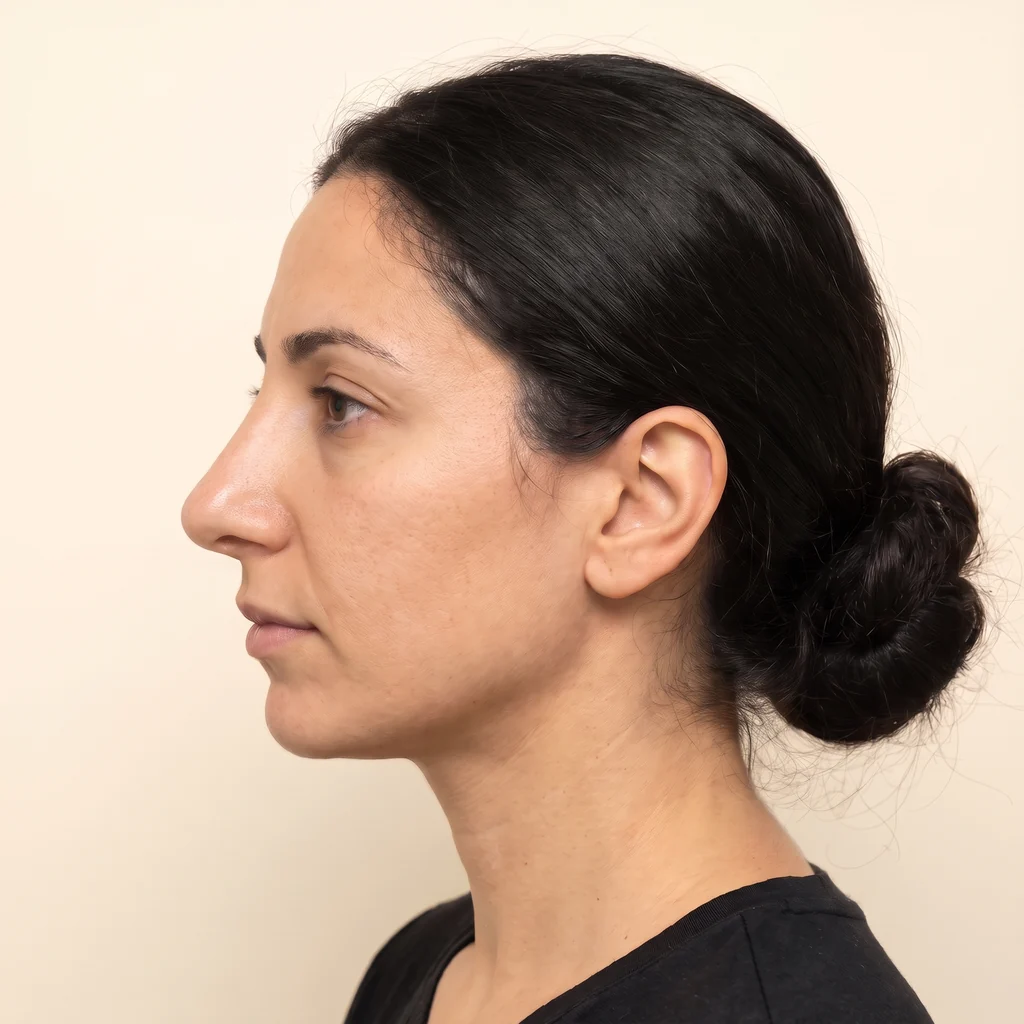
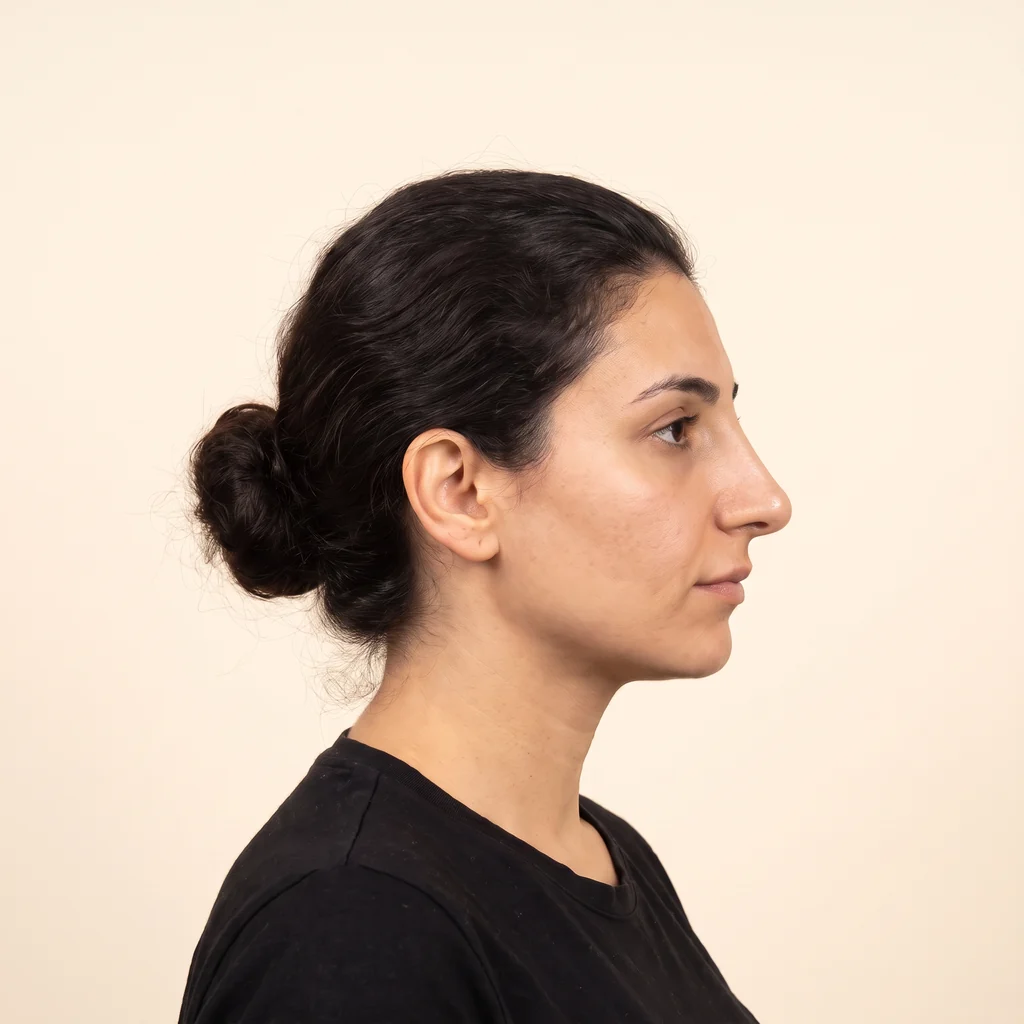
Cheek implant surgery, or augmentation malarplasty, aims to give greater contour and projection to the midface. It is intended for people whose cheekbones are naturally flat or not very prominent, or who have lost support with age. The implants, made of medical-grade silicone, are chosen in shape and size according to the anatomy and the desired result, then placed against the bone. Unlike fat grafting, which restores soft-tissue volume, an implant provides stable, structured projection. This procedure can be combined with a genioplasty or rhinoplasty to harmonise the face as a whole.
What the procedure can correct
- Flat or barely prominent cheekbones
- Midface lacking contour
- Face considered too flat from the front or in profile
- Asymmetric cheekbones
- Loss of cheek support with age
The ideal candidate
An adult in good health, whose facial growth is complete, with insufficient cheekbone projection. Good oral health is necessary when the approach through the mouth is used, and stopping smoking is recommended. The surgeon will discuss with you the merits of an implant versus fat grafting according to your anatomy.
The technique
The procedure is performed under general anaesthesia. The implant is most often inserted through an incision inside the mouth, in the groove above the upper gum, or sometimes through an incision in the lower eyelid. The surgeon creates a precise pocket against the cheekbone, positions the implant symmetrically and may secure it with a screw or suture. The incisions are closed with dissolvable stitches, and an adhesive dressing may support the area for a few days.
Your stay, step by step
- 1
Arrival and consultation
Welcome by your coordinator, examination and pre-operative consultation with the practitioner, who confirms the treatment plan.
- 2
Procedure
General · 1–2 h
- 3
Monitoring in the clinic
Hospital stay: Day case or 1 night. The care team looks after your comfort and post-operative monitoring.
- 4
Check-up before departure
Follow-up visit, care, instructions and prescription before your flight home. Recommended stay: 7–8 days.
- 5
Remote follow-up
Back home, you send your photos and stay in touch with the practitioner through your patient area, for up to 12 months.
Risks and recovery
Swelling of the cheeks and lower eyelid, bruising and some discomfort when smiling or chewing are usual at first; temporary numbness of the cheek or upper lip is possible. Less commonly: infection that may require removal of the implant, displacement or asymmetry, haematoma, the implant being felt to the touch or injury to the infraorbital nerve. Your surgeon will explain these in detail during the consultation.
The information on this page is provided for guidance only and does not replace a medical consultation. Every procedure carries risks; the indication is made by the practitioner after examination, and results vary from person to person.
Frequently asked questions
Are the implants visible or palpable?
Placed against the bone and beneath the tissues, they cannot be seen and are generally barely perceptible to the touch. Their edges may, however, be felt in people with thin skin.
Are the implants permanent?
They are designed to remain in place long term and do not need to be replaced routinely. They can nevertheless be removed or changed if necessary.
What precautions should I take after the procedure?
A soft diet, mouthwashes and sleeping with your head raised are advised for the first few days. Pressure on the cheeks and contact sports should be avoided for several weeks.