Medical description
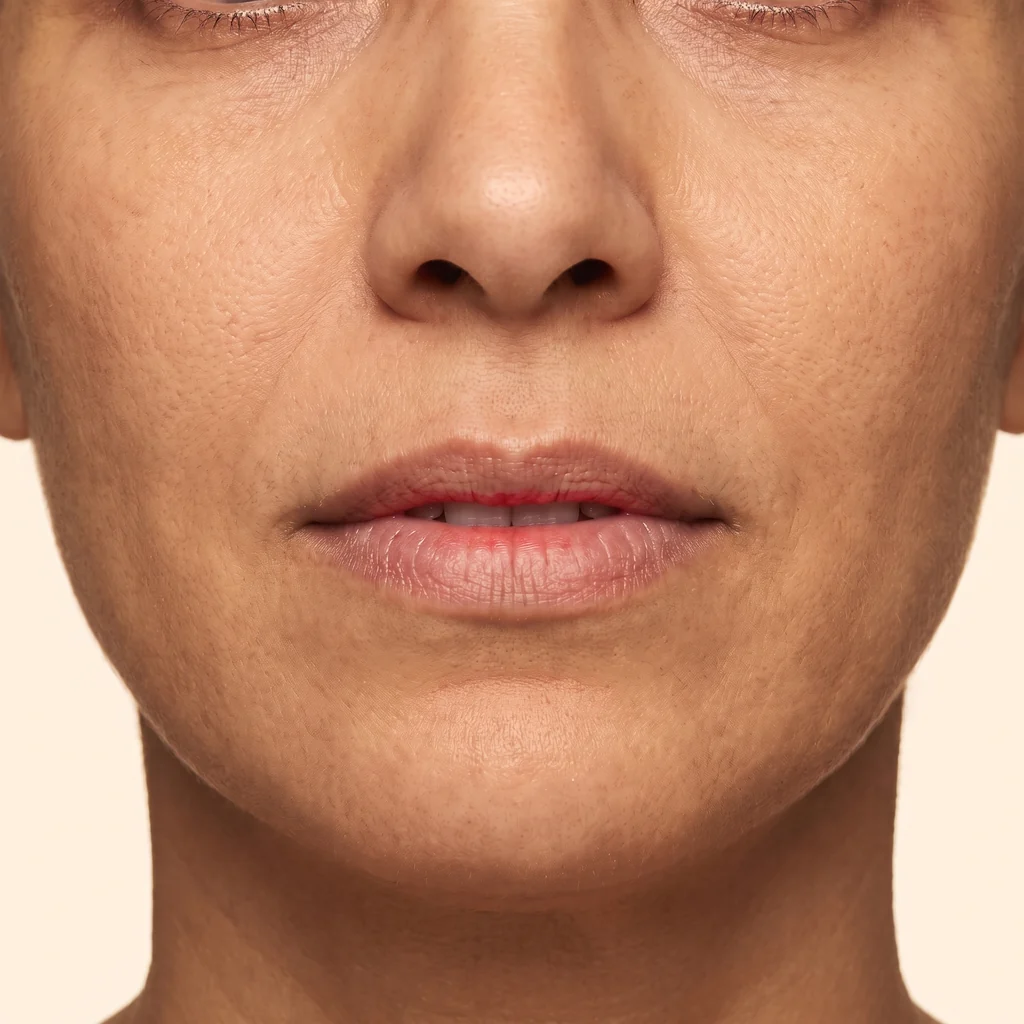
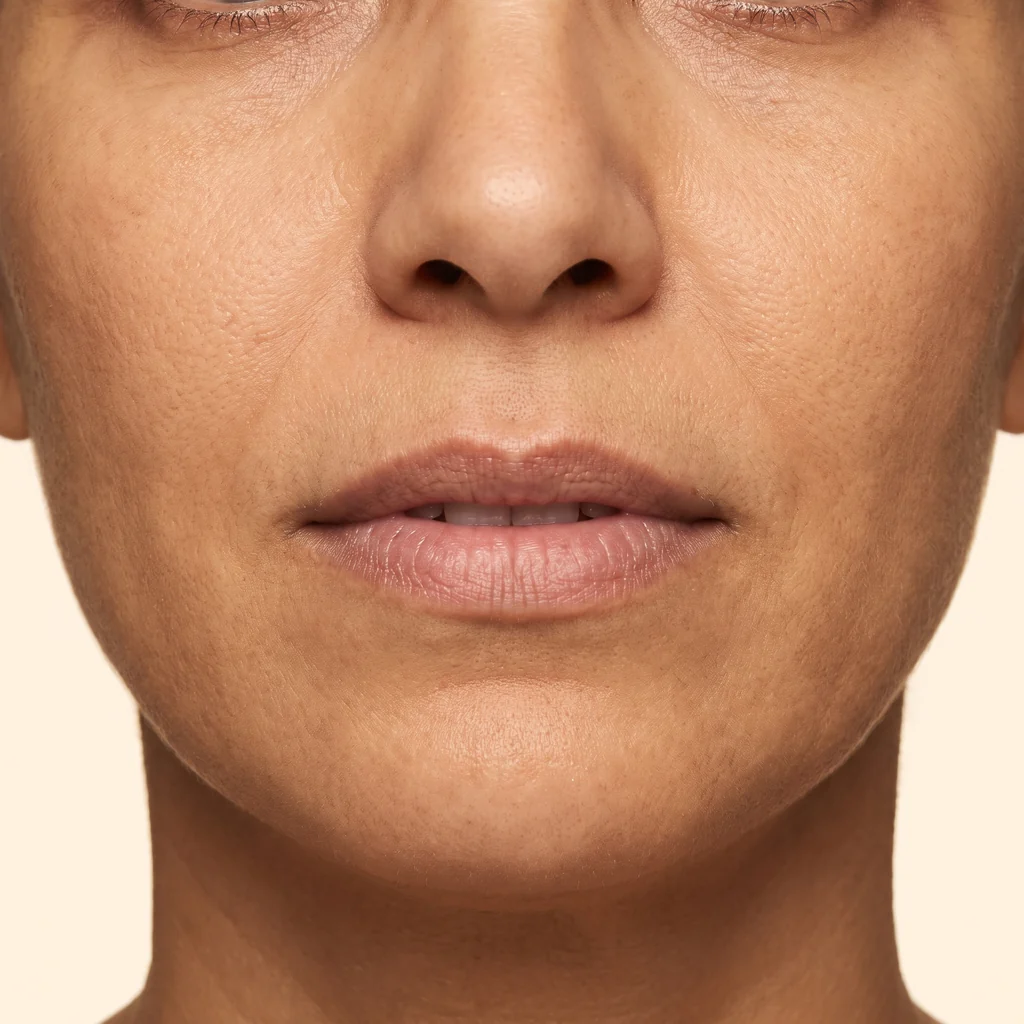
The lip lift, or upper lip lift, shortens the distance between the base of the nose and the edge of the lip, known as the philtrum. With age, or by nature, this area can lengthen: the upper lip appears thin and drooping, and the upper teeth become barely visible at rest. By removing a thin strip of skin beneath the nose, the procedure lifts the lip, increases the visible red part and restores a slight upturn. Unlike hyaluronic acid injections, which add volume, the lip lift changes the proportions of the lip in a lasting way.
What the procedure can correct
- Space between nose and lip that is too long
- Thin or drooping upper lip
- Upper teeth barely visible at rest
- Aged, flattened lip
- Lack of definition of the Cupid's bow
The ideal candidate
A person with a long philtrum, whether natural or age-related, who would like a more lifted upper lip without relying on repeated injections. Good-quality skin, stopping smoking and realistic expectations are important, as the scar remains a factor to take into account. The surgeon measures the proportions of the lip and smile to determine how much skin to remove.
The technique
The procedure is performed under local anaesthesia, as a day case. The incision, shaped like a bull's horn (known as a bullhorn incision), follows the base of the nose and the contour of the nostrils, so as to conceal the scar in the natural shadow of this area. The surgeon removes a custom-calculated strip of skin, then closes in several layers to limit tension on the scar. The stitches are removed after a few days.
Your stay, step by step
- 1
Arrival and consultation
Welcome by your coordinator, examination and pre-operative consultation with the practitioner, who confirms the treatment plan.
- 2
Procedure
Local · 1 h
- 3
Back to the hotel
Day-case treatment: you return to your hotel the same day, accompanied.
- 4
Check-up before departure
Follow-up visit, care, instructions and prescription before your flight home. Recommended stay: 5–7 days.
- 5
Remote follow-up
Back home, you send your photos and stay in touch with the practitioner through your patient area, for up to 12 months.
Risks and recovery
Swelling of the lip, a feeling of stiffness and some difficulty smiling are usual in the first few days. Less commonly: a visible, widened or thickened scar, asymmetry, under- or over-correction, infection or a change in the shape of the nostrils. Your surgeon will explain these in detail during the consultation.
The information on this page is provided for guidance only and does not replace a medical consultation. Every procedure carries risks; the indication is made by the practitioner after examination, and results vary from person to person.
Frequently asked questions
Will the scar be visible?
It is placed at the base of the nose, in a natural fold, and generally becomes discreet after several months. It may remain pinkish for a while and can easily be concealed with light make-up.
How does it differ from lip injections?
Injections add volume temporarily, whereas the lip lift shortens and lifts the lip permanently. The two approaches can sometimes complement each other.
When will I be able to resume my social life?
Once the stitches are removed, the swelling decreases quickly and most patients return to a normal social life. The lip may, however, feel a little stiff for a few weeks.