Medical description
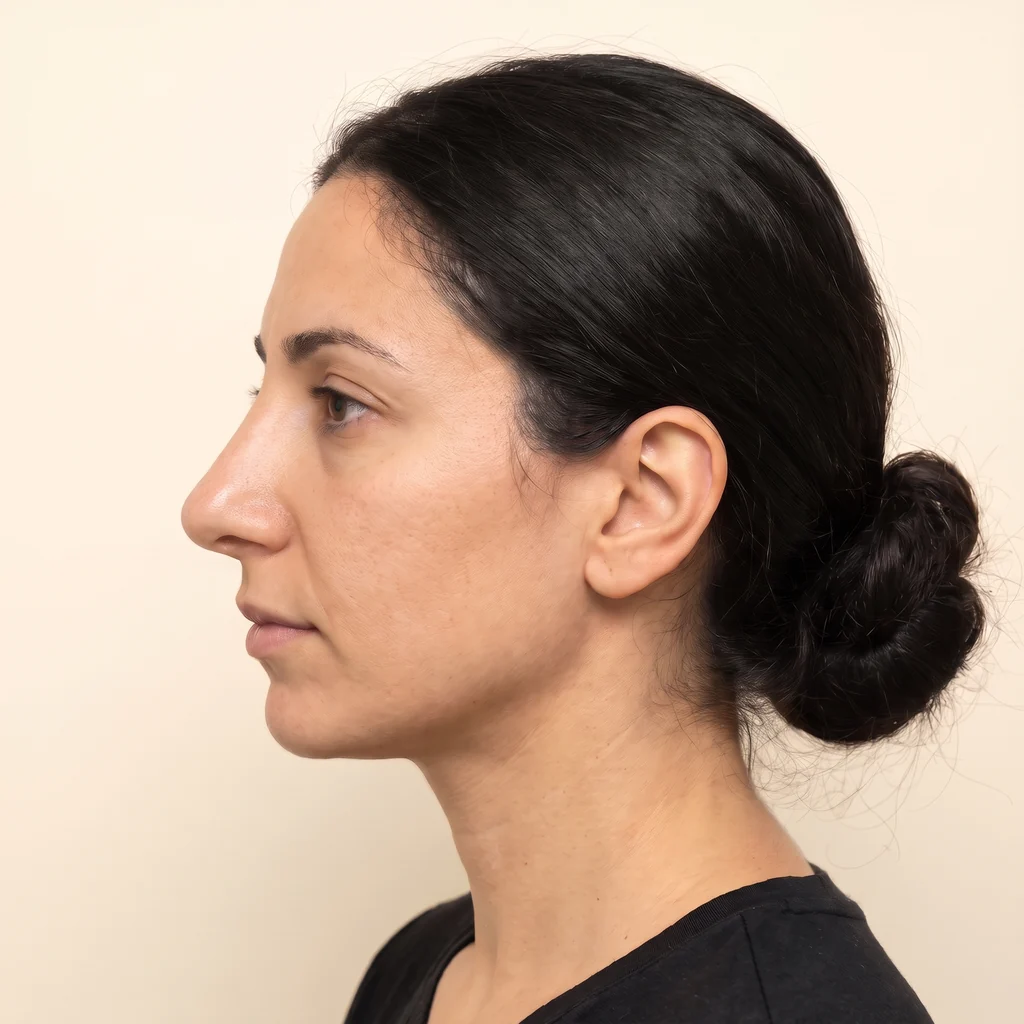
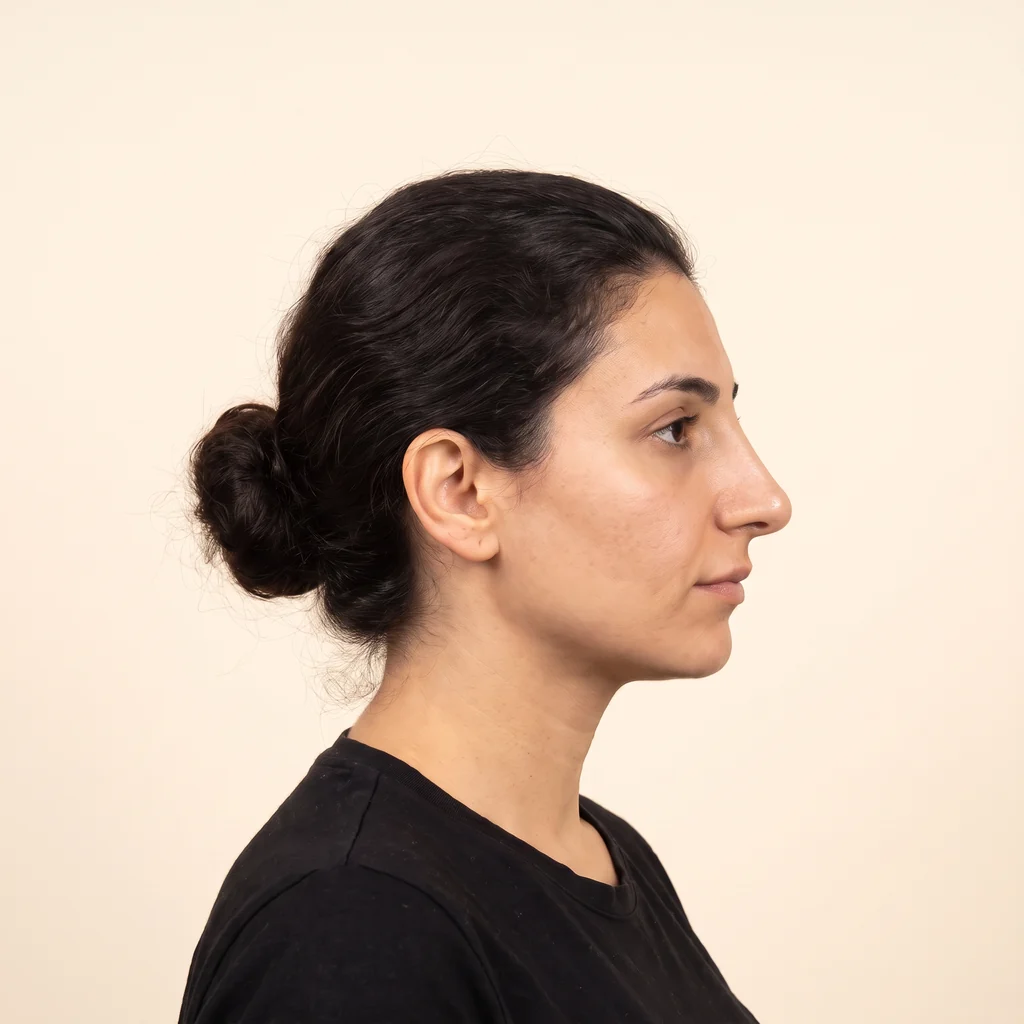
Ultrasonic rhinoplasty, or piezo rhinoplasty, pursues the same goals as conventional rhinoplasty: correcting a bump, refining the bony pyramid and reshaping the tip. What sets it apart is the instrument used to work on the bone: a piezoelectric device emits ultrasonic vibrations that cut and sculpt the bone selectively, largely sparing the soft tissue, blood vessels and mucosa. This precision generally allows finer bone reshaping and may reduce the extent of bruising and swelling in the first few days. Work on the cartilage, however, remains comparable to that of a conventional rhinoplasty.
What the procedure can correct
- Bony bump on the bridge of the nose
- Wide or asymmetric bony pyramid
- Wide or poorly defined tip
- Visible deviation of the bony part of the nose
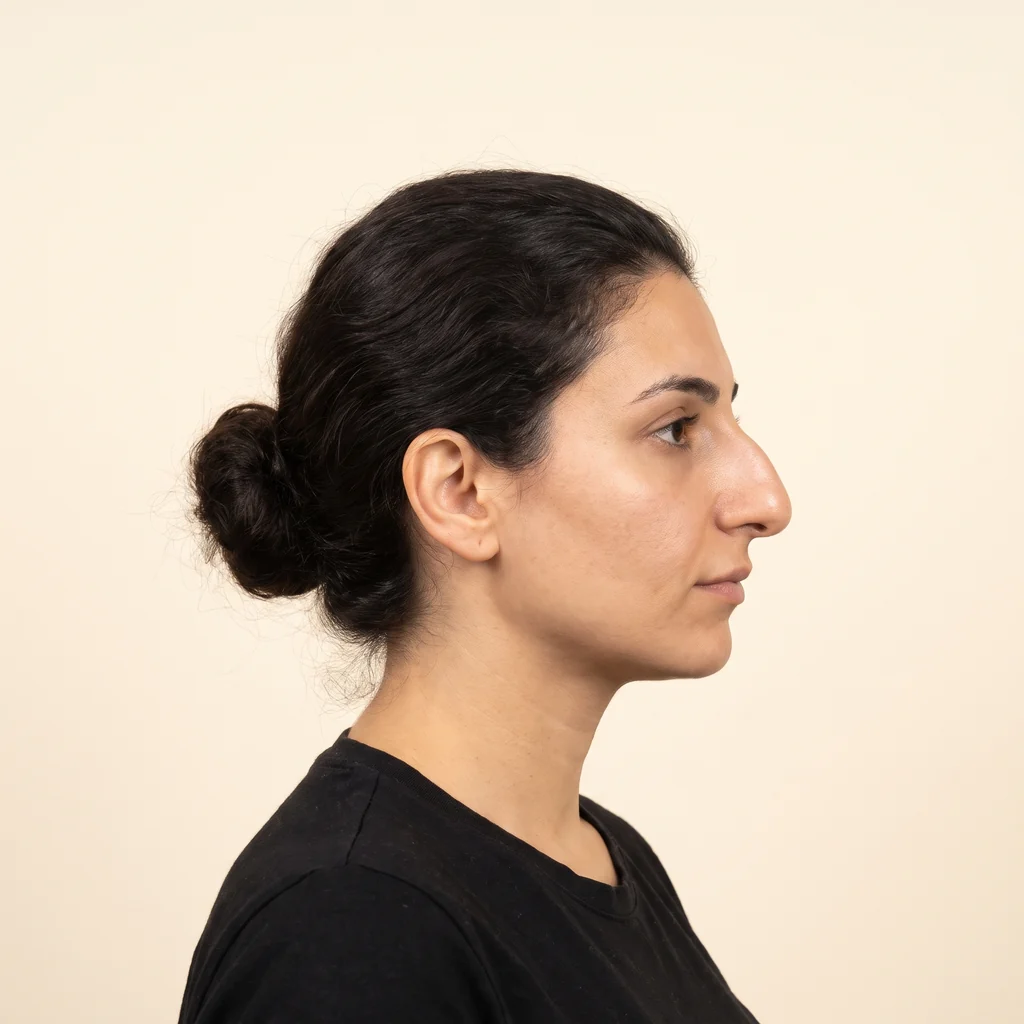
- Unbalanced nasal profile
The ideal candidate
It is particularly suitable for patients whose correction mainly concerns the bony part of the nose: a pronounced bump, or wide or asymmetric bones. As with any rhinoplasty, facial growth must be complete and expectations realistic. After examination, the surgeon determines whether the ultrasonic technique is best suited to your anatomy.
The technique
The procedure is performed under general anaesthesia, most often using an open approach to give wide access to the bony framework. The piezoelectric inserts are used to file, sculpt and perform the osteotomies under direct vision, in place of the rasp and osteotome. The tip cartilages are then reshaped and sutured, and the small incision on the columella is closed. A splint is placed on the nose for a few days.
Your stay, step by step
- 1
Arrival and consultation
Welcome by your coordinator, examination and pre-operative consultation with the practitioner, who confirms the treatment plan.
- 2
Procedure
General · 2–3 h
- 3
Monitoring in the clinic
Hospital stay: Day case or 1 night. The care team looks after your comfort and post-operative monitoring.
- 4
Check-up before departure
Follow-up visit, care, instructions and prescription before your flight home. Recommended stay: 7–8 days.
- 5
Remote follow-up
Back home, you send your photos and stay in touch with the practitioner through your patient area, for up to 12 months.
Risks and recovery
Swelling and bruising are still possible but are often more limited than with a conventional technique; a blocked-nose sensation is usual at first. As with any rhinoplasty, bleeding, infection, irregularity, residual asymmetry or breathing difficulty may occur less commonly, sometimes requiring a revision. Your surgeon will explain these in detail during the consultation.
The information on this page is provided for guidance only and does not replace a medical consultation. Every procedure carries risks; the indication is made by the practitioner after examination, and results vary from person to person.
Frequently asked questions
How does it differ from a conventional rhinoplasty?
The goals are the same; only the way the bone is worked changes, using ultrasound rather than mechanical instruments. This more selective technique aims for greater precision and an often easier recovery.
Does the final result appear sooner?
The first few weeks are generally more comfortable, but the skin and the tip of the nose take the same time to settle. As with any rhinoplasty, the final result can therefore only be assessed after many months.
Can every rhinoplasty be performed with ultrasound?
No: when the correction mainly concerns the tip or the cartilage, the benefit of ultrasound is limited. Your surgeon chooses the technique according to your anatomy and your goals.