Medical description
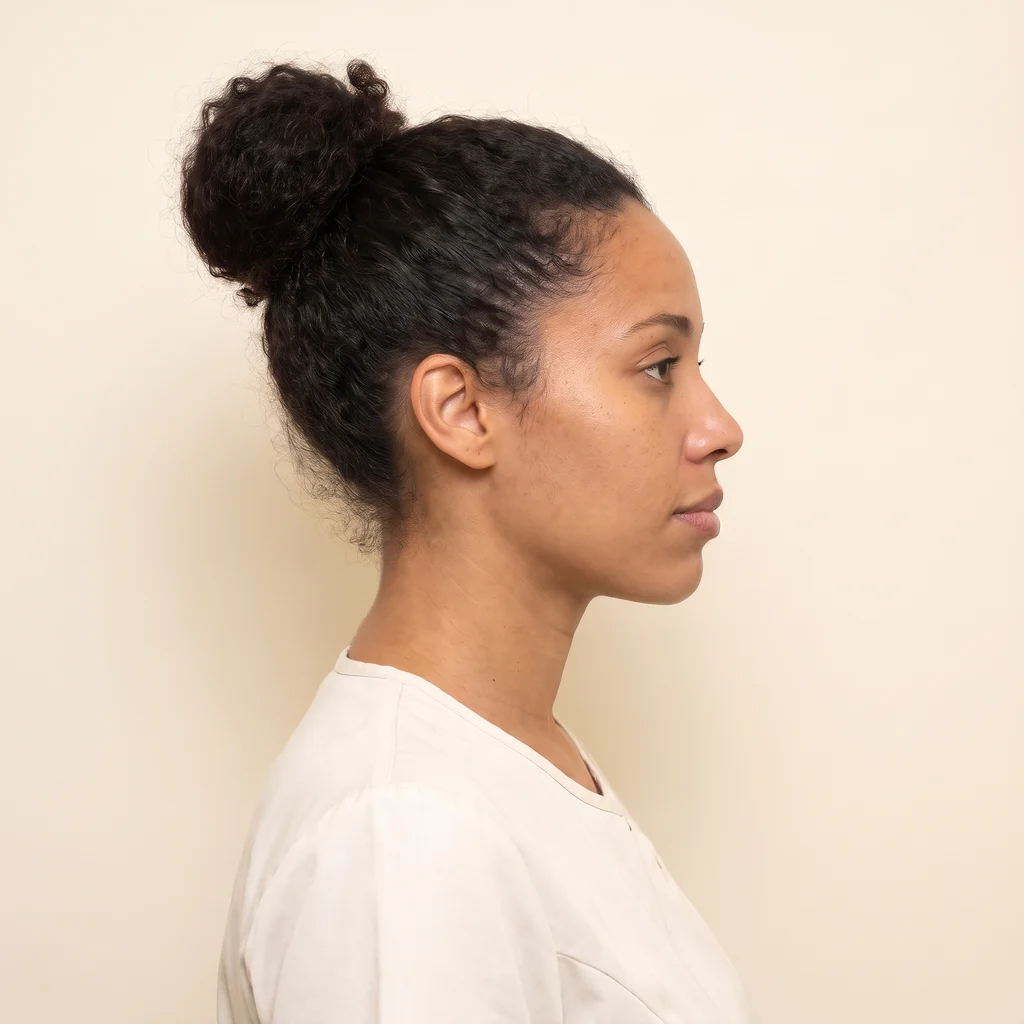
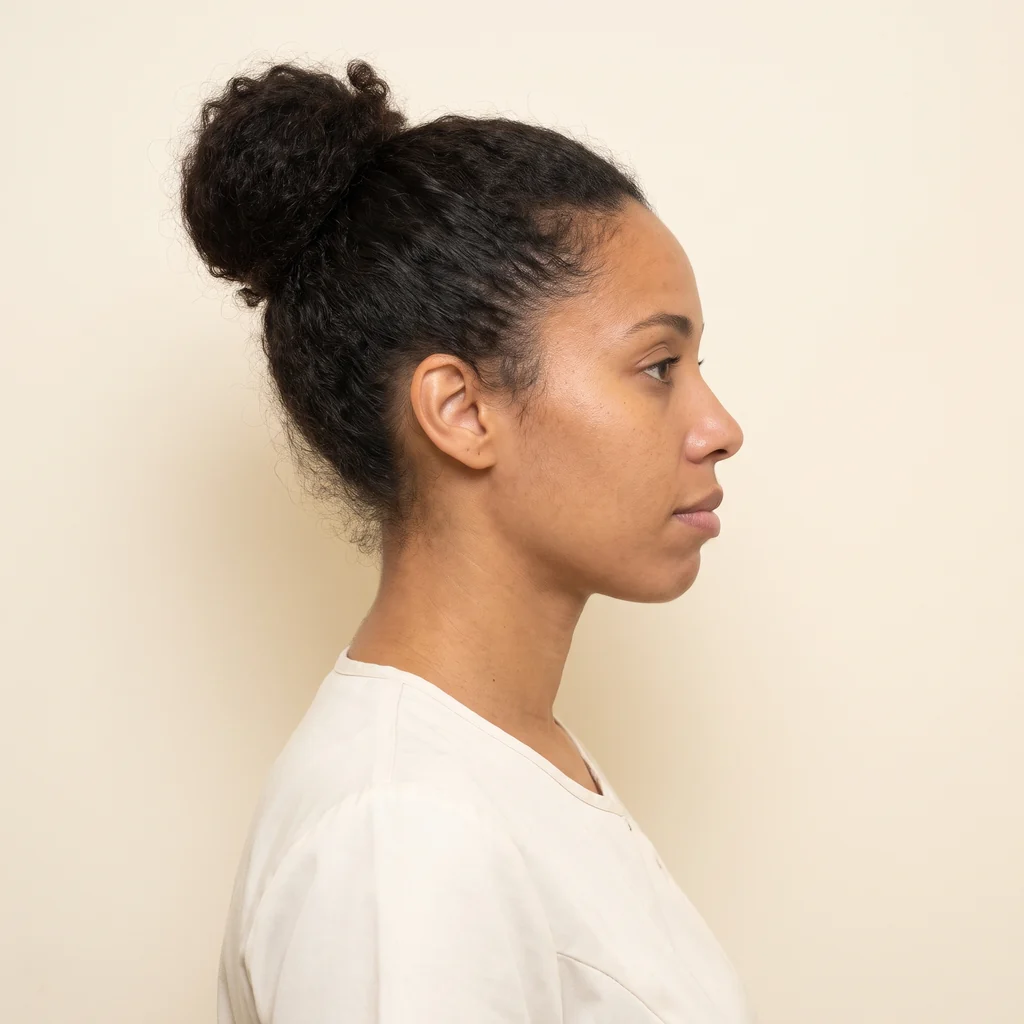
Genioplasty is surgery of the chin. It aims to correct a chin that is receding, too prominent, too long, too short or asymmetric, in order to balance the profile with the nose and lips. There are two main approaches: sliding (bony) genioplasty, in which the lower part of the jawbone is cut and moved forwards, backwards, upwards or sideways, and implant genioplasty, which increases projection by means of an implant placed on the bone. The bony technique offers more scope for correction and uses the patient's own tissue. It is frequently combined with a rhinoplasty for a harmonious profileplasty.
What the procedure can correct
- Receding or weak chin
- Overly prominent chin
- Chin that is too tall or too short
- Asymmetric chin
- Unbalanced profile between nose, lips and chin
The ideal candidate
An adult whose bone growth is complete, with a satisfactory dental bite or one that has already been treated. When the chin defect is accompanied by a misalignment of the jaws, orthognathic surgery may be more appropriate, which the surgeon assesses with X-ray imaging. Good oral health and stopping smoking are recommended.
The technique
The procedure is performed under general anaesthesia, through an incision inside the mouth, in the groove between the lower lip and the gum, leaving no visible scar. For a bony genioplasty, the surgeon performs an osteotomy of the chin, repositions it according to the plan and secures it with small titanium plates and screws. For an implant genioplasty, a suitable implant is placed against the bone and stabilised. The lining of the mouth is closed with dissolvable stitches, and an adhesive dressing supports the chin for a few days.
Your stay, step by step
- 1
Arrival and consultation
Welcome by your coordinator, examination and pre-operative consultation with the practitioner, who confirms the treatment plan.
- 2
Procedure
General · 1–2 h
- 3
Monitoring in the clinic
Hospital stay: Day case or 1 night. The care team looks after your comfort and post-operative monitoring.
- 4
Check-up before departure
Follow-up visit, care, instructions and prescription before your flight home. Recommended stay: 6–8 days.
- 5
Remote follow-up
Back home, you send your photos and stay in touch with the practitioner through your patient area, for up to 12 months.
Risks and recovery
Swelling of the chin and lower lip, bruising and discomfort when chewing are usual at first; numbness of the lower lip and chin is common and generally subsides within a few weeks to a few months. Less commonly: infection, haematoma, asymmetry, displacement of the implant, irregularity of the bone contour or persistent changes in sensation. Your surgeon will explain these in detail during the consultation.
The information on this page is provided for guidance only and does not replace a medical consultation. Every procedure carries risks; the indication is made by the practitioner after examination, and results vary from person to person.
Frequently asked questions
Implant or bony genioplasty: which should I choose?
An implant is mainly suited to moderate increases in projection; bony genioplasty can also correct height, retrusion or asymmetry. Your surgeon will recommend the most suitable technique after analysing your profile and X-rays.
Will I be able to eat normally?
A soft diet is advised for the first few days, with rigorous oral hygiene using mouthwashes. A normal diet is resumed gradually, according to your surgeon's instructions.
Can it be combined with a rhinoplasty?
Yes, this is a common combination, as the nose and chin balance each other in the profile. Both procedures can be performed under the same anaesthetic if your surgeon considers it appropriate.